
|
I'm incredibly lucky to live in one of the wildest corners of the UK, with a wealth of wildlife which is now sadly absent from much of the rest of the UK. In winter, the Cairngorms can become a true sub-Arctic habitat with heavy snow fall and freezing conditions. This January, we were treated to some fantastic, wintry conditions, and with that in mind, I decided to head out in search of the mountain hares which call this landscape home. I left my house before dawn, driving up to a spot where I know the hares are present. The road conditions were a little challenging, but I made it safely to the spot I usually park and started to cross the deep snow on the valley floor and headed for the hills. I was the only person who seemed to reach the spot and I had the mountains to myself. It was absolutely magical.  As I climbed higher into the white hills, I started to see more and more evidence of my target species - the mountain hares. Tracks went back and forth across the snow, with bright sunshine illuminating the landscape all around. Strong winds had led to some incredibly deep drifts, in between patches of wind-swept moorland, so the going was particularly challenging. However, this just made the day all the more enjoyable.  I was getting close. Finding more and more fresh tracks the higher I climbed, I started to see distant hares darting across the hillside. It was then that I found a couple of hares with which I spent the next three hours. It was well below freezing, but with the right kit and the mild rays of the winter sun, I was in heaven. To start with, the sun was still below the hilltops, and so I was photographing in shadow.   The first hare was an absolute star. Moving around and chasing off another hare, before returning to its form. However, I decided that it was best to leave it in peace as I didn't want to obstruct it or disturb it from feeding in these freezing conditions.  While I was photographing the second hare, the light was constantly changing, with moments of light cloud cover, followed by bright sunshine. It made everything a little more challenging, but ultimately it gave me a variety of photographic opportunities.    If you would like to join me and photograph the mountain hares, do get in touch via the contact page. I'd be delighted to help you capture some stunning images of these enigmatic mammals.
1 Comment
Back in August 2025, I set out on a mission to photograph the Chinese water deer found in Norfolk. I spent a few days searching for them, with the simple mission of capturing some stunning imagery of these small deer. However, what I didn't realise, was that despite having some top tips on where to find them, just how tricky they are to find and photograph in summer. Due to their small stature (an understatement), and the tall vegetation, these elusive mammals are even harder to find than you'd expect. After a couple of days of repeated failure, I had all but given up hope. I pulled up in a lay-by, pretty much in despair. It was then that I saw some movement in the field in front of me. I couldn't believe my eyes. There, in front of me, was a Chinese water deer.     As you can see, after all my patience, I was eventually rewarded with some stunning photography. The highlight, except for some incredibly close encounters, was when the trio of deer above stood in the road and watched a pheasant cross the road. This gave a true sense of just how small the deer actually are. \
You'll have to keep your eyes peeled for the final project that these images are going towards. This year, with travel options limited, I was asked once again by Wildife Worldwide to lead dedicated deer photography workshops in the heart of the New Forest. With permission from Forestry England, I led a number of workshops alongside Ben Sutcliffe. We had some crazy weather, but some great deer encounters with the red deer during the rut. Unlike the deer parks of London, these deer are completely wild and it takes patience to slowly make an approach. The key thing is to ensure that you don't sneak up on them and that they know where you are, while also being aware of the wind direction. Anyway, here are just a few shots from my time in the forest. 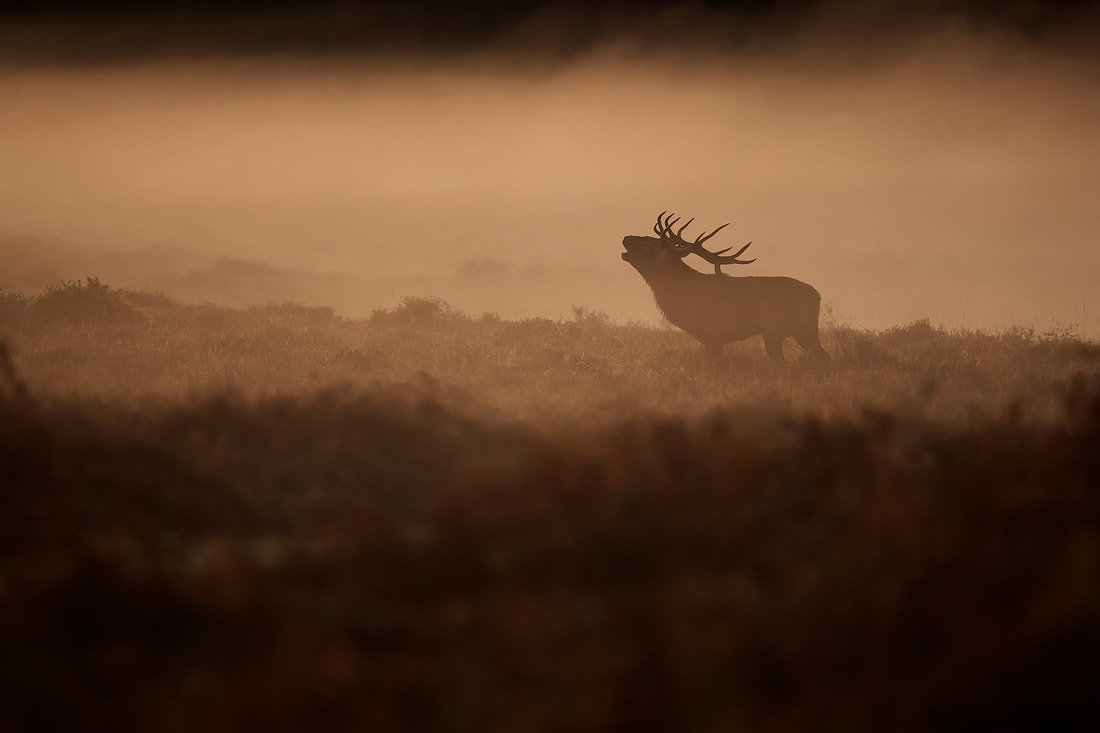 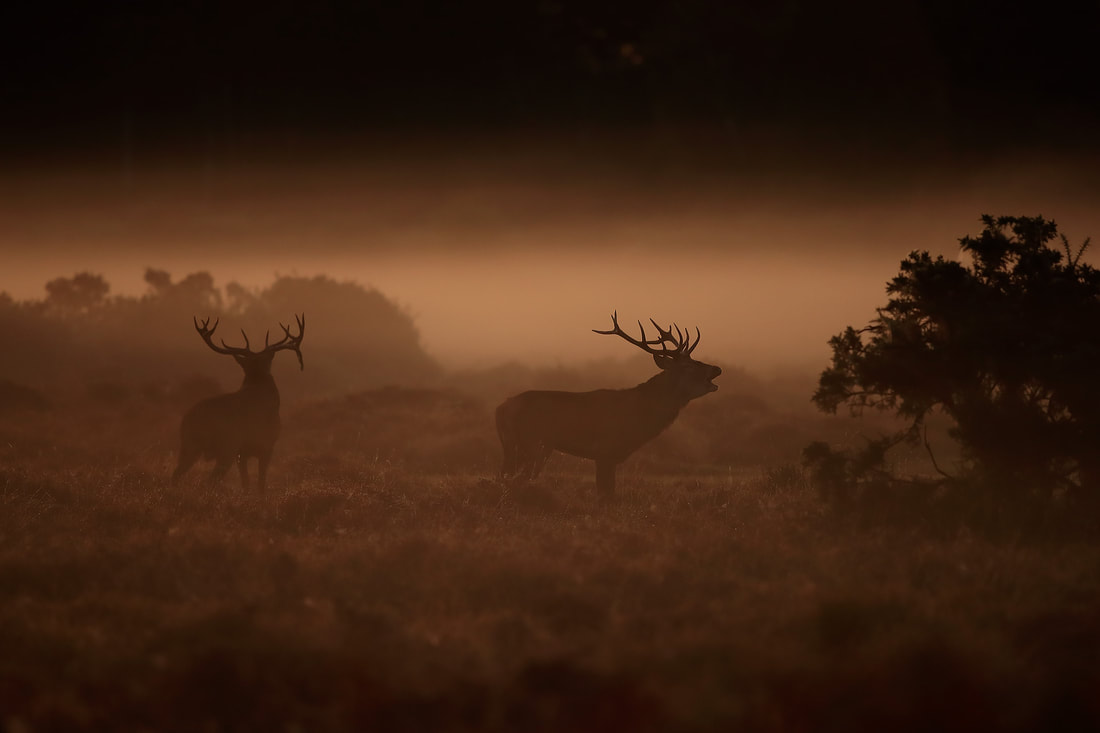 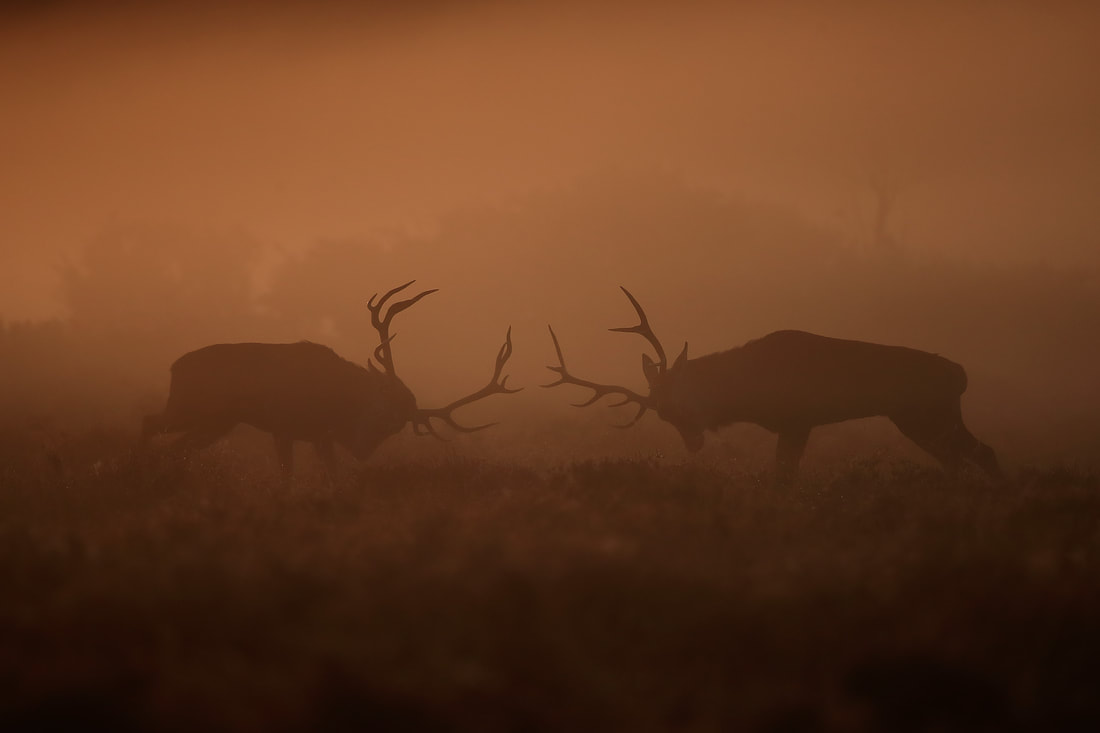 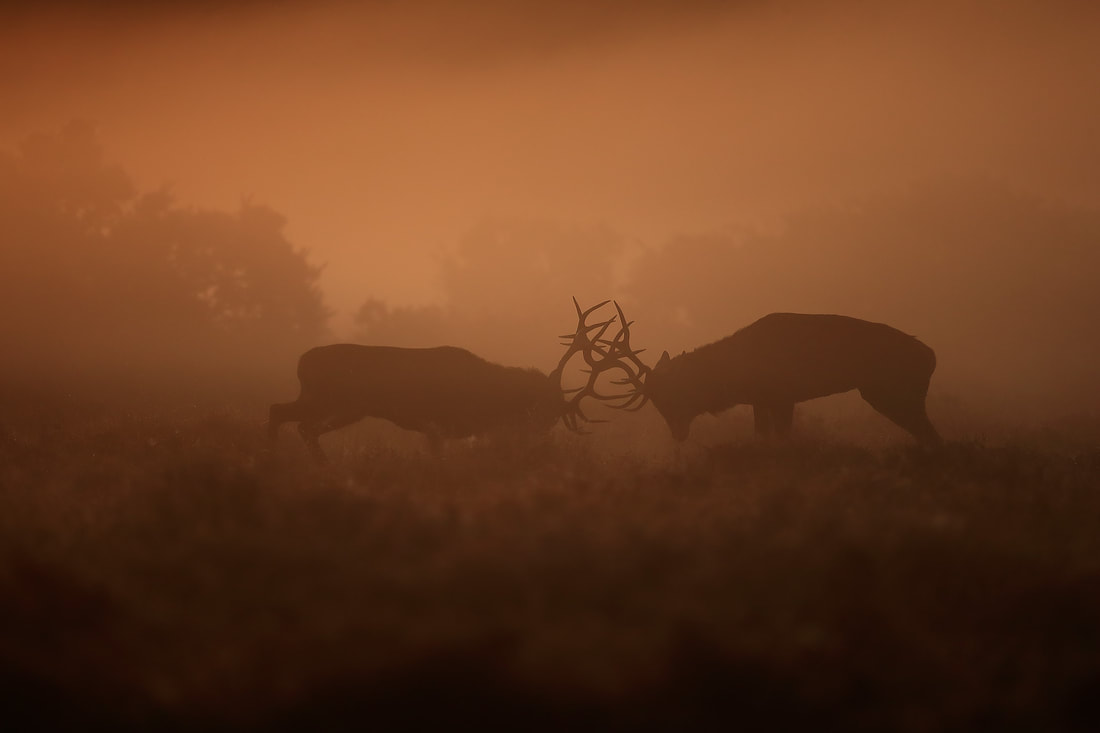 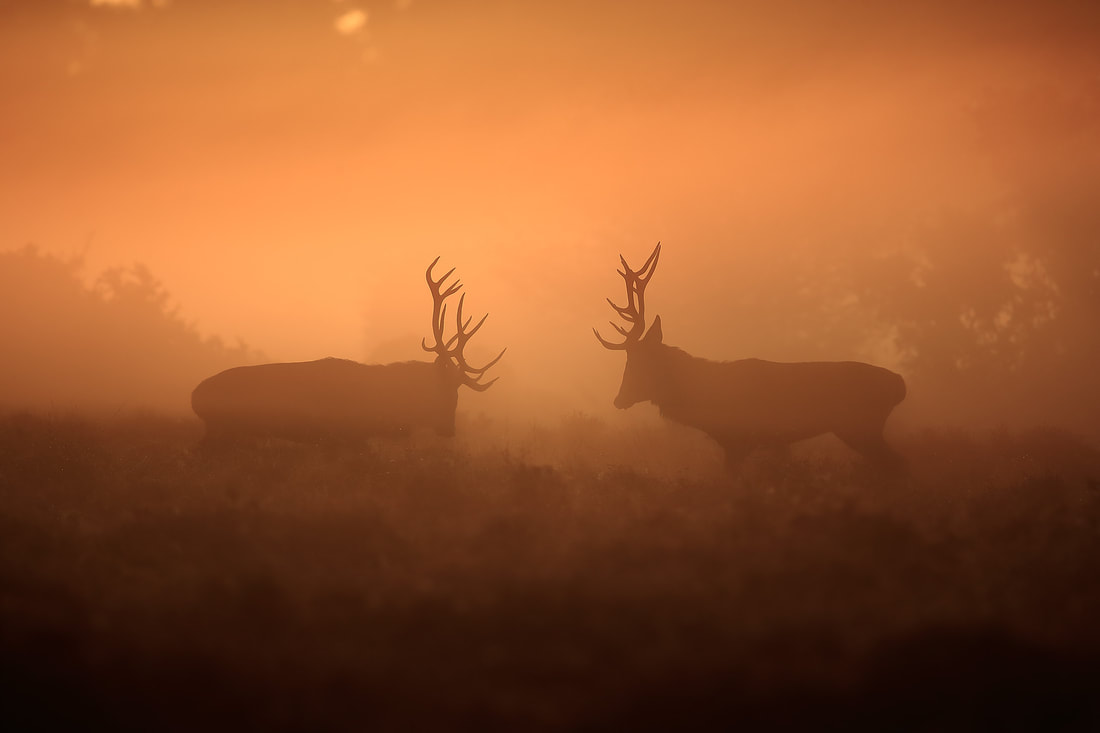 After some incredible misty action, we were treated to incredible evening action too. It is fabulous to witness this behaviour and enjoy the most remarkable lighting - combine that with a mist and you can't really get it any better. 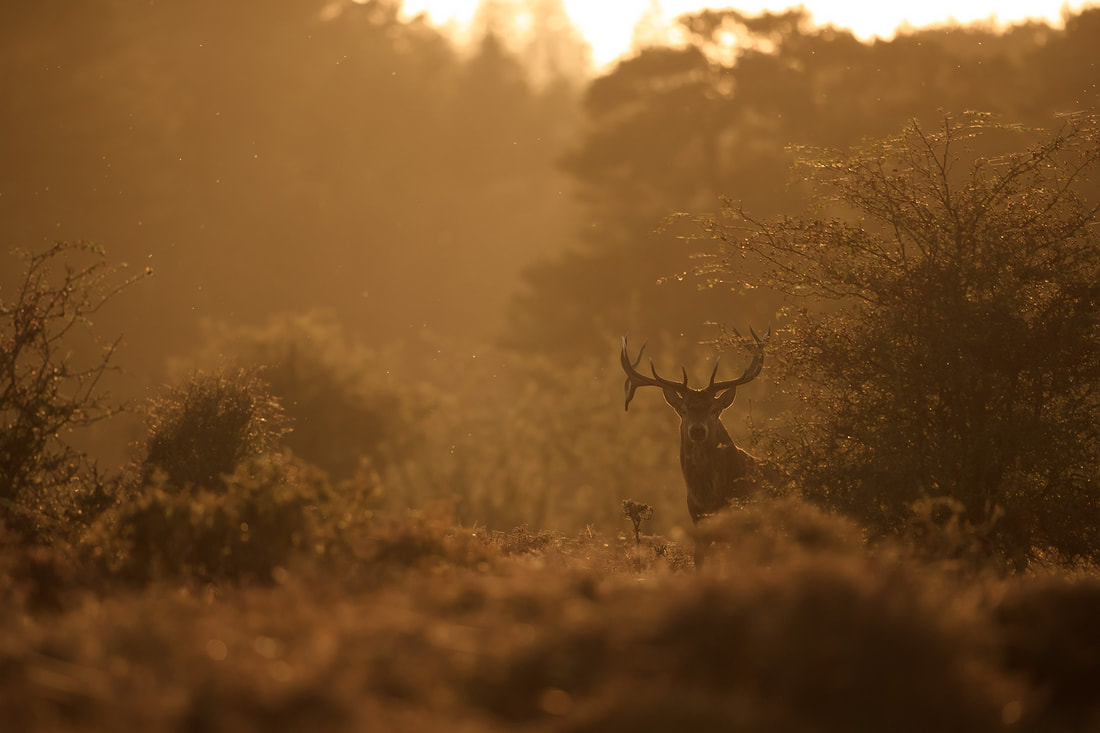 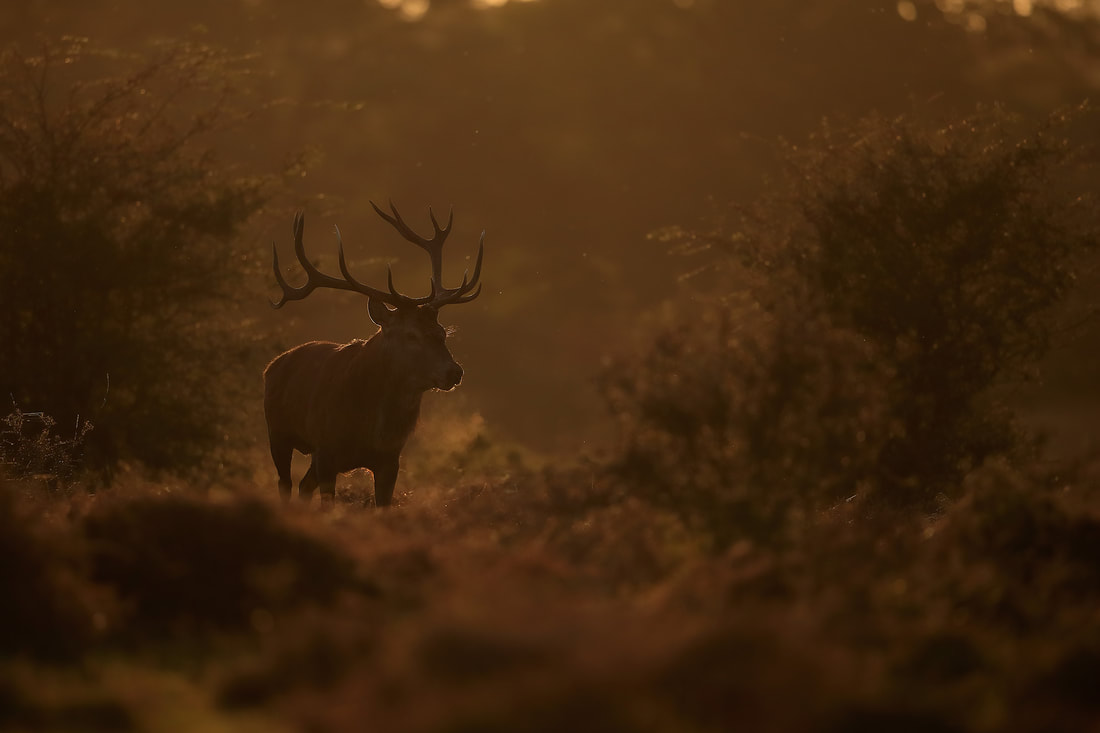 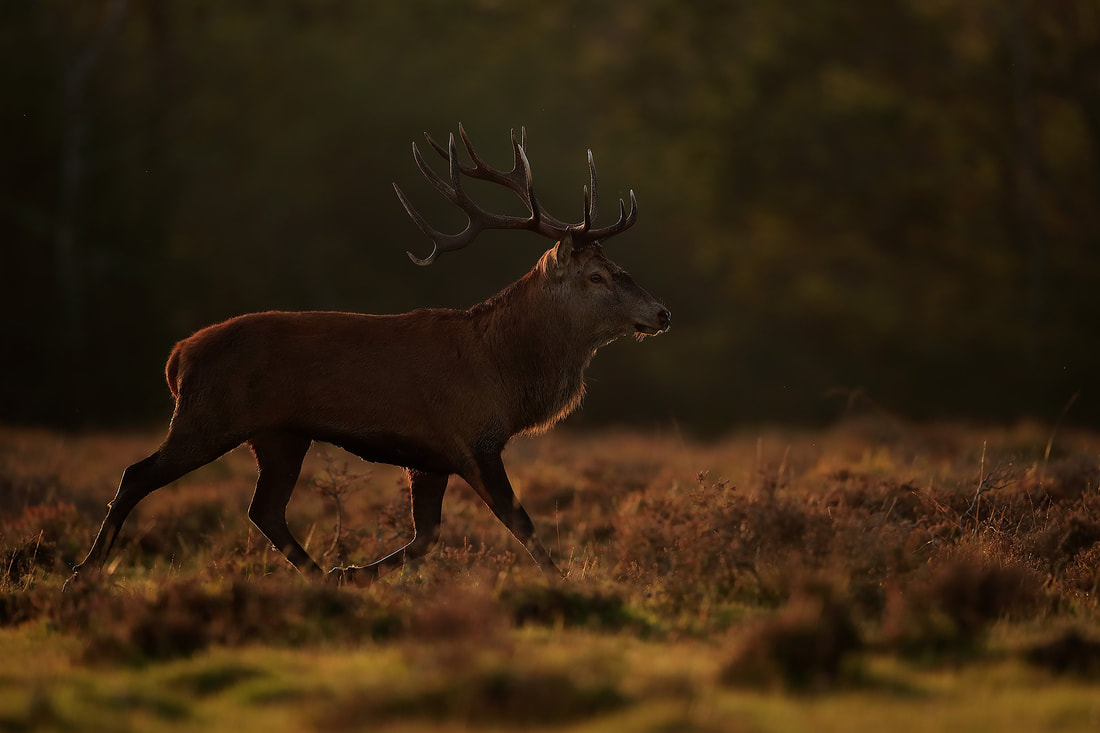 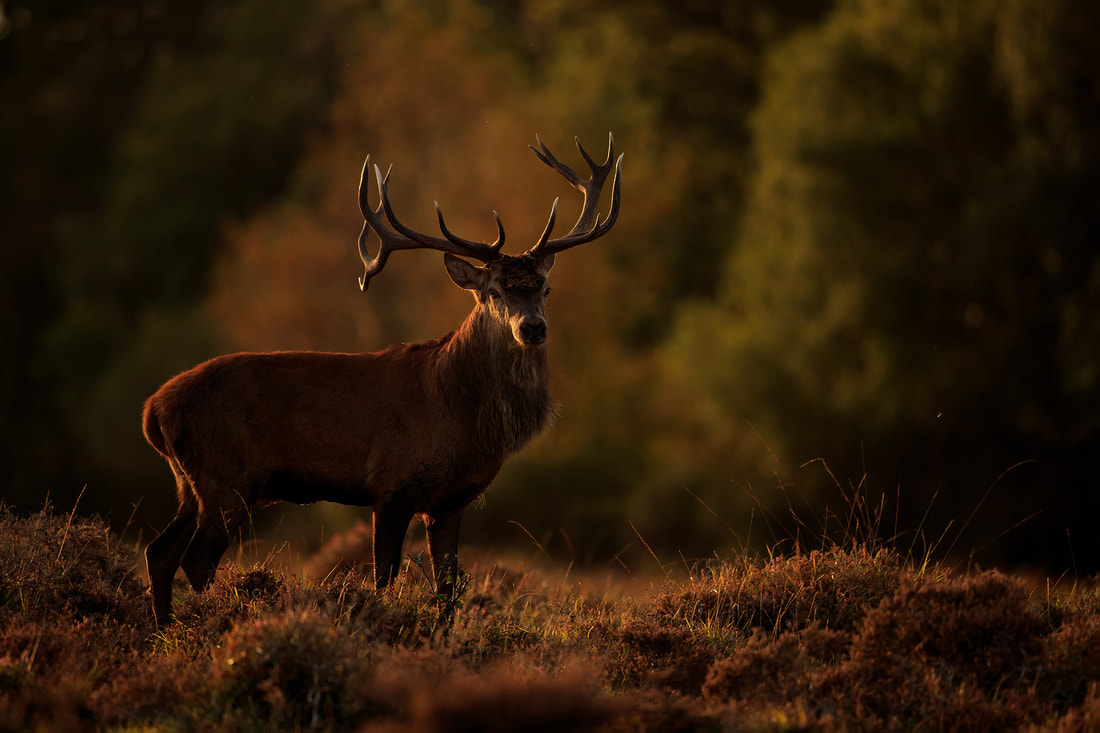 It was an absolute honour to lead a number of workshops and I was delighted for the clients who got some brilliant images.
We hope to run some more workshops in 2022, but it will depend on my availability. Please get in touch if you want to find out more. With Covid-19 restrictions still in place across the world during the late autumn, there was only one thing to do - explore the ancient landscapes of the New Forest in search of deer. This former royal hunting ground is home to wild herds of red and fallow deer (as well as sika around the Bealieu area) and if you know where to look you can capture some stunning imagery. Deer are notoriously skittish and it is essential to keep your distance and let the deer come to you. If you try and follow deer, you will only spook them. Most of these images were taken when I was on my own, but a couple were taken while leading workshops for Wildlife Worldwide.     There are only around 150 red deer in the New Forest and their population is strictly controlled by the national park authority, so it is always worth keeping your eyes peeled for the fallow deer if the reds manage to elude you.    If you would like to join me on a dedicated deer photography workshop in 2021, please contact me for more information.
|