
|
I am very lucky to have been to Svalbard several times. What an incredible wilderness and a must for anyone with a passion for rugged landscapes and epic wildlife. For many, the biggest draw of this remote, Arctic archipelago is the polar bear, but there is always so much more to enjoy. With that in mind, I was incredibly fortunate to be the photographic leader aboard the MS Stockholm for Wildlife Worldwide’s chartered voyage at the start of May 2024. This remarkable small ship, built in 1953, is a charming and incredibly capable vessel, perfect for an expedition into this icy realm. I met up with the group in either Oslo, or Longyearbyen, before we boarded the Stockholm for the most incredible week of photography. We left the pontoon and were soon on our way out of Isfjorden, enjoying our first meal onboard this historic ship. We awoke to the most magical conditions in Kongsfjorden and set out on a zodiac cruise to really get a feel for the wonders of the Arctic. We saw several different seabird species as well as eiders and common seals. However, the real highlight was being able to get out of the zodiacs and walk on the fast ice – it was absolutely exhilarating. It was just one of those magical days and an experience that few ever get to enjoy.    The next day, we arrived on the edge of the vast expanse of sea ice, sat high above the northern coastline of Spitsbergen (it was unusual for it to be so far north so early, but the winds had broken up the fast ice). We spent a whole day enjoying the vastness of this epic frozen world, but despite our best efforts, we could not find our first polar bear. We saw plenty of tracks, but the bears eluded us. We ended up following the edge of the ice, making it all the way to the northern coastline of Nordaustlandet - the second largest island of the Svalbard archipelago. Very few vessels make it up here this early in the season, so this really was a proper expedition. We were likely to be the most northerly, non-military ship on Earth. The conditions were absolutely sublime.  After such an incredible day and evening, the clients were either heading to bed or relaxing in the lounge, when I spotted something on the horizon. Sat on the bridge with the expedition team, scanning all the while, I spotted a cream shape moving on the edge of an inlet. We went a little closer to see if we could confirm what we hoped it would be. "Polar bear!" went up the call from the Expedition Leader. We stirred those that had gone to their bunks, while the others were already getting their survival suits and lifejackets on. It was time to photograph our first bear of the trip. Within ten minutes everyone was ready, we'd boarded the zodiacs and were approach the bear as it walked along the shoreline. We ensured that we kept our distance, allowing the bear to do its own thing. It was completely relaxed with our presence after initially stopping to work out what we were. Giving it plenty of space, allowed the bear to wander freely.   We decided to move a kilometre or so down the coastline and see if the bear appeared a little closer. He certainly did and it was then we realised a mark on his shoulder was a large wound.  We were treated to some really exceptional views as we always made sure to move ahead, ensuring that we didn't change his behaviour at all.   As you can see, we were blessed with the most remarkable encounter and the photography was out of this world. I'll never get bored of seeing a polar bear in such a beautiful, wild place. Knowing that we had this bear all to ourselves just made it that little bit more special.
Keep you eyes peeled on the next instalment of the blog from this trip. Alternatively, if this has whet your appetite and you want to join me in 2025, then visit the Wildlife Worldwide website and book your place.
0 Comments
I've been travelling to India since 2011, indeed you can even look back at my blog posts from the time (excuse the terrible photography). In that time, the country has completely changed, both for better and for worse. A thriving modern 'democracy', India has developed at a startling speed and domestic tourism has increased a hundred-fold (no bad thing). However, that does mean that many of India's once quiet reserves are now packed with people keen to catch a glimpse of a tiger. Trying to get away from the crowds can be tricky, but Nagarhole is a place where things are a little quieter and the wildlife sightings can be enjoyed that much more. Back in April, I was at the helm for Wildlife Worldwide's Nagarhole Photo Safari once again. This week-long trip is perfect for seeing, and photographing Asian elephant, tiger, leopard, Malabar giant squirrels, a plethora of birds and even sloth bear. There is, of course, so much more on offer, but hopefully that whets your appetite. This little slice of paradise really has become one of my favourite parts of India, and it delivers year on year. I know, I know, you want to see the photos. Our first afternoon rewarded us with two tigers, but alas, the photography opportunities were not really there. The next day though, we were treated to exceptional views of sloth bear in the morning and tiger in the afternoon.    As you can see, it really didn't take long to get fantastic views, as well as some decent photography of some of our target species. We had hoped to have good encounters with Asiatic wild dog. Despite seeing them in the distance, we never got close enough for worthwhile photography opportunities. For the next couple of days, we focused on some of the smaller and less-photographed species that call the park home. That's not to say that we didn't enjoy views of some of the larger things, but it was these alternative species which provided the more rewarding photography.     With such great subjects, the group were rewarded with an amazing portfolio. These 'B-list' species are actually, in my opinion, what makes Nagarhole such a special place to be. So far, we hadn't caught sight of a leopard (something the park is famous for), and so we decided to spend a morning focussing on these elusive cats. We drove along a track, slowly working our way down a hill and scanning every tree along the way. Parking up at the bottom of the hill, our driver Sadiq turned off the engine and we just listened for alarm calls (the best way to find big cats in the dense forests of India). After 10-minutes or so, with no sounds and relaxed chital (spotted deer) all around us, we slowly made our back up the hill. Varun, our guide, suddenly called to stop - there only 25 yards away, sat perfectly in a tree was a gorgeous female leopard. It was a misty morning and the forest had an ethereal feel to it. What an incredible sighting. The photography was just wonderful.   Having already had the most magical of weeks, spoiled rotten with incredible sightings, we decided to spend the last full day focussing on the striped contingent once again. I don't think it matters how many tigers you see in the wild, you always want one more. And so we put in the hours and we were rewarded with one of those dreamy encounters - the hard work paid off.   If you would like to join me in 2025, there are still a couple of spaces remaining. Please contact Wildlife Worldwide to find out more.
One of my favourite places in Africa, are the conservancies which make up the Greater Mara Ecosystem. These large protected areas act as an important buffer to the Maasai Mara National Reserve. Furthermore, they are much quieter than the main reserve and so wildlife encounters are far more enjoyable and the photographic rewards are therefore often of a much higher quality. In January 2024, I was delighted to be at the helm for Wildlife Worldwide's dedicated photography tour to the area. We enjoyed staying in the wonderful Porini camps in Ol Kinyei & Olare Motorogi Conservancies. Our time in Kenya was incredible, despite some unseasonal rains, and we were treated to exceptional views of countless lion, a couple of beautiful cheetah familes, a leopard and a whole host of other incredible species. Here are some of the highlights for you ... 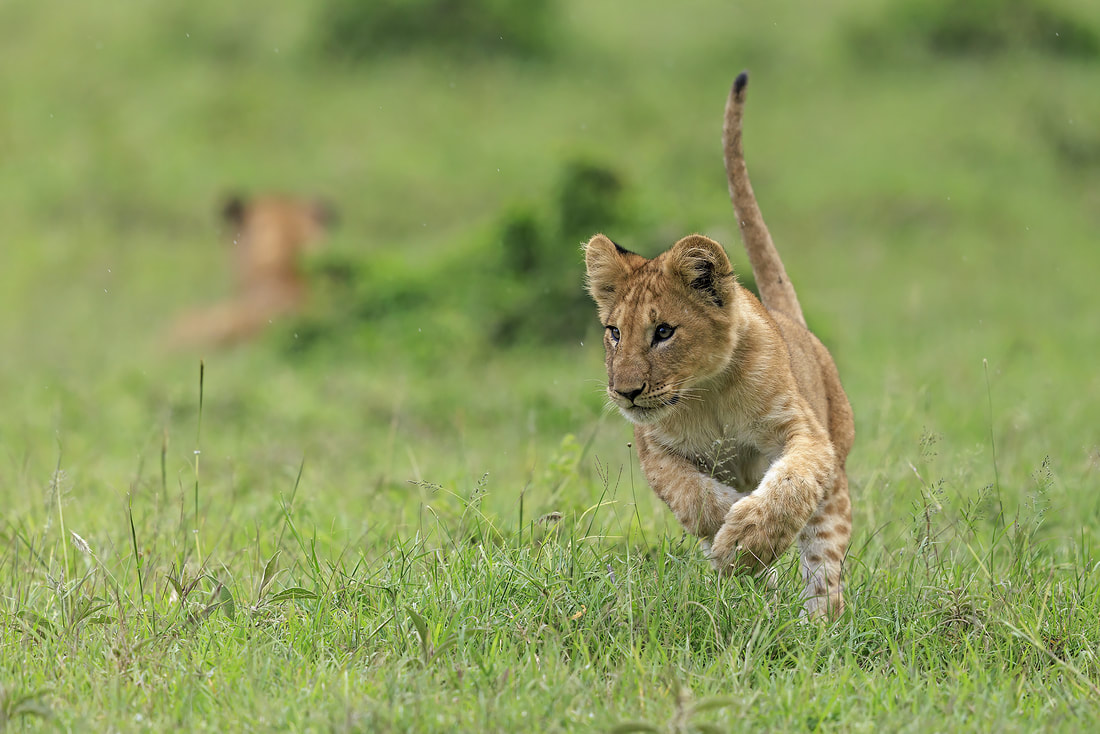 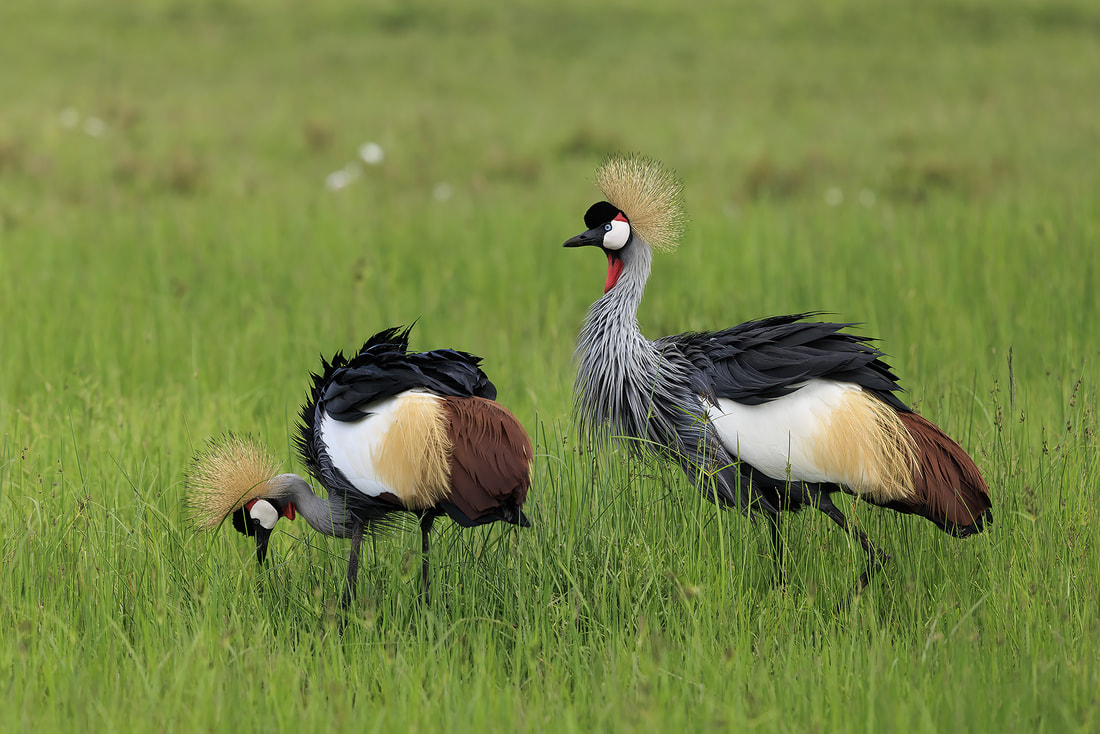 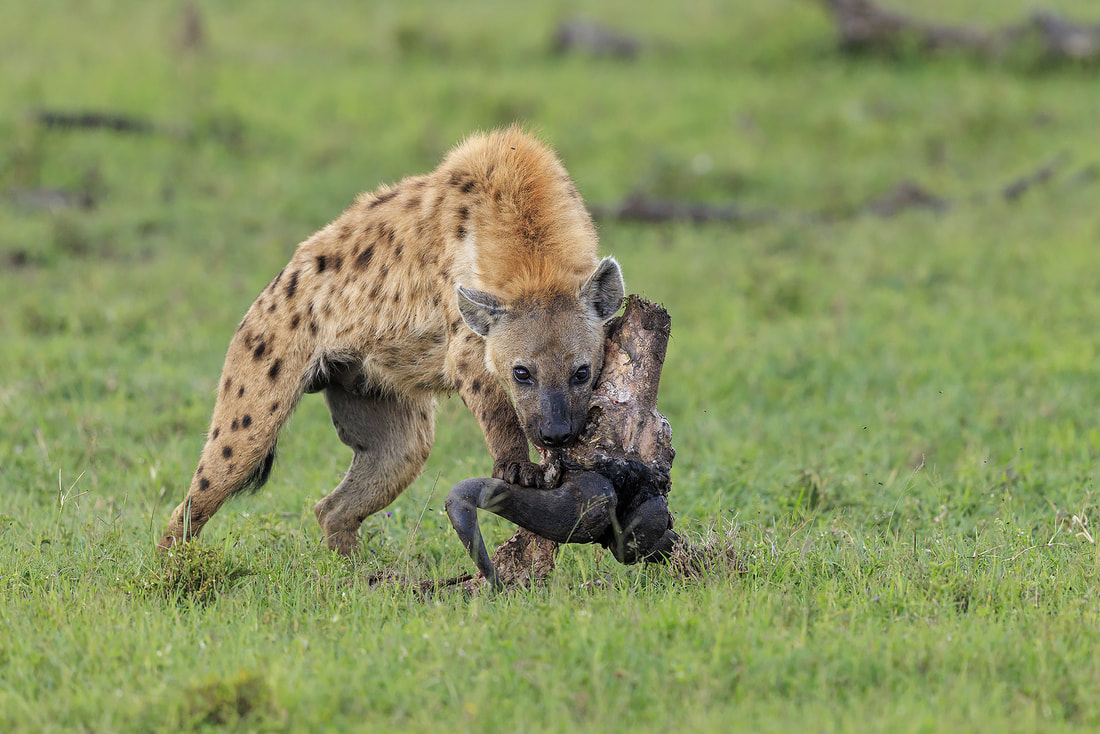 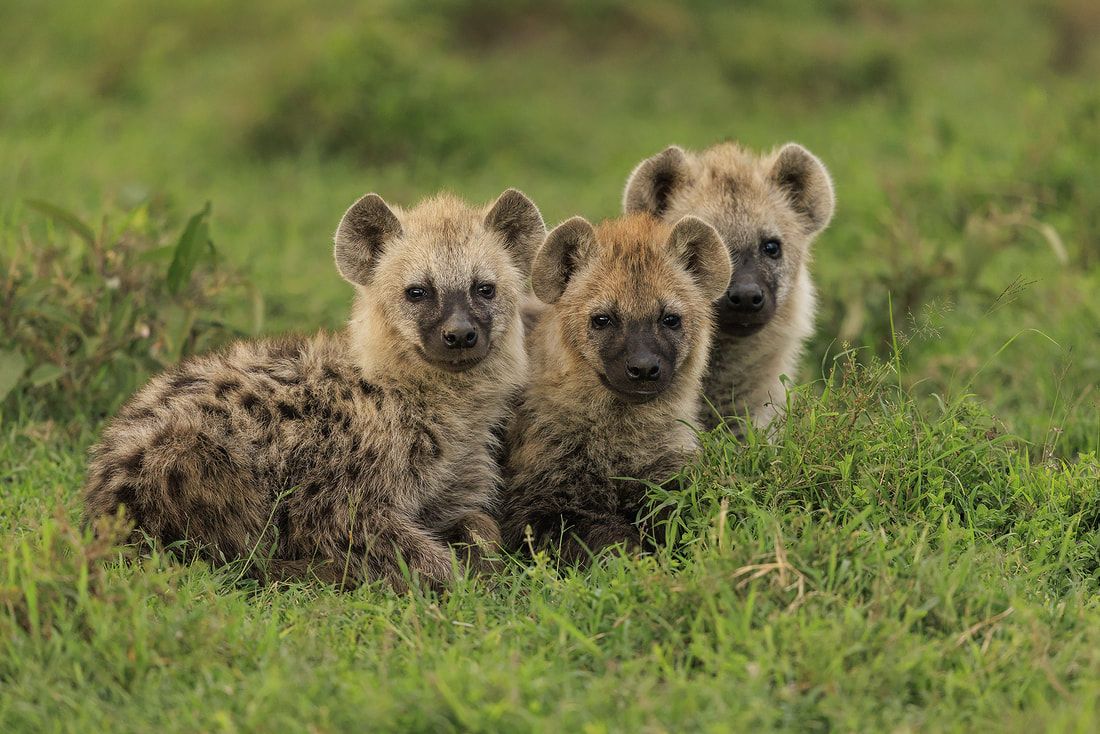 After spending the first few days around Ol Kinyei and Naibosho Conservancies, we headed west to Olare Motorogi where we were really spoiled with world-class wildlife sightings. 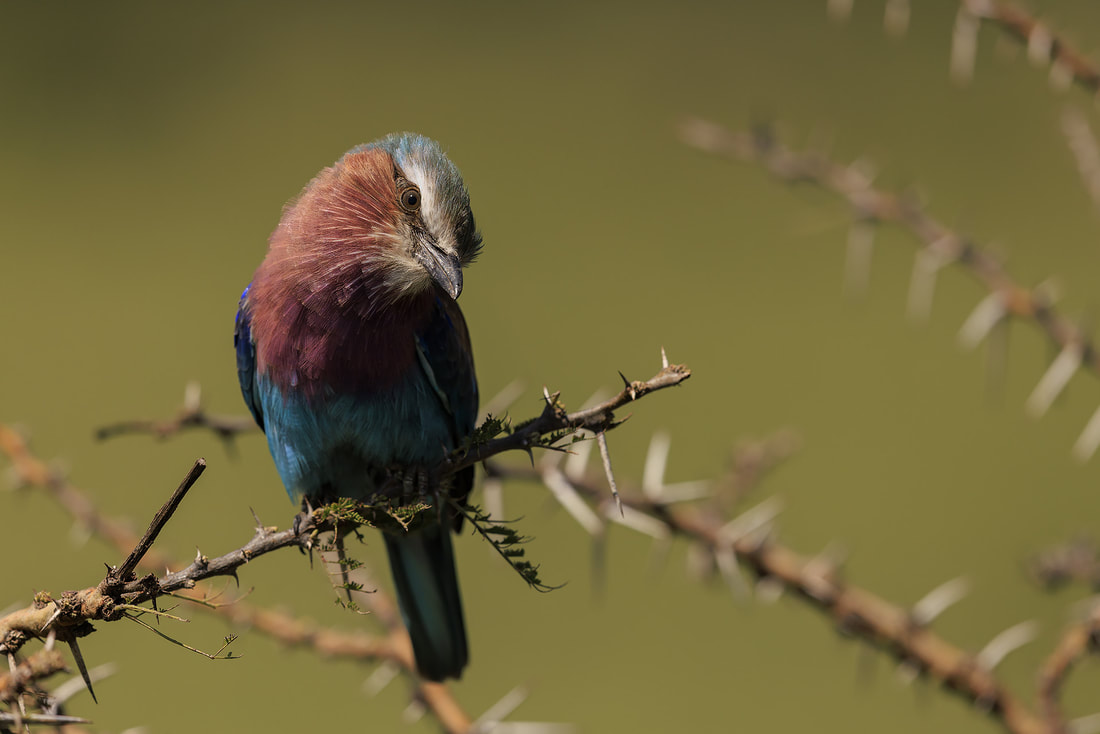 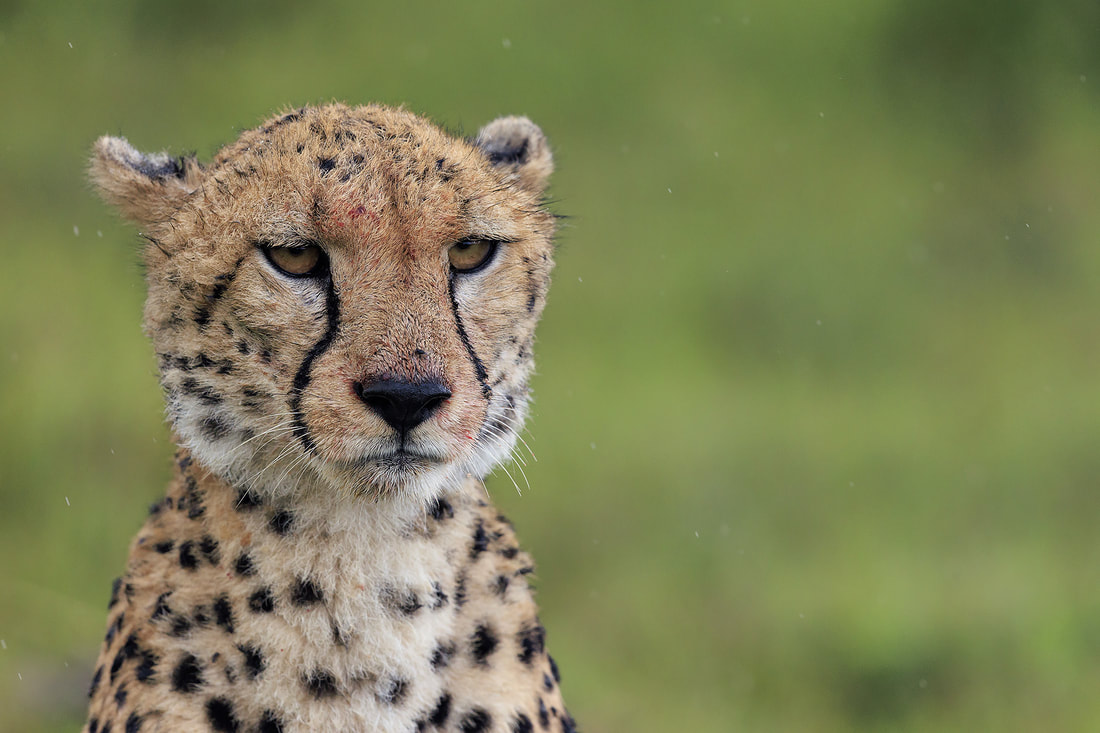 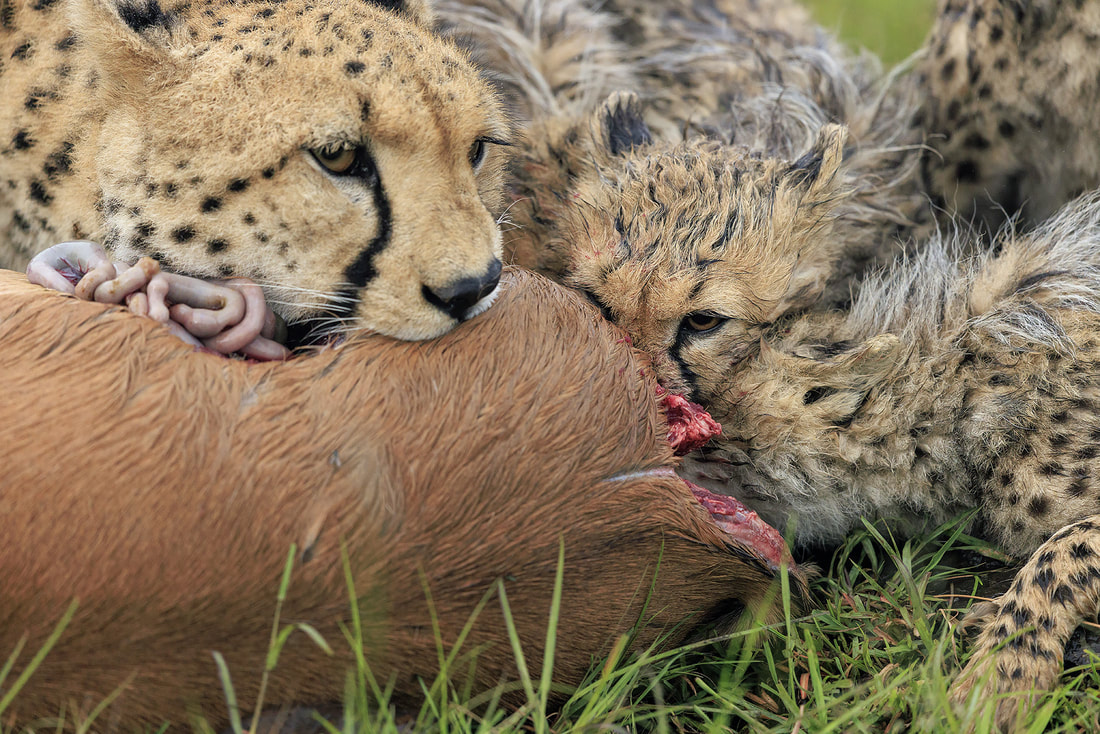 On our first afternoon in Olare Motorogi Conservancy, we were treated to an incredible sight. A female cheetah stalked and successfully killed a young male impala and we then watched from metres away, as her young joined her. What an incredible thing to witness from start to finish. 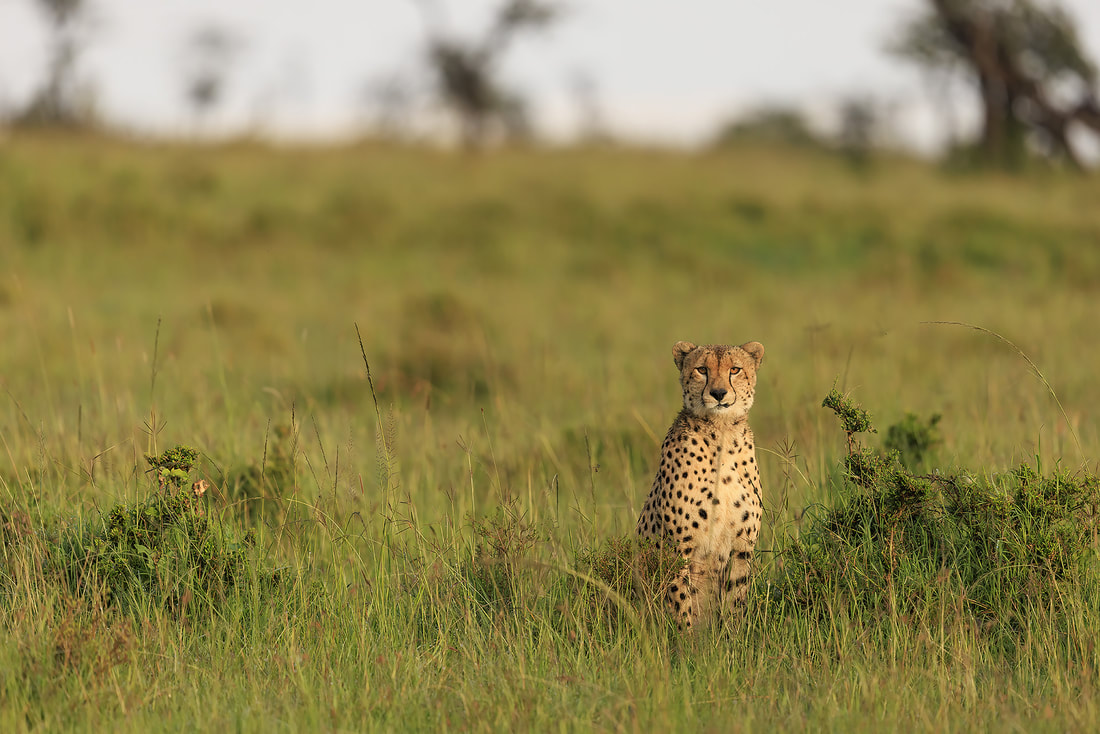 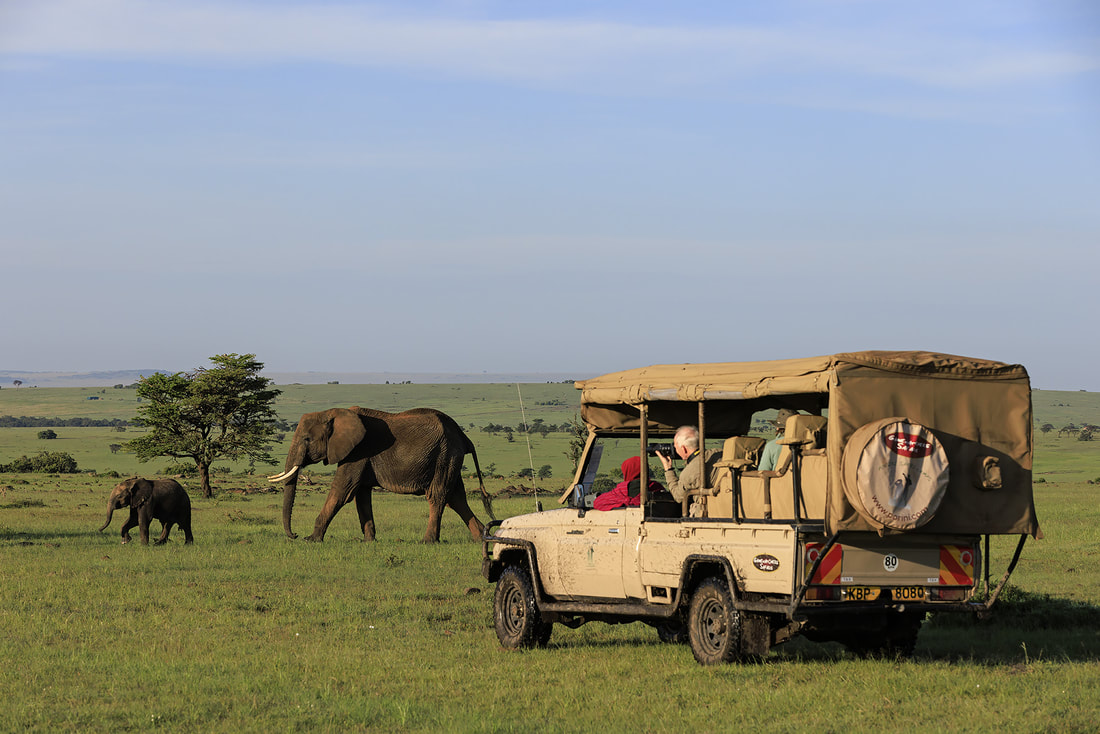 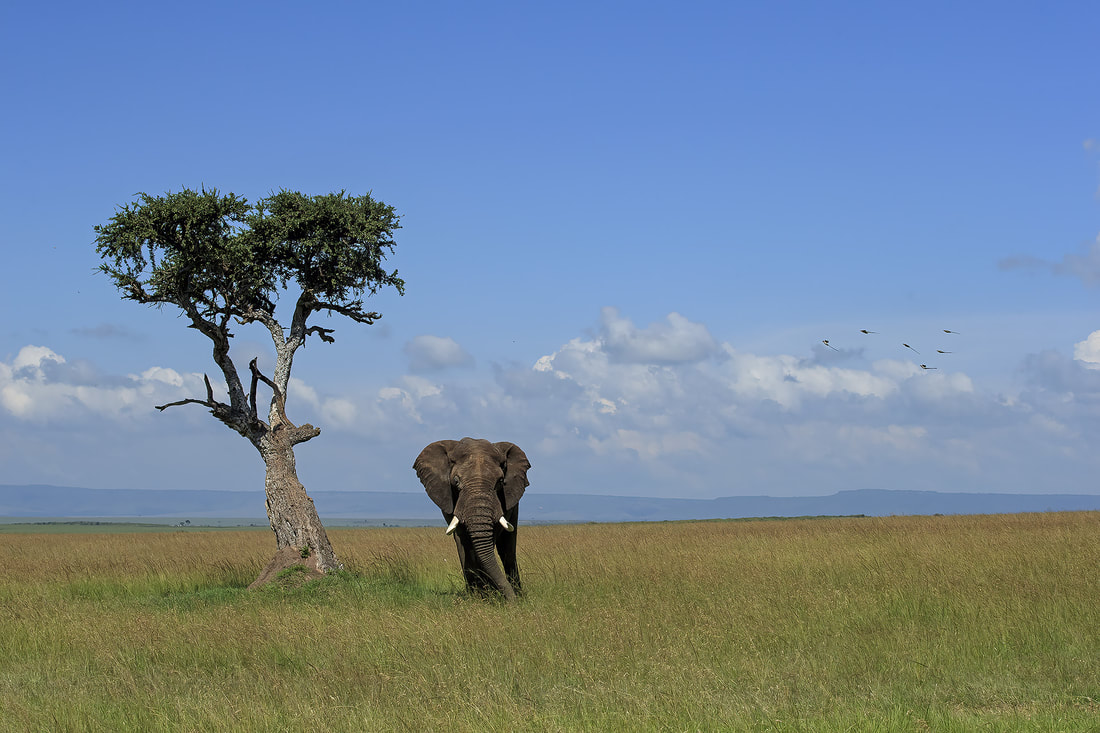 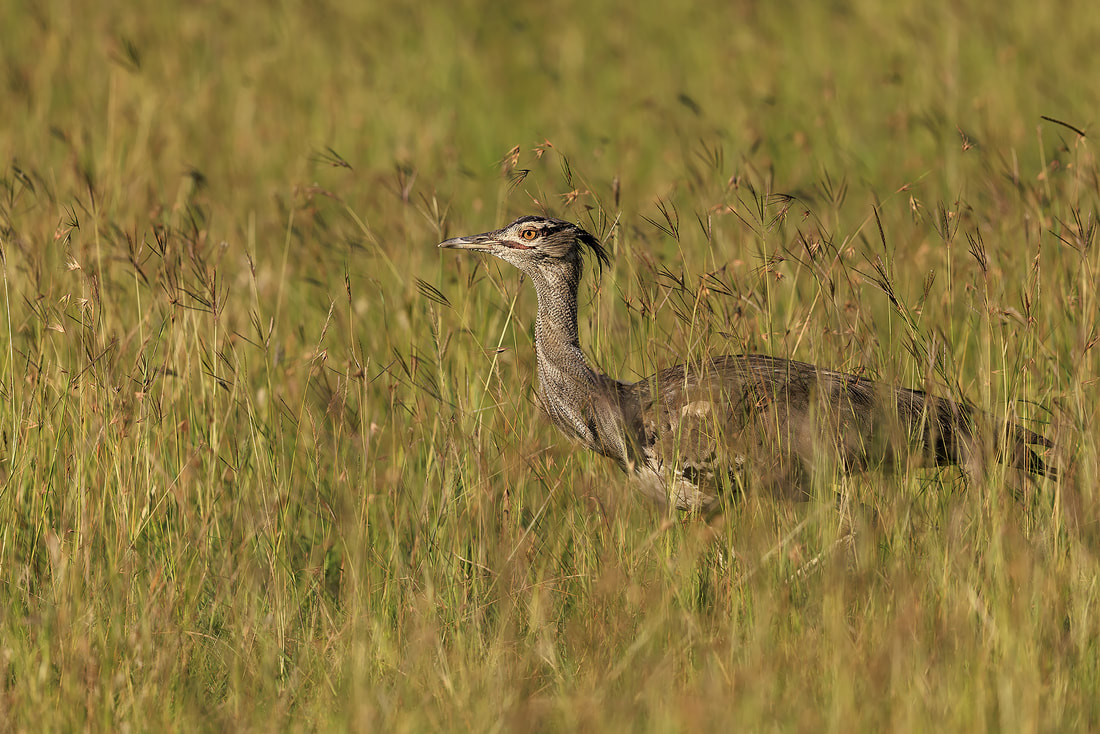 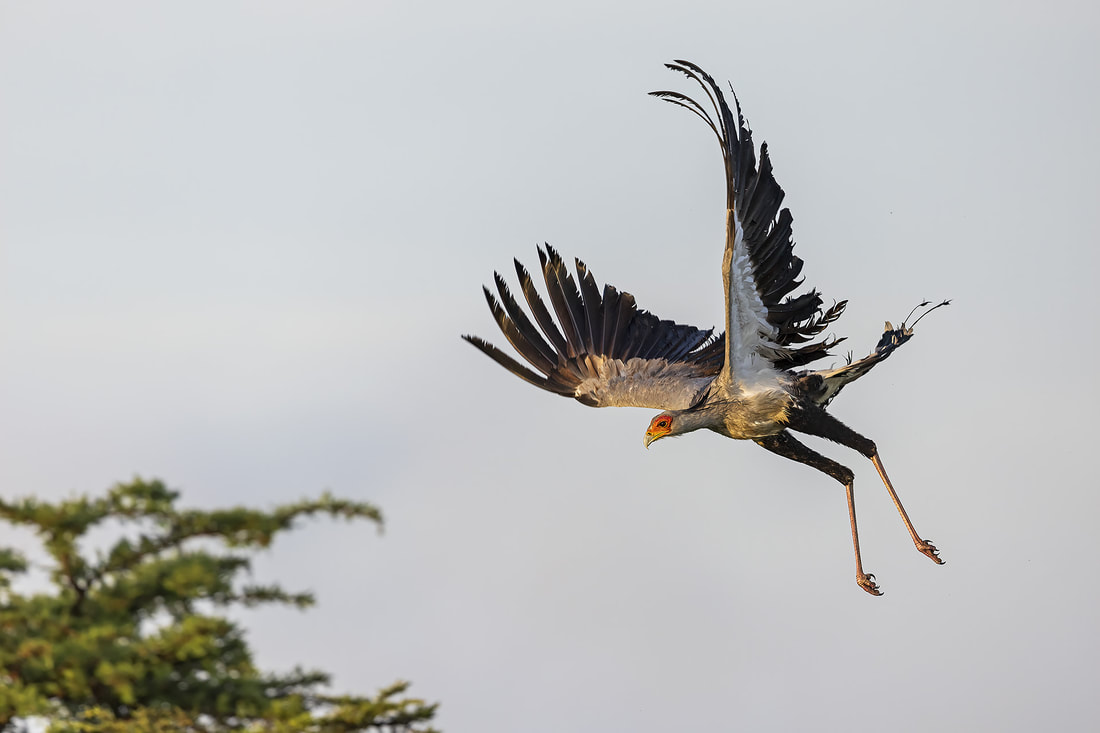 As well as excellent cheetah and lion sightings, we also enjoyed a session with a leopard. The photography opportunities were limited, but it was wonderful to see all three species of big cat. 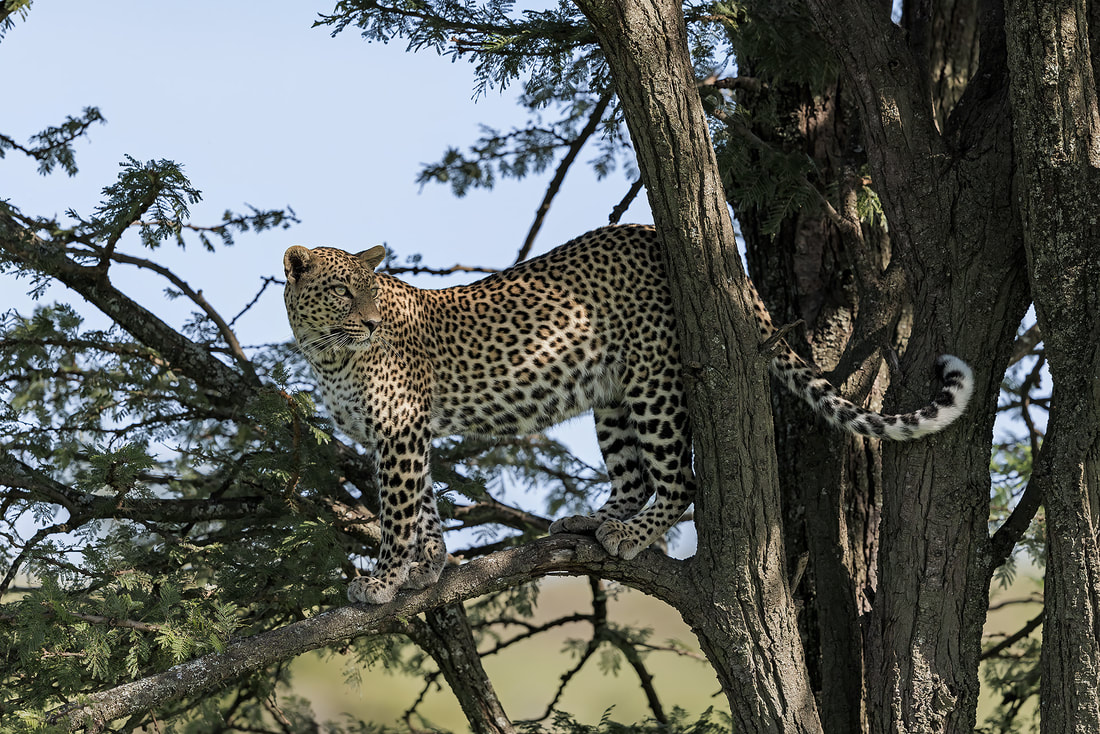 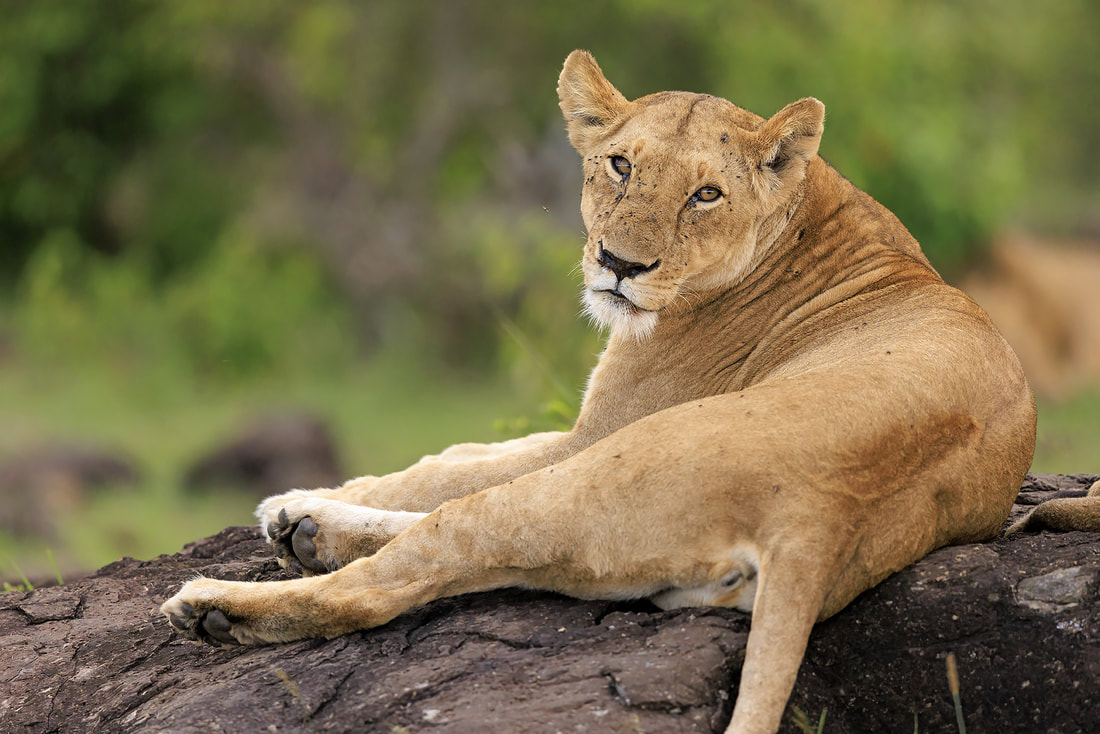 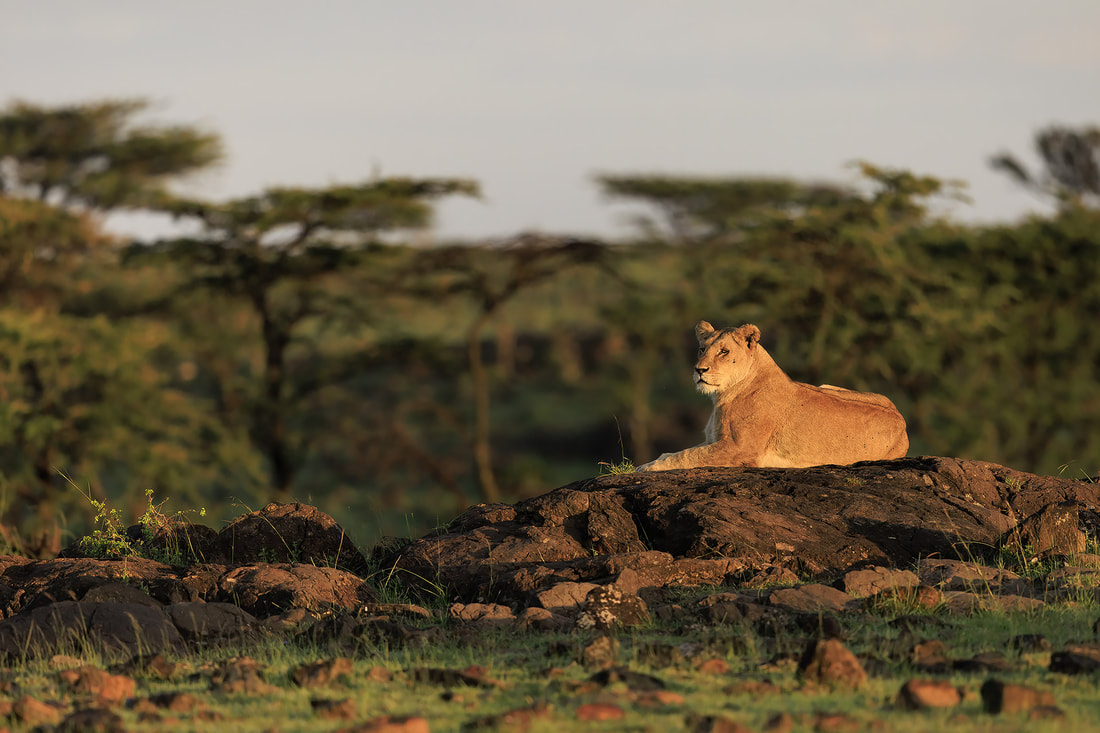 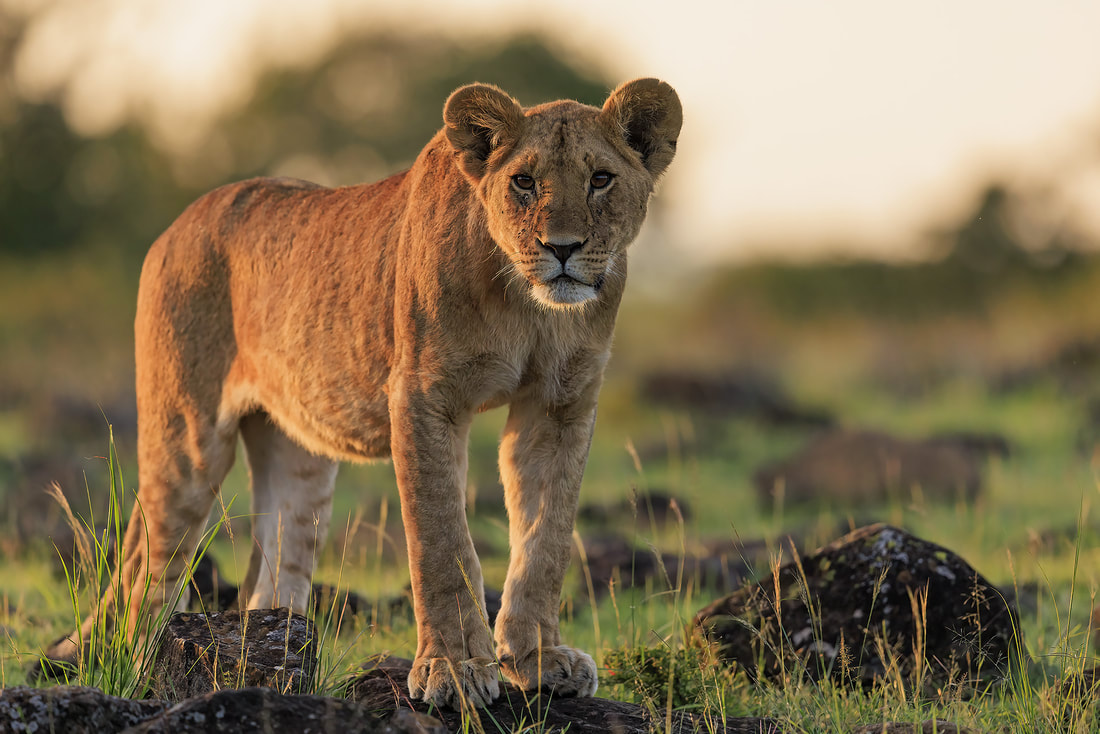 As you can see, we were treated to some exceptional encounters and world-class photographic opportunities. I won't be leading a trip in 2025, due to other commitments, but we plan to run the tour in 2026 if you fancy joining me. Find out more on the Wildlife Worldwide website.
After a few weeks at home, it wasn't long before I was heading back to Zambia for Wildlife Worldwide's Festival of Wildlife 2023. I am sure many of you will have no idea what a Festival of Wildlife is, so let me paint a picture for you. Wildlife Worldwide will book out an entire lodge, or charter a vessel, and bring a team of leading experts who run a wonderful array of workshops and lectures. These 'extra' activities are timed around the traditional wildlife-watching times. I was there as the wildlife photography expert, trying to impart my knowledge with over thirty clients. I helped with theory and editing workshops each day alongside heading out on dedicated photographic game drives and enjoyed some incredible sightings. With that in mind, here are some of the highlights of our week-long stay at Mfuwe Lodge. 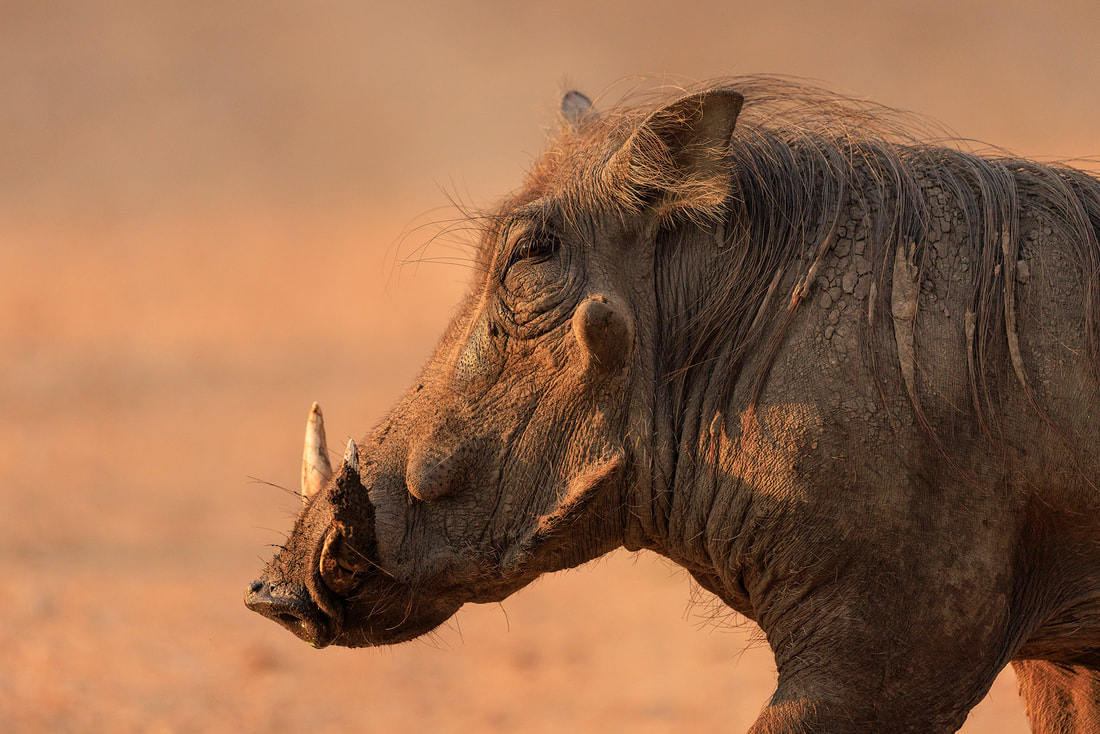 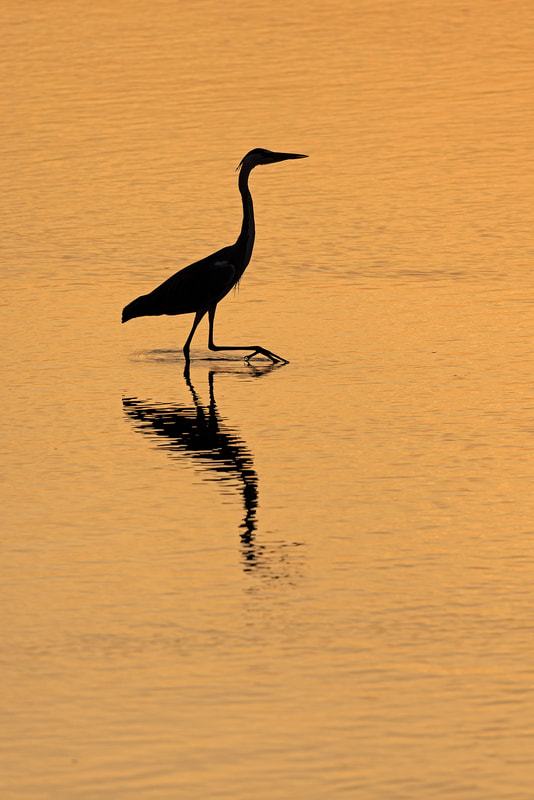 As I'm sure you know by now (I visit South Luangwa every year), but this park is renowned for its leopards. The Festival was no different as many of the clients were blessed with several views of these stunning cats. 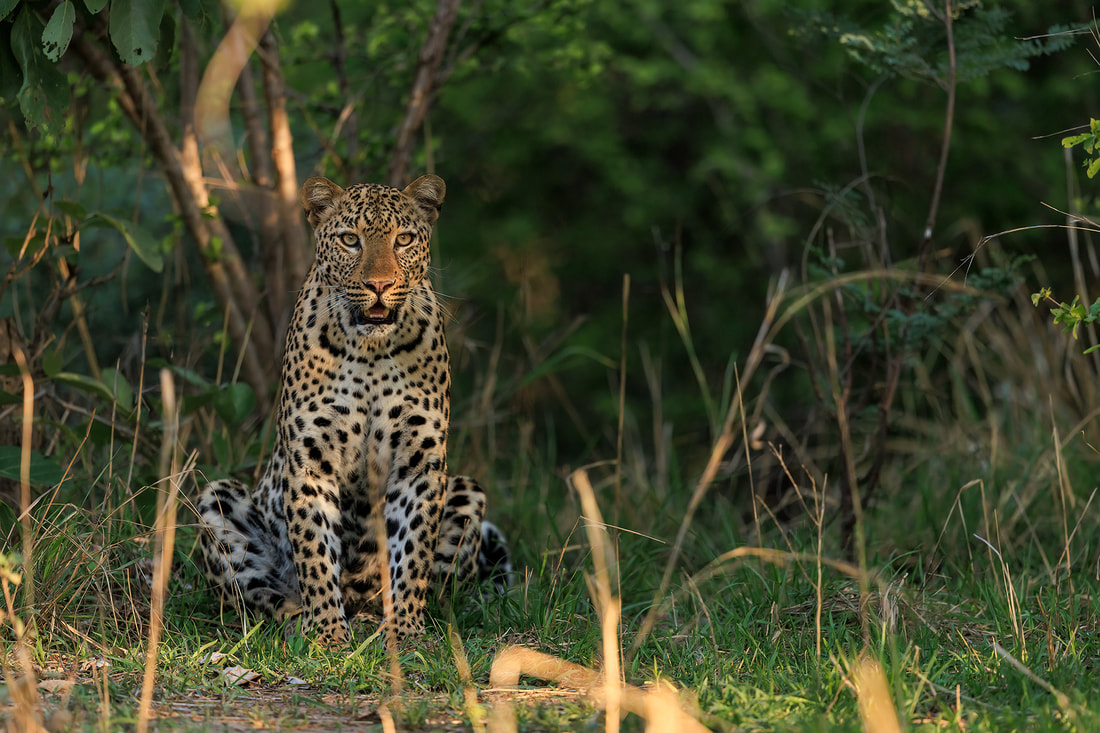 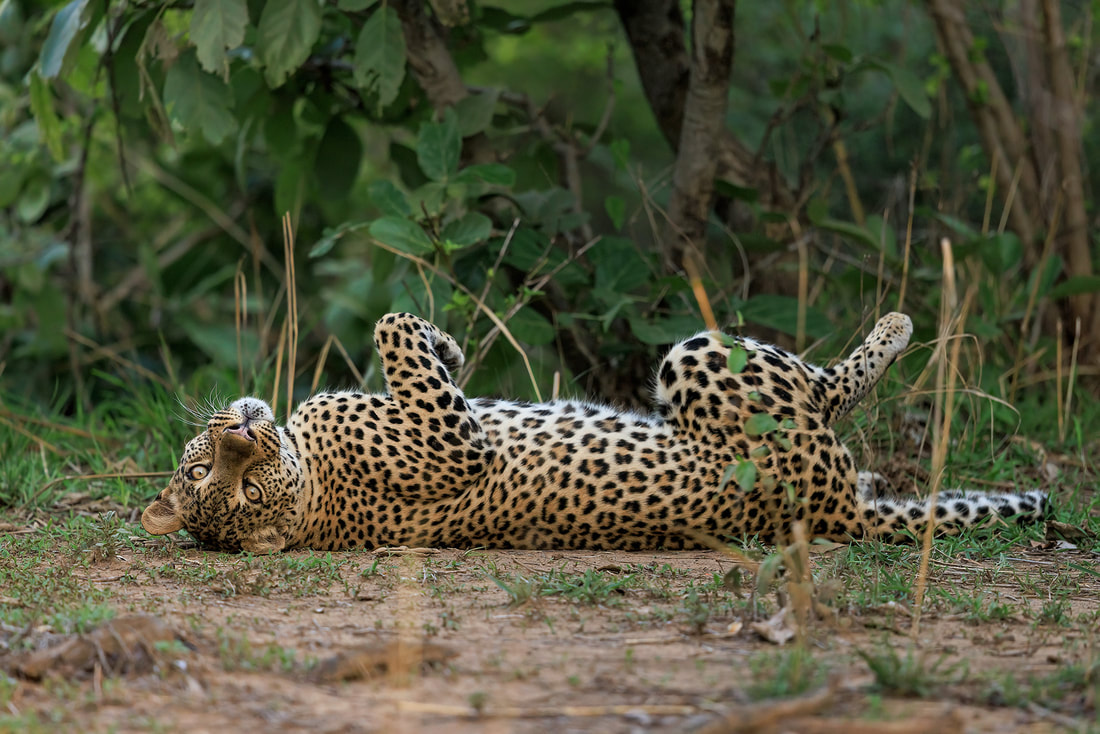 There was, of course, so much more on offer ... 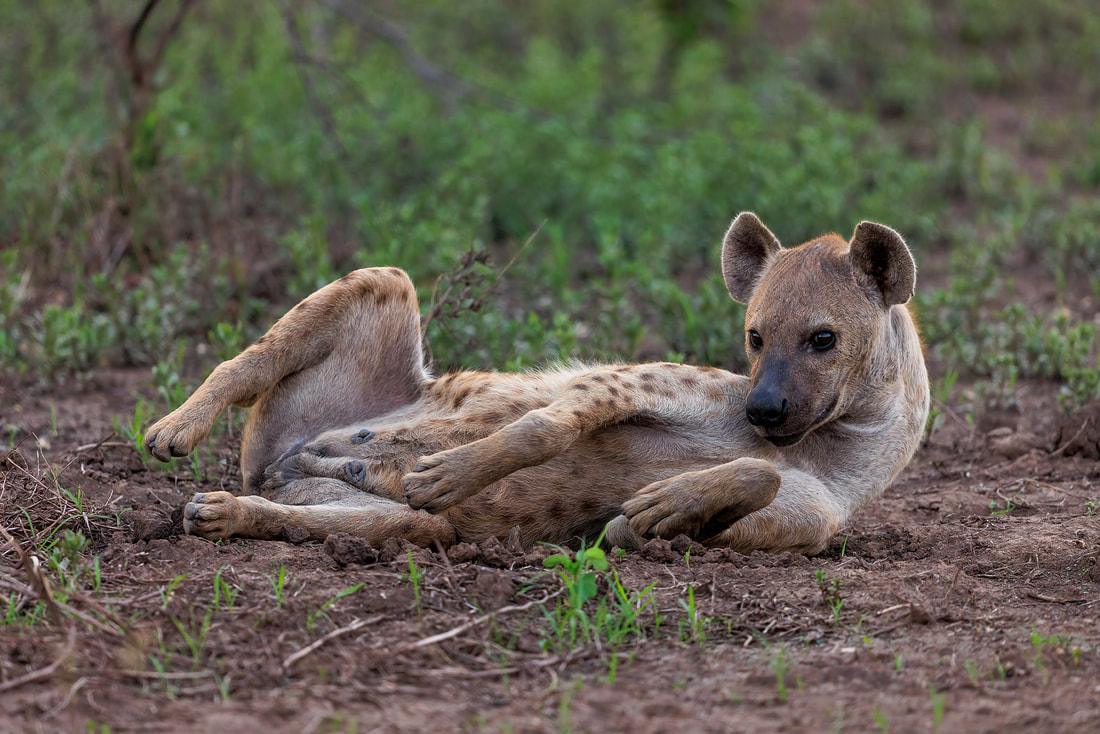 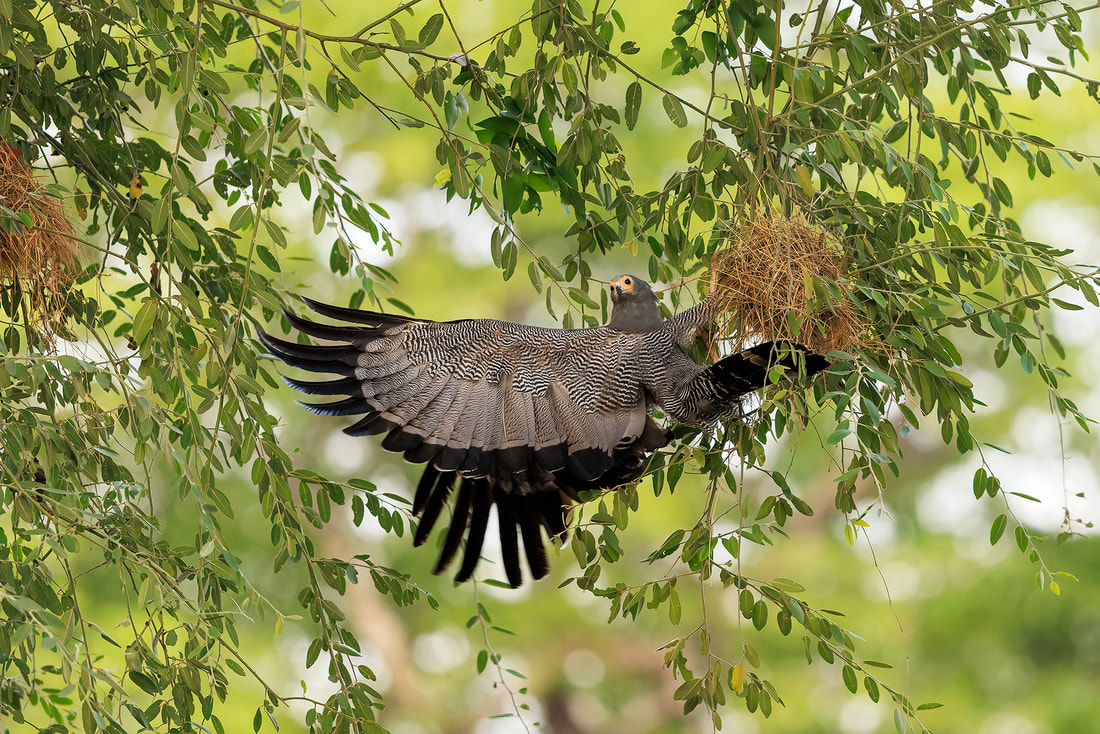 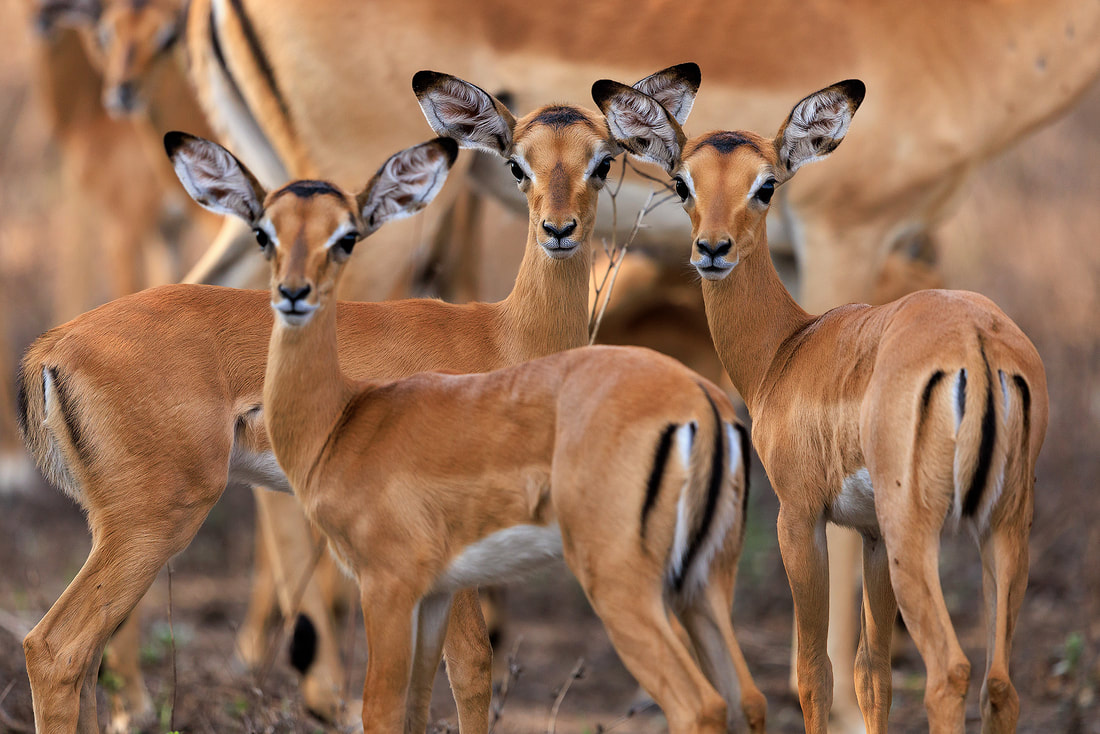 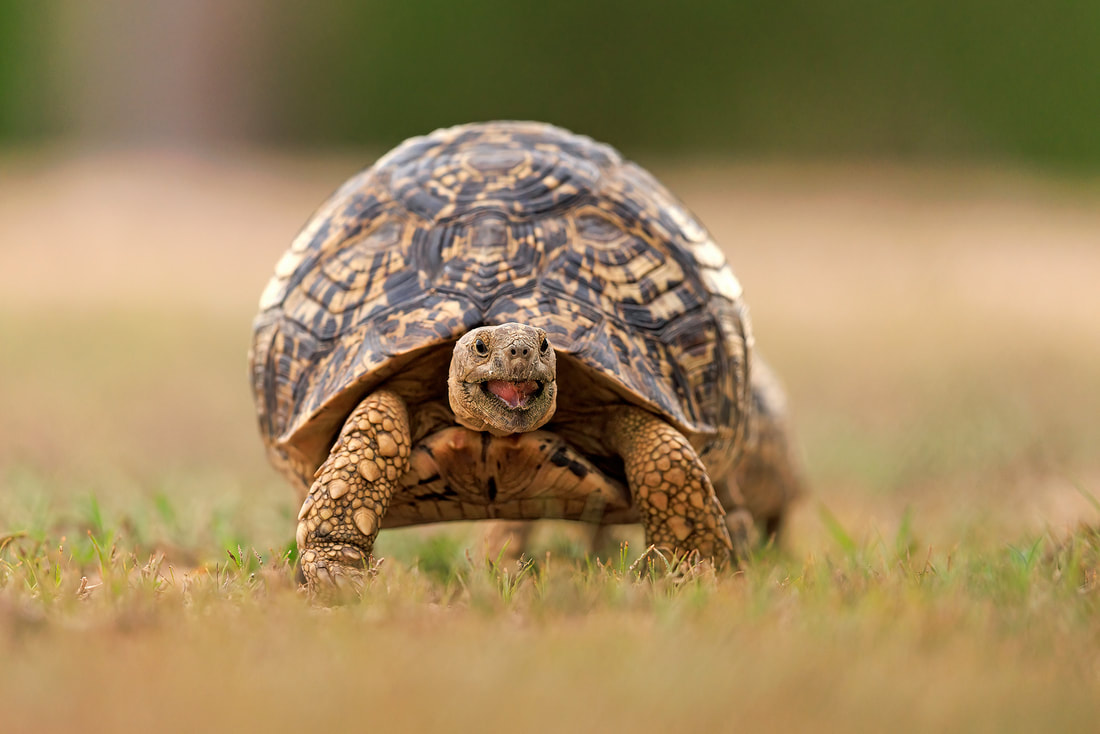 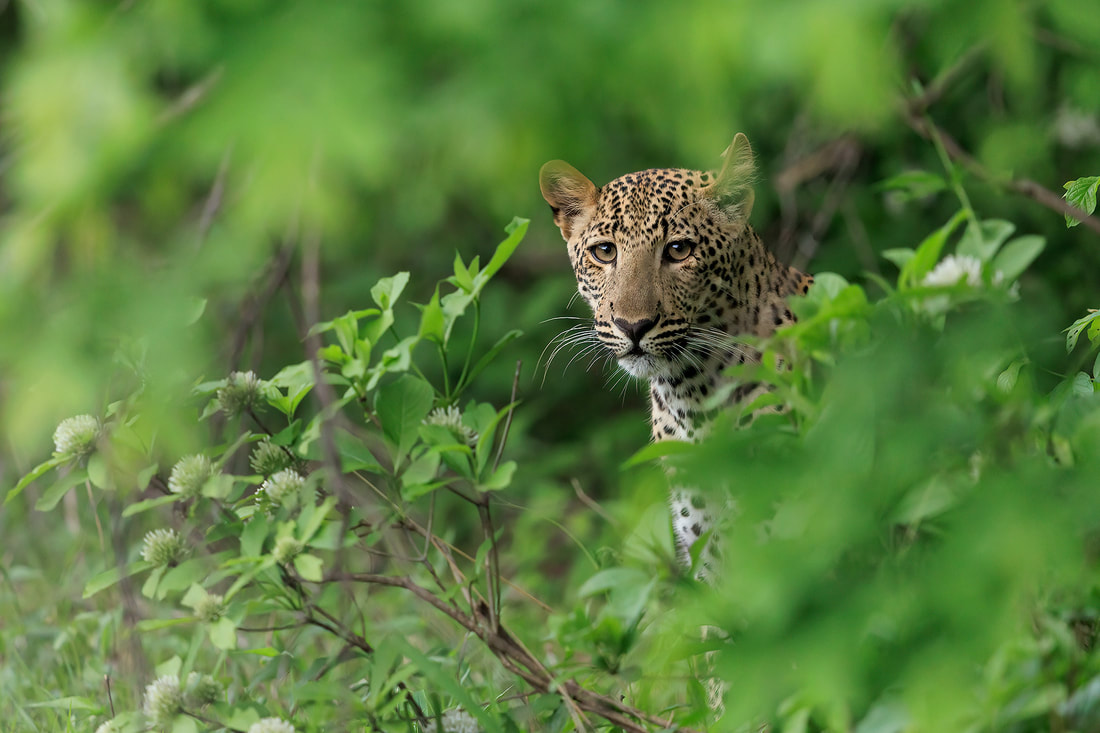 We had an amazing week and our clients had a fabulous time. Our next Festival of Wildlife is to Tanzania. in April 2024 Due to some cancellations, there is some late availability - visit the tour page to find out more and book your place.
In September of this year, I was delighted to be at the helm firm for Wildlife Worldwide's Brazil's Big Five Photo Safari. This trip combines the north and southern areas of this vast area, but I am going to focus on each part of the trip across two separate blogs. We started off by flying to the city of Cuiabá, before driving down to the Pixaim River. Here we spent a couple of days photographing a wealth of incredible birds, alongside some iconic mammals including giant river otter and ocelot. I hope you enjoy the images ... 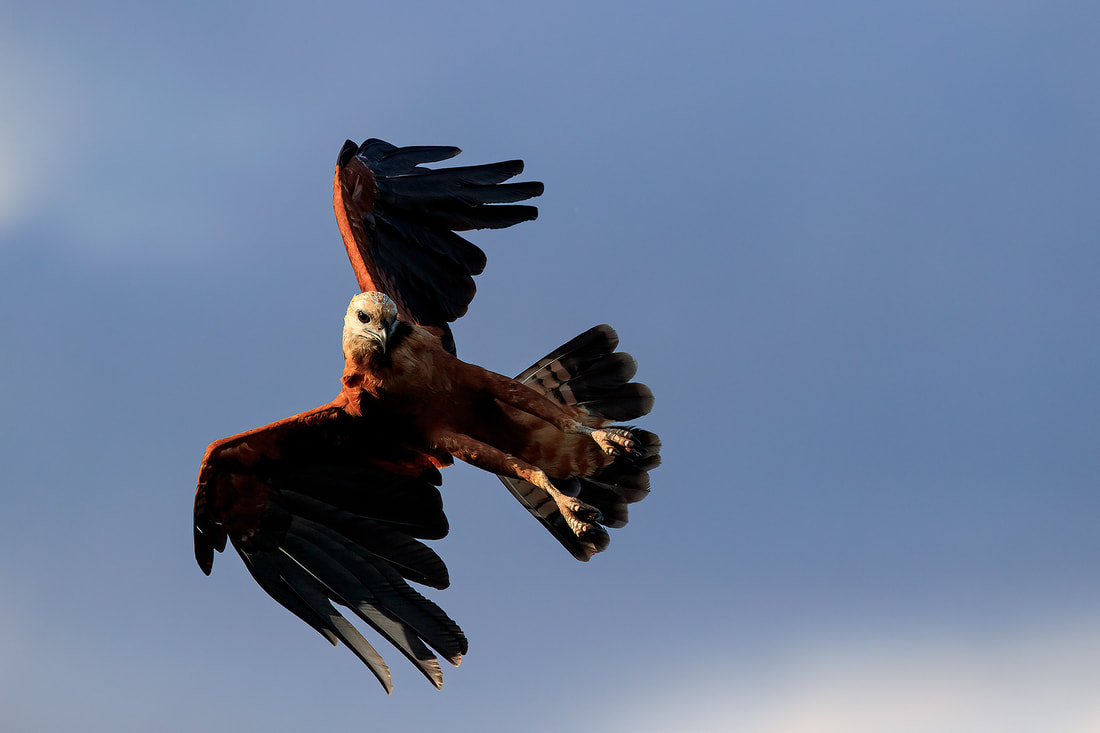 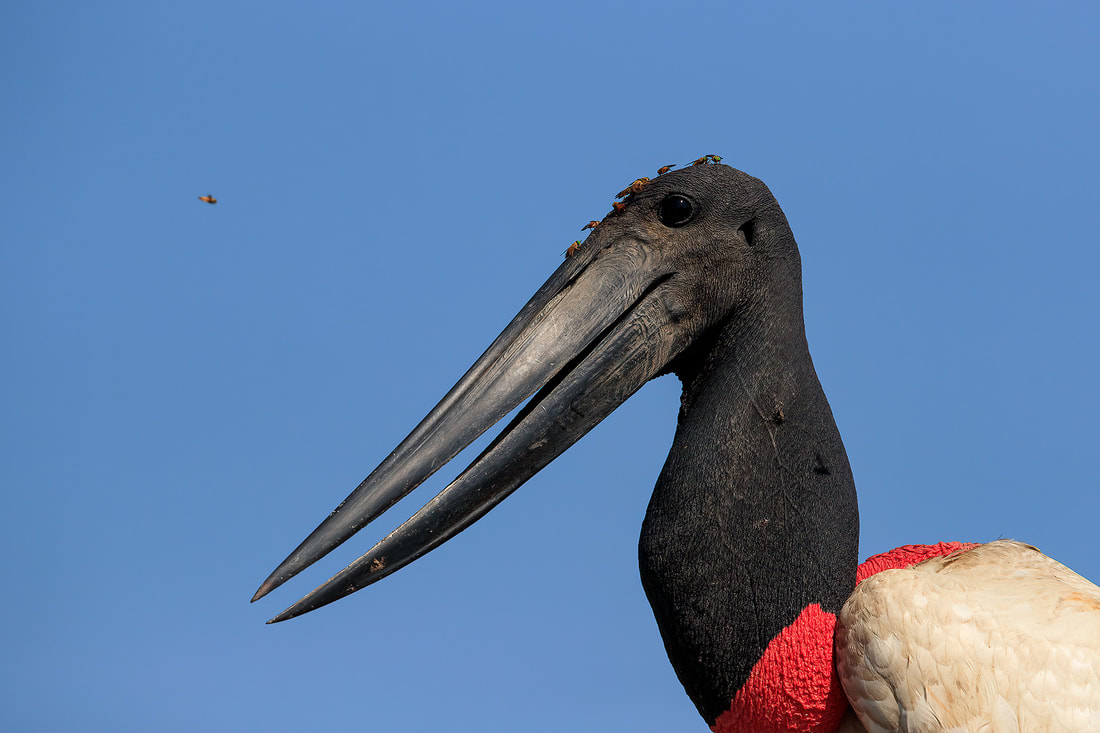 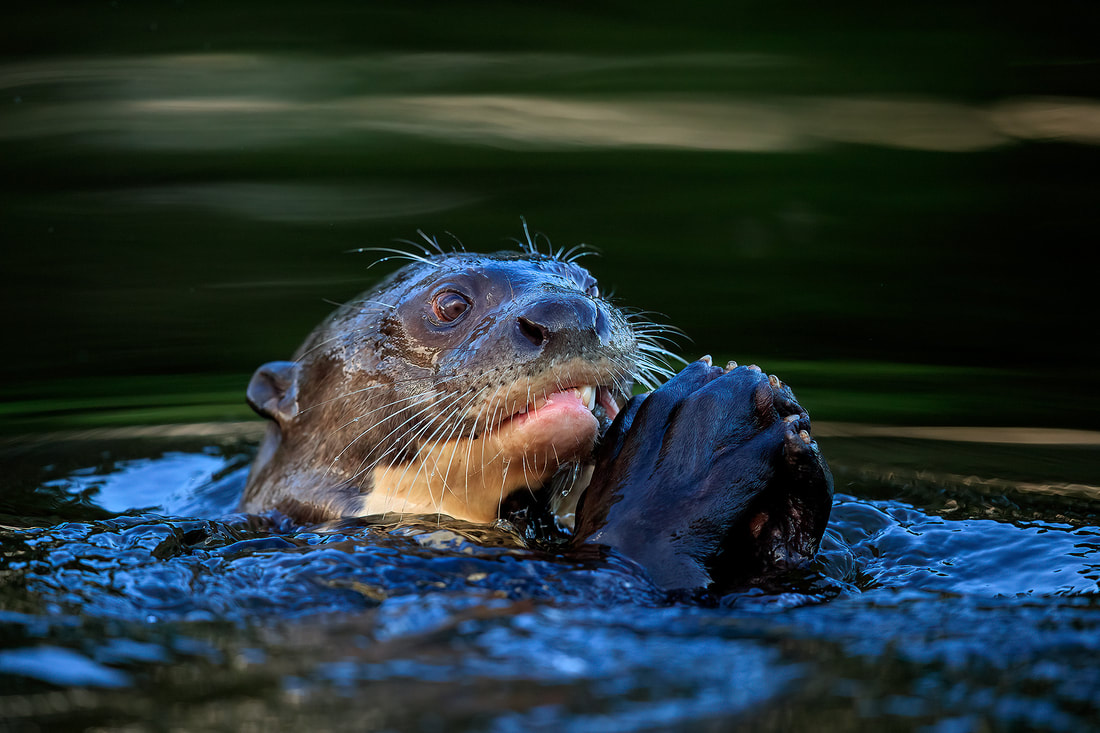 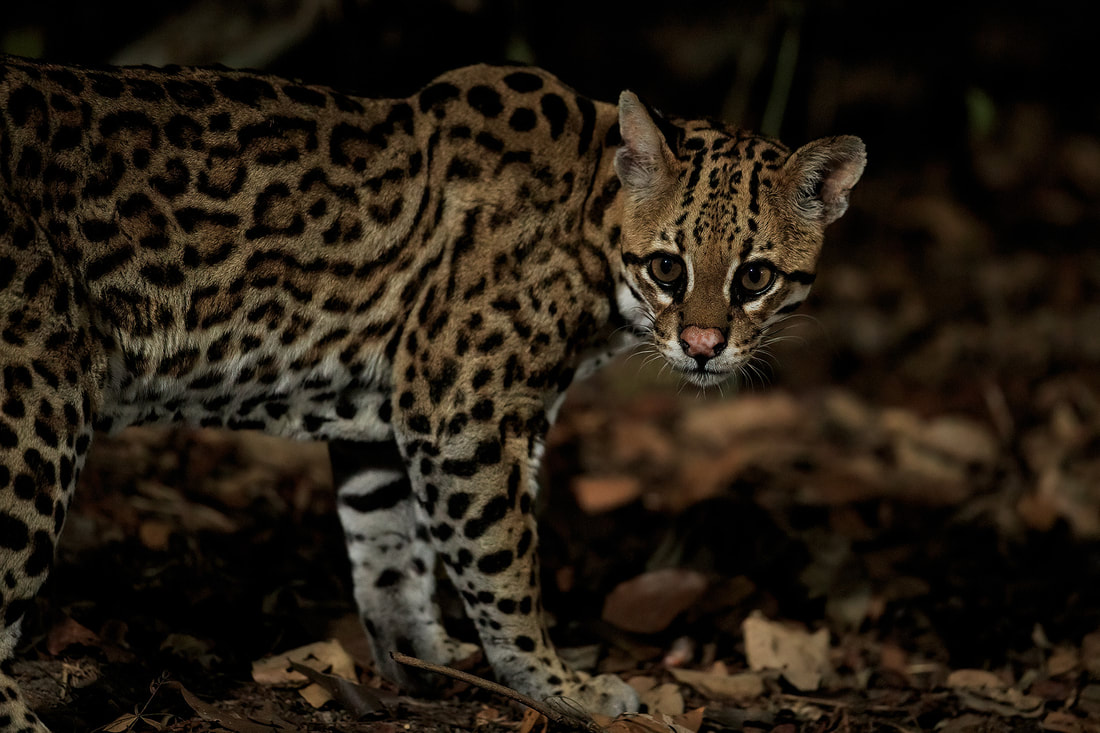 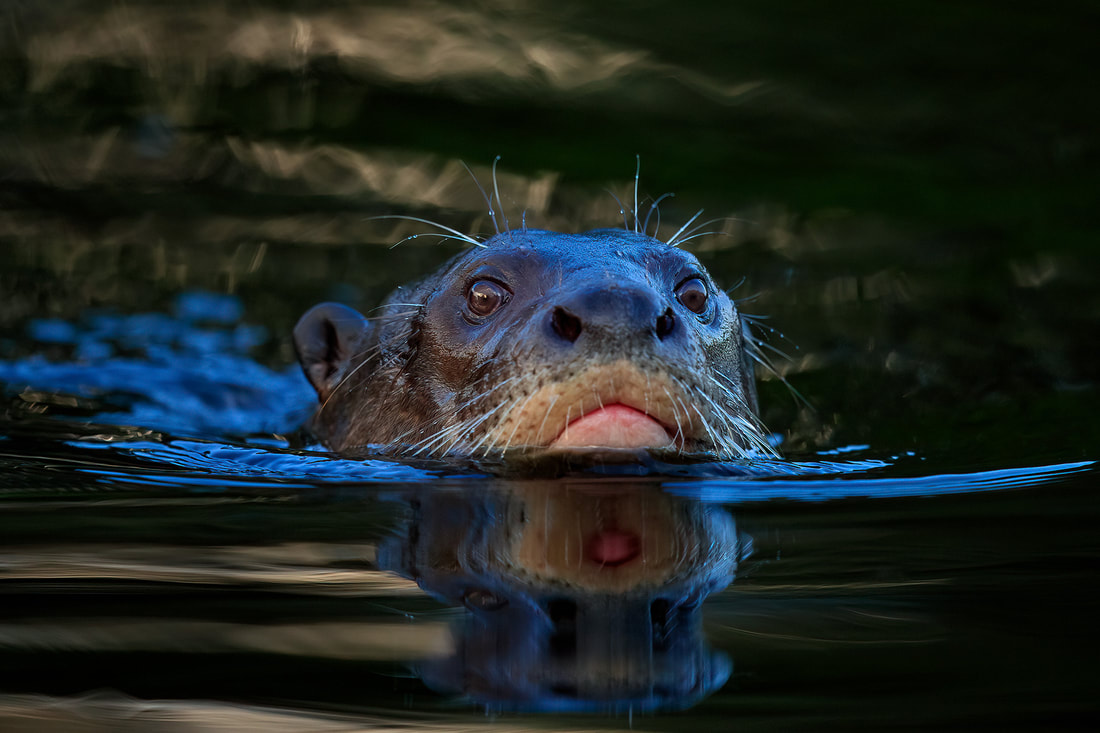 After a fabulous introduction to the region and its remarkable wildlife, we headed south to the small riverside settlement of Porto Joffre (right at the end of the Transpantaneiro Highway). Here we hopped aboard a speedboat and proceeded to make our way up the Three Brothers River to Capybara Lodge. This remote spot was the perfect place to base ourselves as we went in search of jaguars. Of course, we enjoyed a lot more than jaguars, but this was certainly the main focus during our time here. Our first sighting here was a huge male jaguar. He decided to put on quite a show and with only one other boat in attendance we were well and truly spoilt. 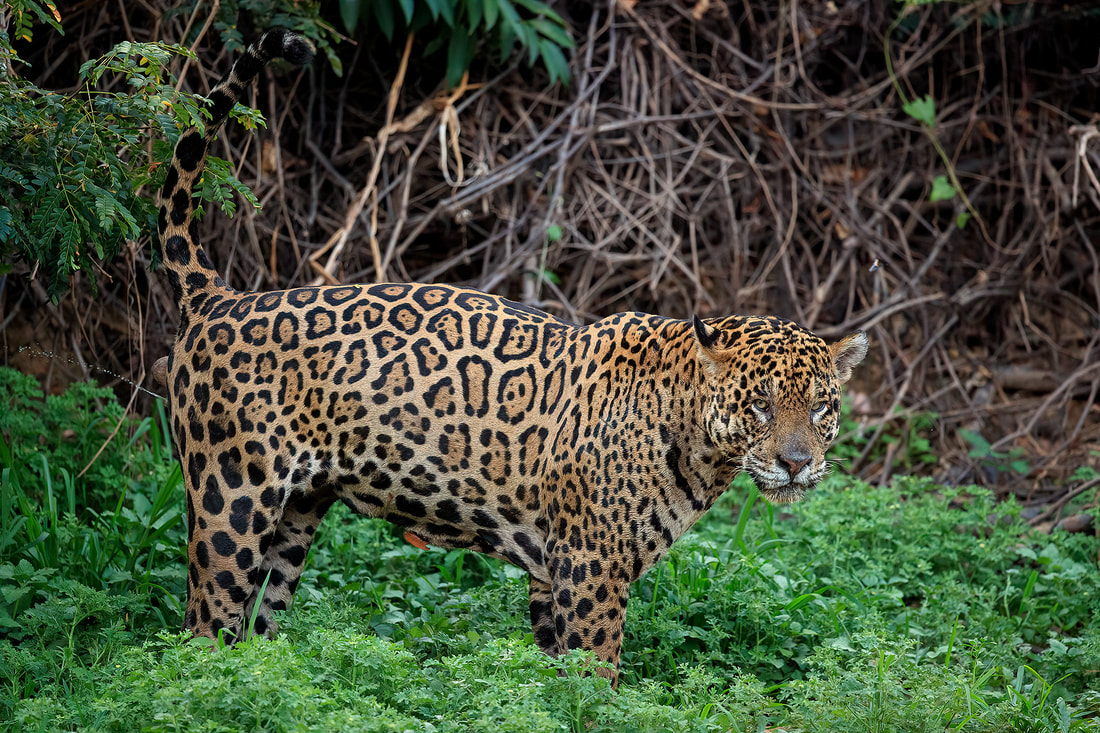 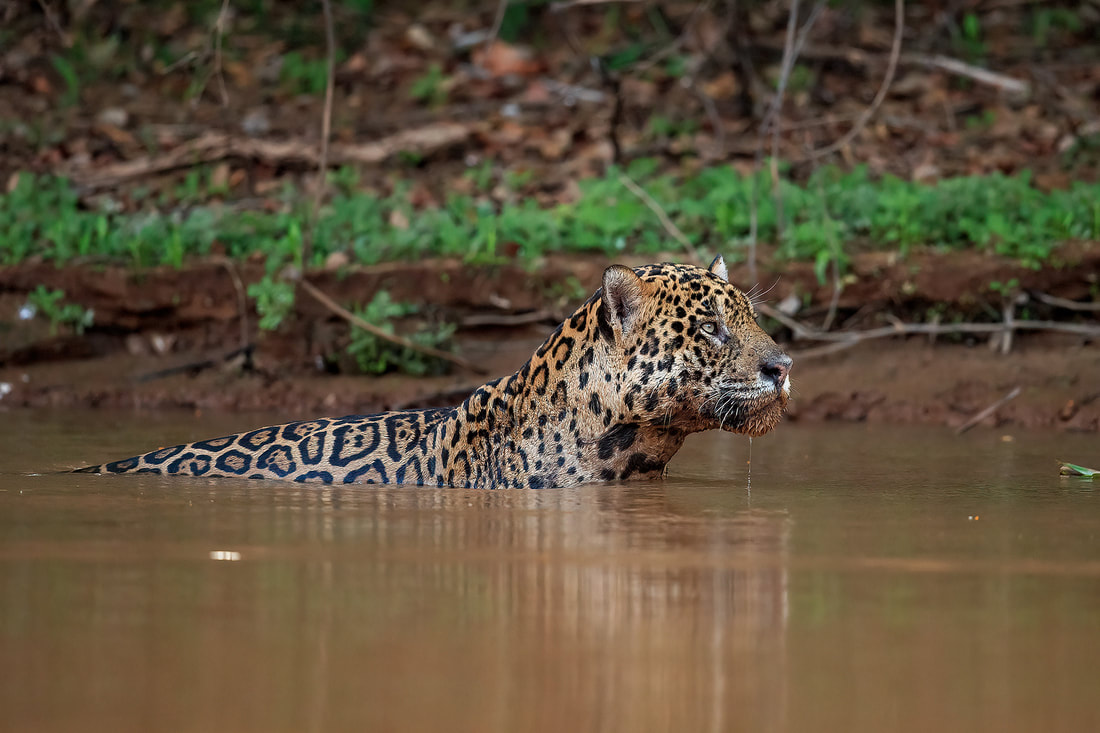 This area is home to some incredible birdlife too, but for me the anhingas and guira cuckoos were among the most characterful of our avian friends. There were so many caiman about, it was actually harder not to spot them. We had hoped that we may be lucky enough to see a successful jaguar hunt on one of these large reptiles. Instead we had to make do with enjoying each species going about their lives without any interaction. 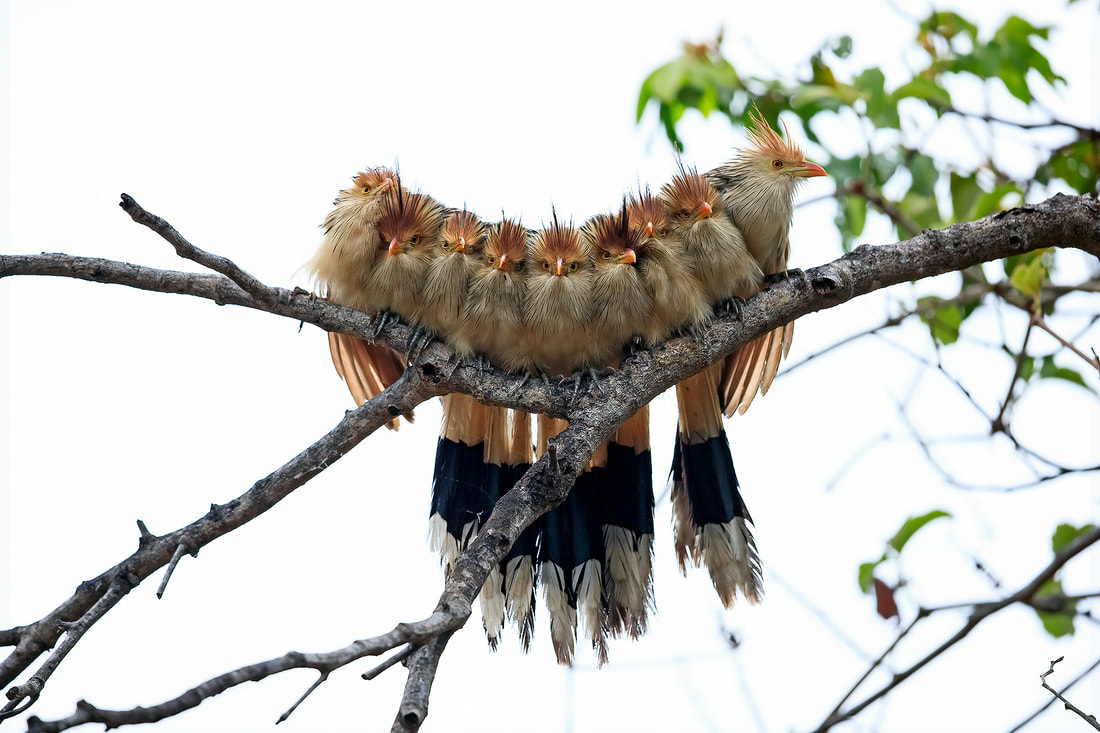 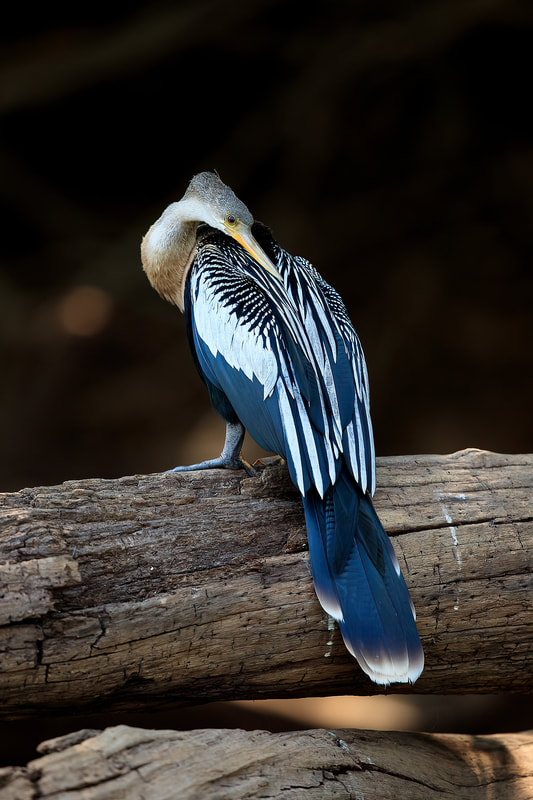 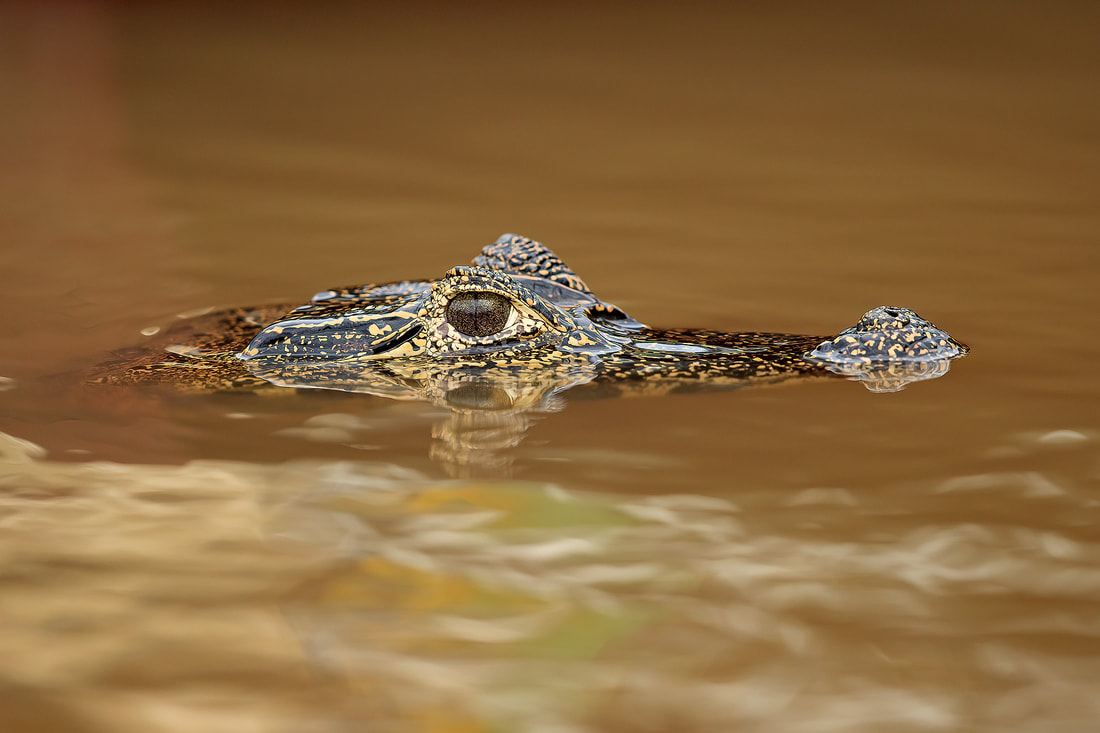 As you can see, between the jaguar sightings, there is always something to keep you entertained. Whether you are a photographer, or just someone interested in wildlife, this area is a haven for wildlife and will provide you with countless enjoyable sightings. With that in mind, let's get back to the jaguars. 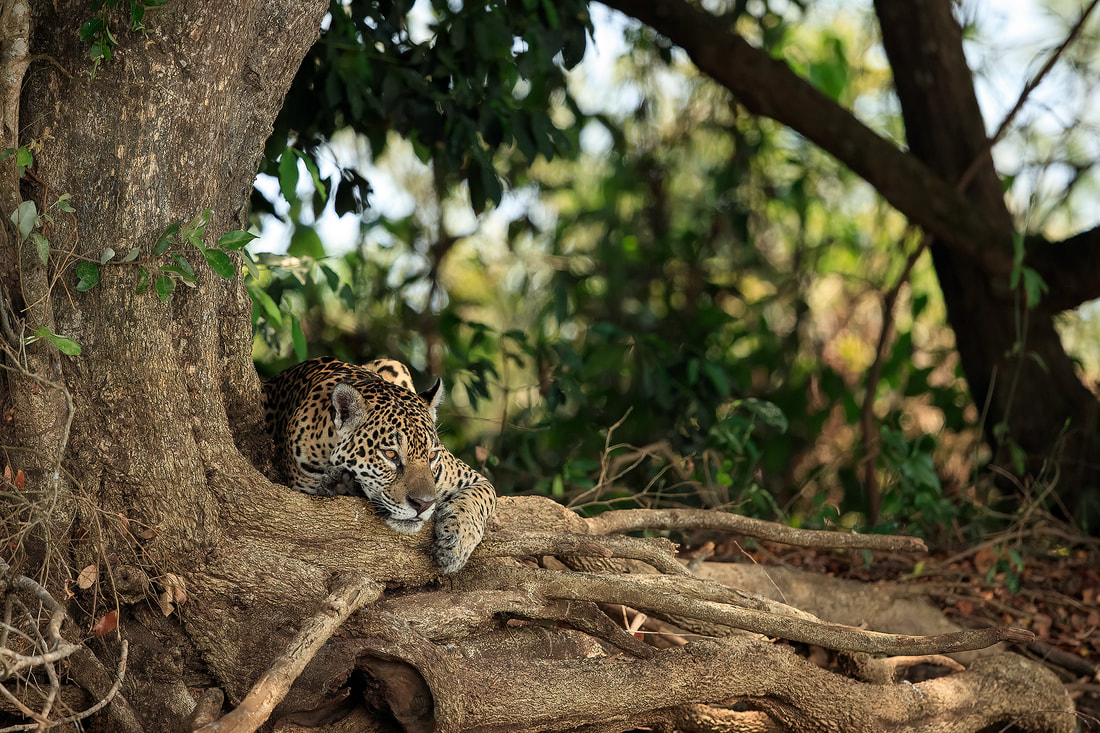 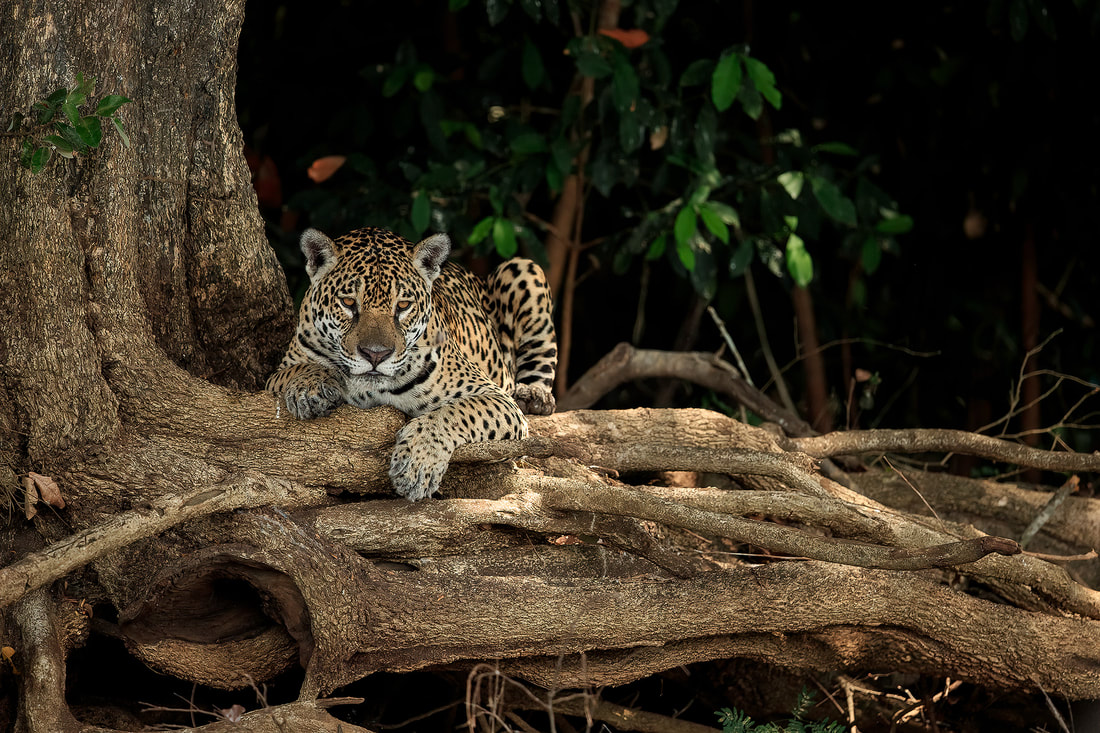 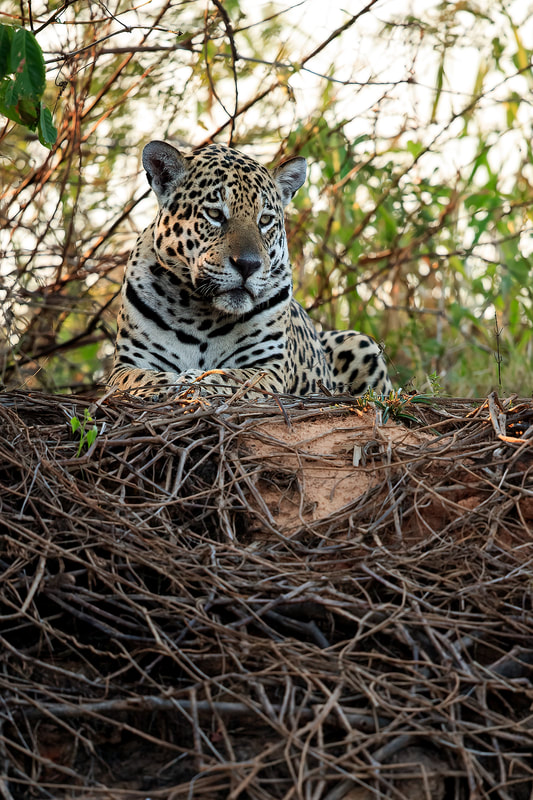 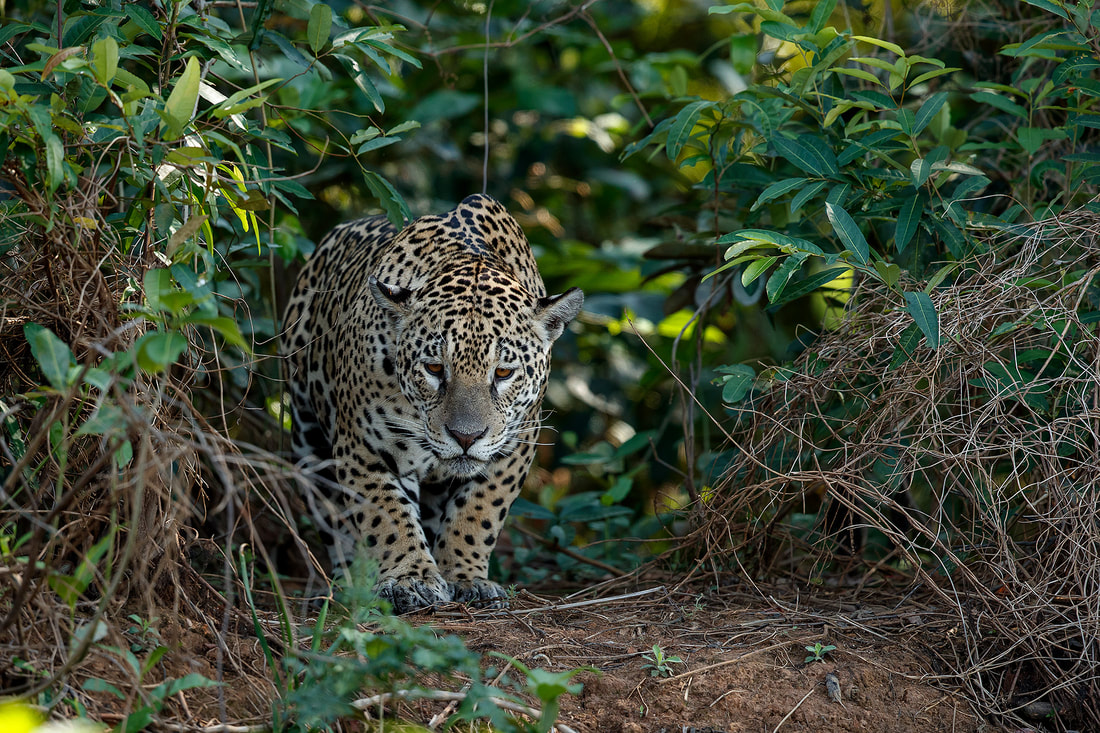 As you can see, we were treated to some memorable encounters with the most powerful member of the big cat family. In a short space of time we enjoyed views of seven different jaguars and had some great photography opportunities.
You can find out more about the trip and book your place on the Wildlife Worldwide website. Back in July I was privileged to lead Wildlife Worldwide's Seldom Seen Alaska photography tour. This unique tour had been developed in partnership with a local skipper, focussing on the region's exceptional whale watching and enjoying a plethora of other marine species and land-based wildlife too. Without a doubt though, it was the whales that really captured the group's imagination and the respective photography opportunities were world class. So, sit back, relax and enjoy the wild delights of Alaska's Alexander Archipelago. 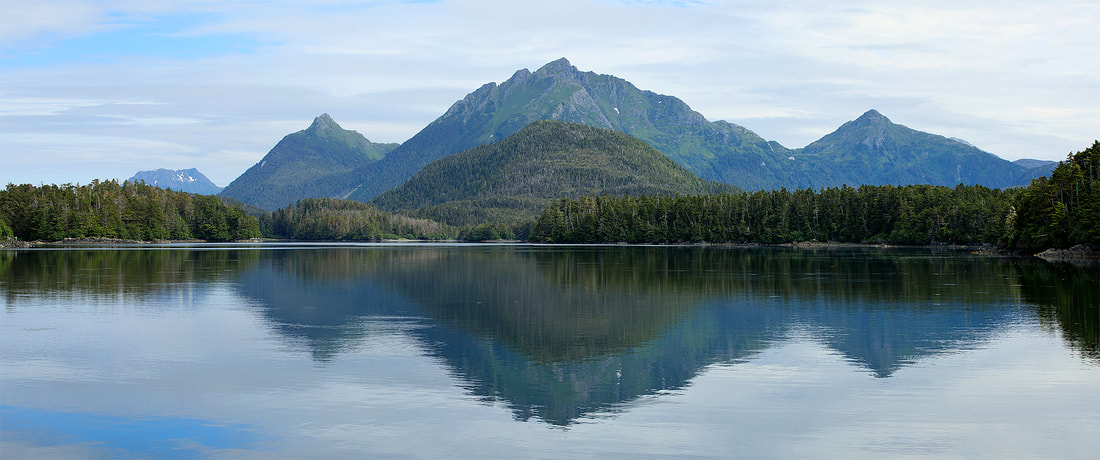 Almost immediately, setting out on the water, we were blown away by the jaw-droppingly beautiful scenery. The image above, is just one of the many incredible views we enjoyed of the mountains on Chicagof Island. This is just to whet the appetite ... 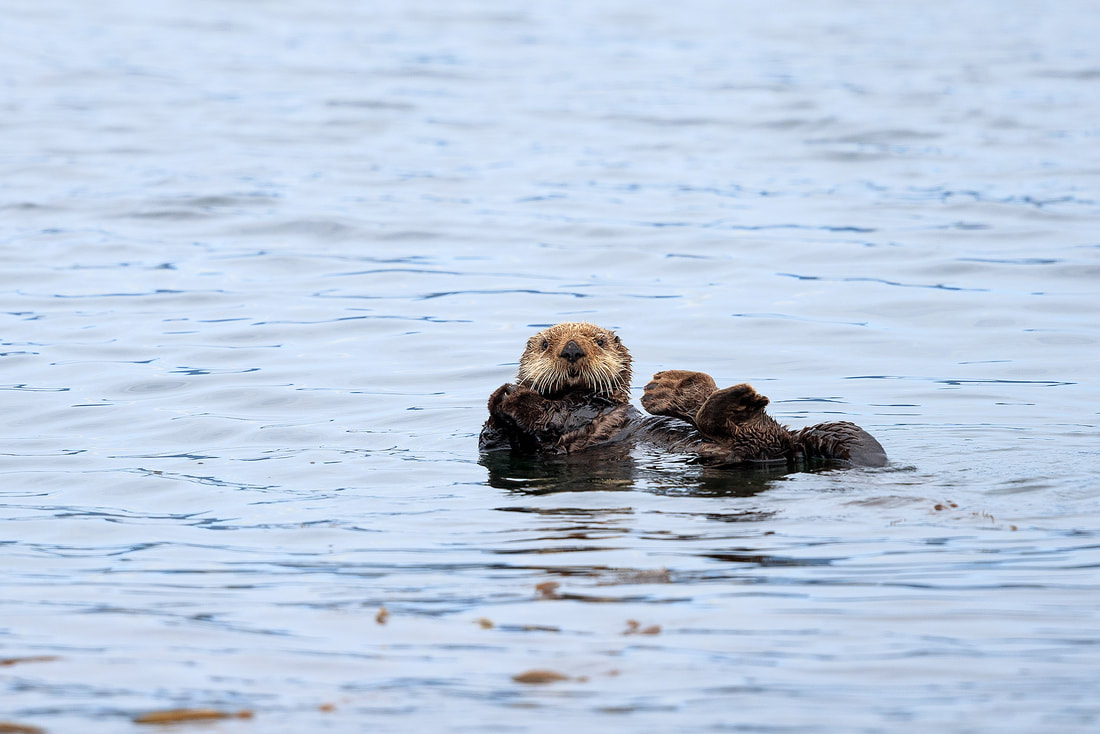 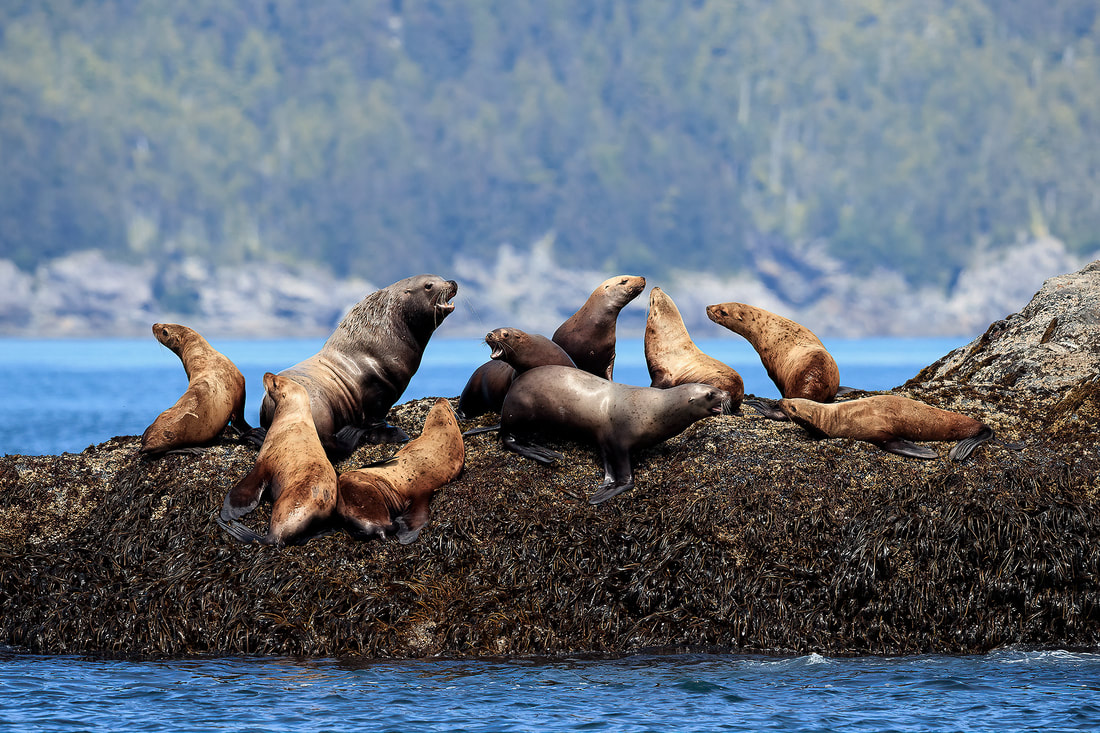 As I mentioned before, despite the cetaceans of the region being the obvious draw, other marine mammals to put on a show included sea otter (in fact we saw hundreds throughout our voyage) and plenty of Steller's sea lions too. 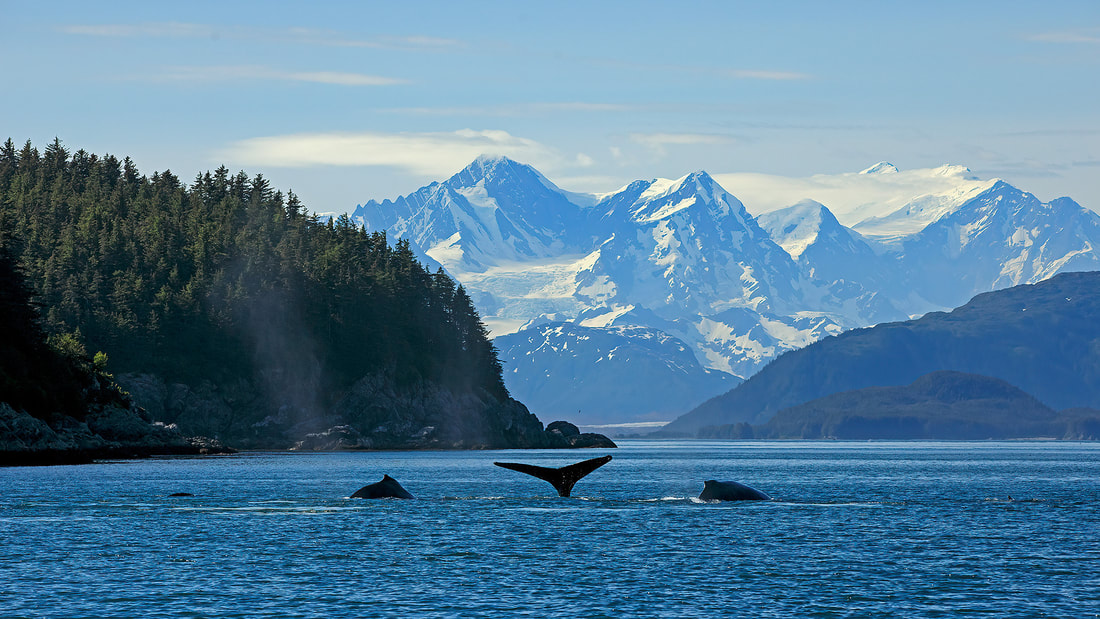 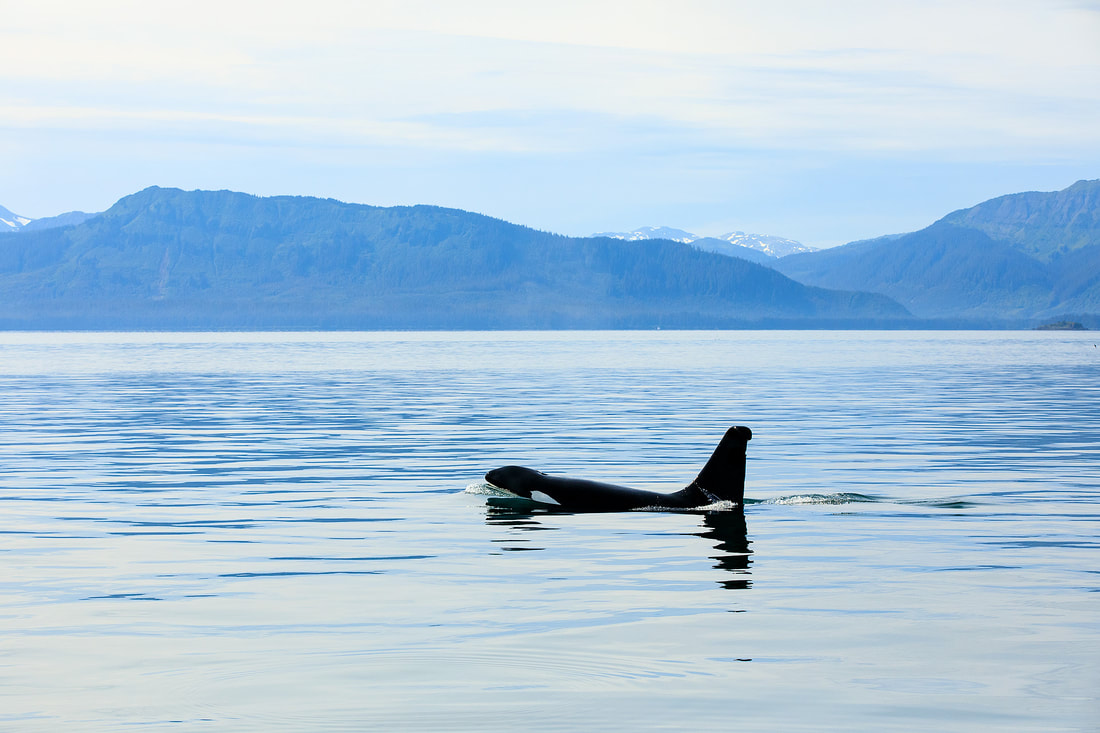 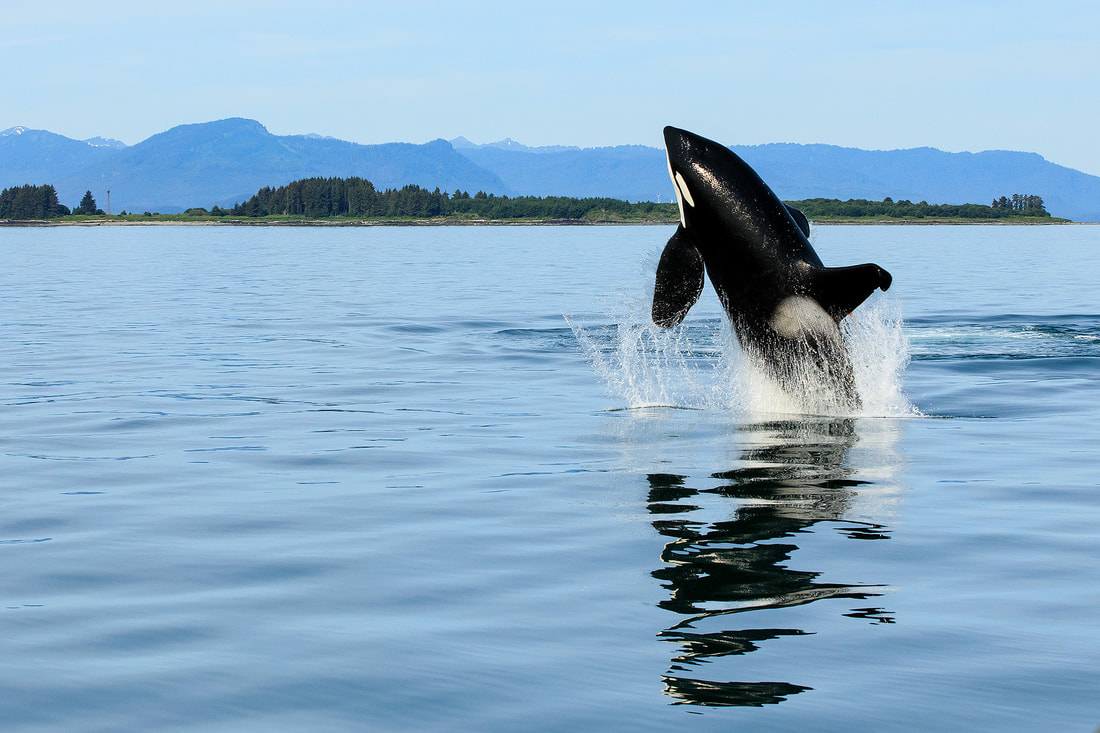 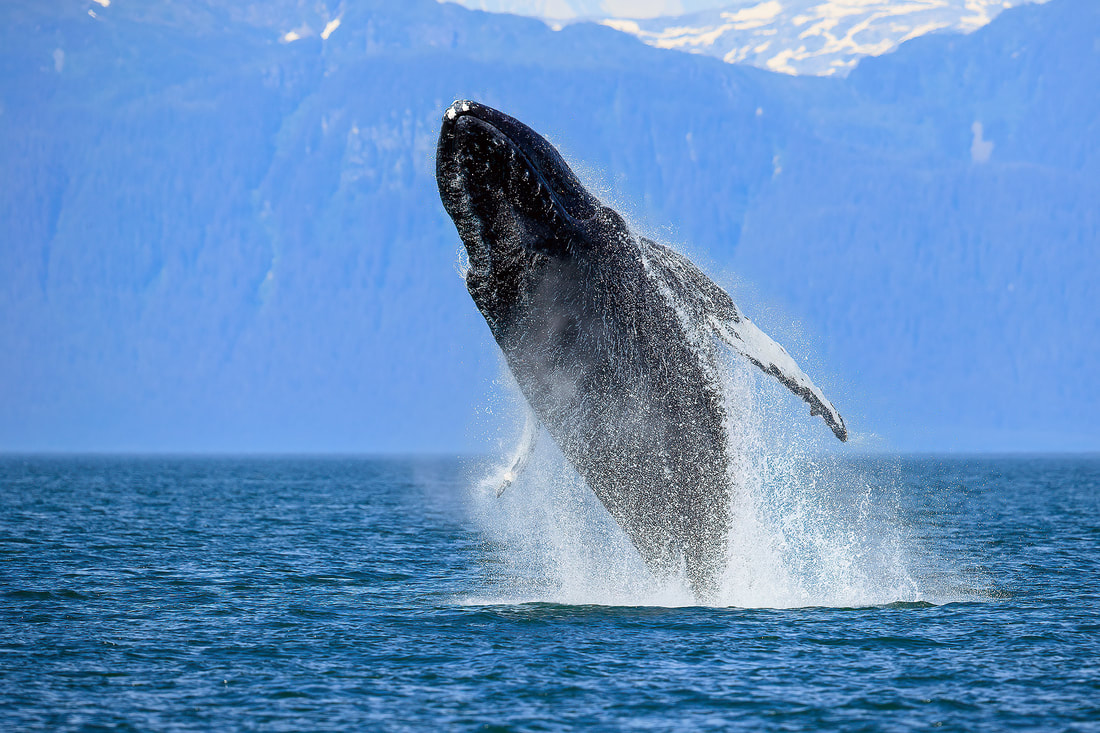 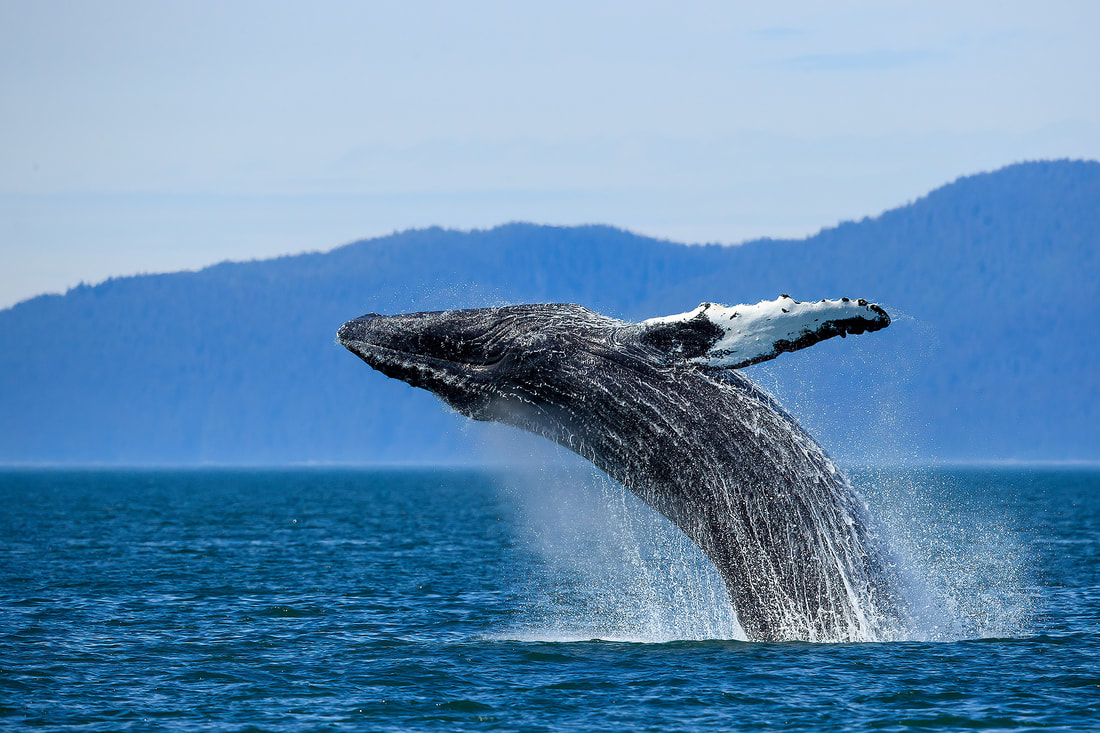 Within the first few days we had been treated to some truly exceptional encounters with countless humpbacks, a pod of transient orca (including a successful porpoise hunt) and both species of porpoise. However, it was the four or five days after that really took it to another level. 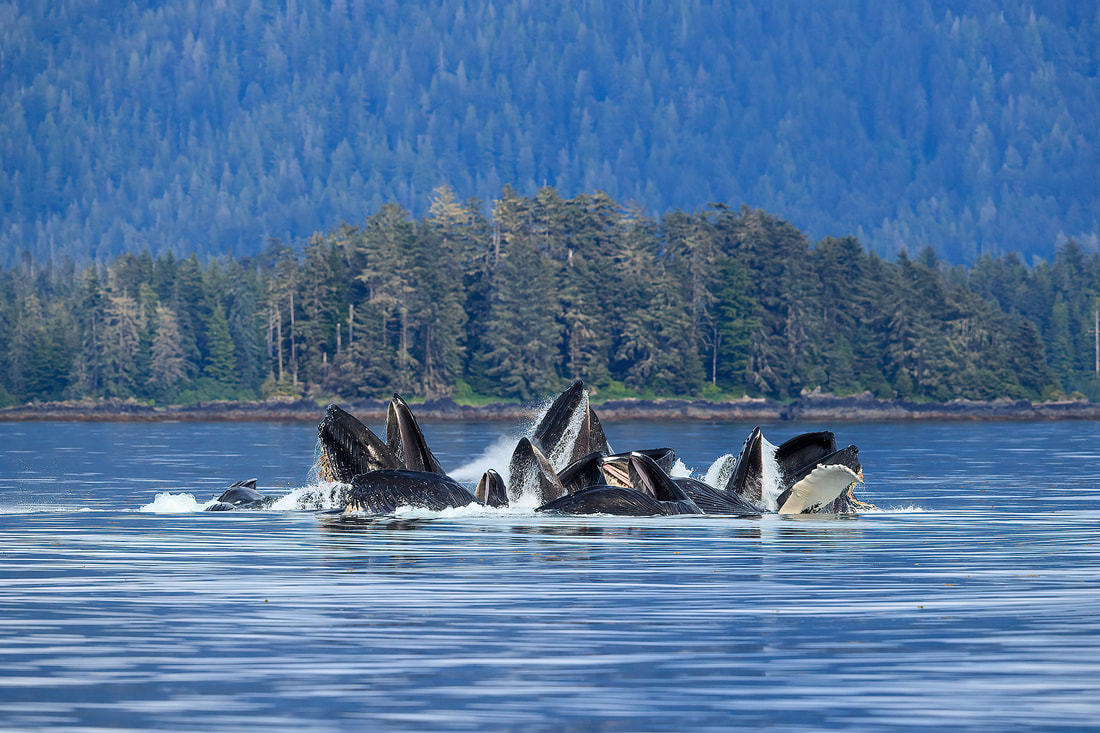 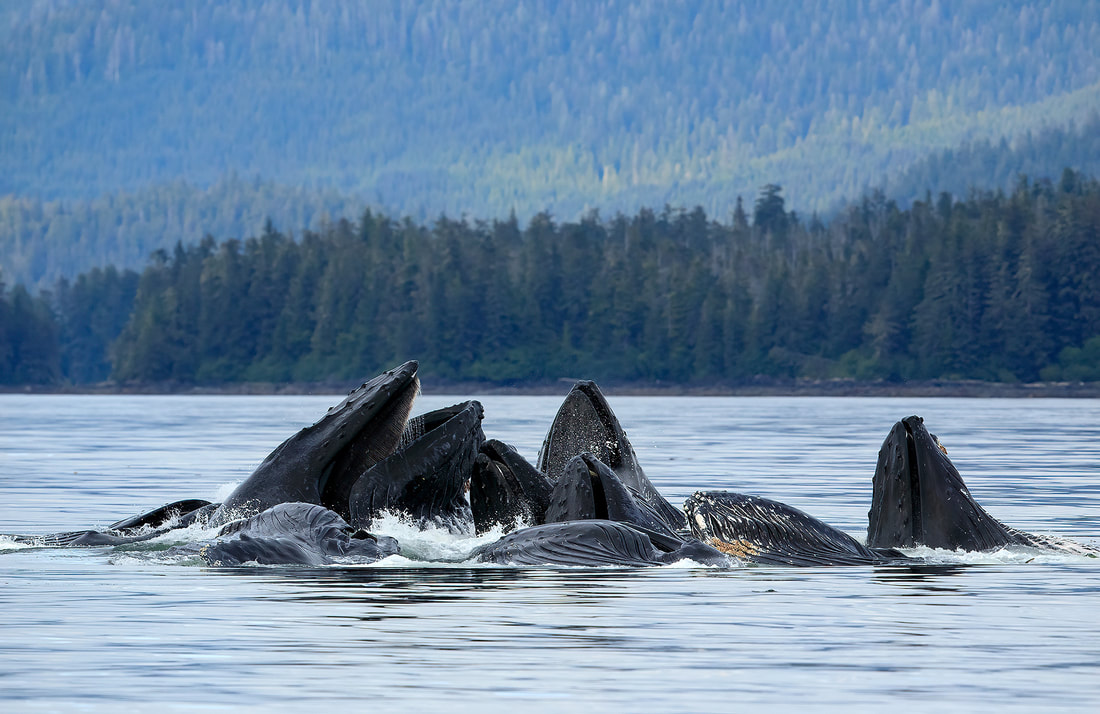 We were treated to some mind-blowing behaviour. We witnessed hundreds of bubble-net feeding events. This is where a group of whales come together, with one lead whale blowing a ring of bubbles around a school of herring, before instructing the other whales to lunge in unison towards the bait ball at the surface. Not only is this a magical sight to see, but it is also one of the most remarkable things to hear. The lead whale calls as it blows the ring of bubbles, slowly forcing the fish into a tighter ball, before changing its call for the feeding frenzy. This call is audible when on the boat, as the sound resonates through the hull. Even now it gives me goosebumps just thinking back to it. 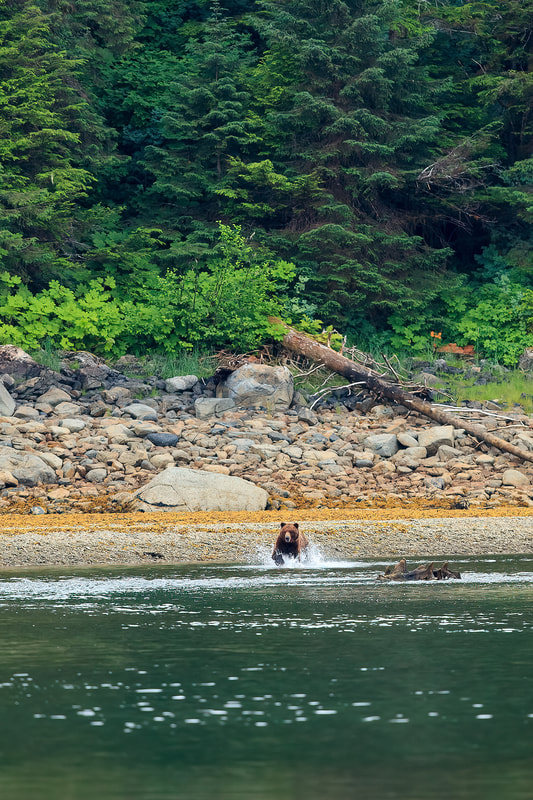 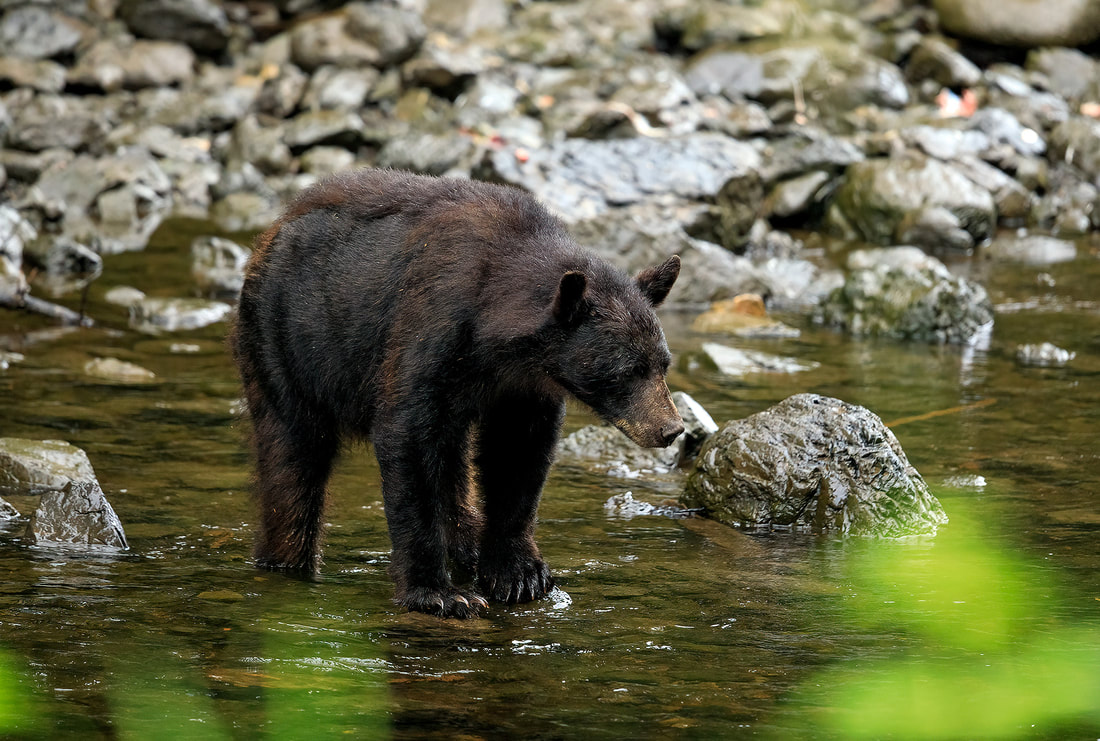 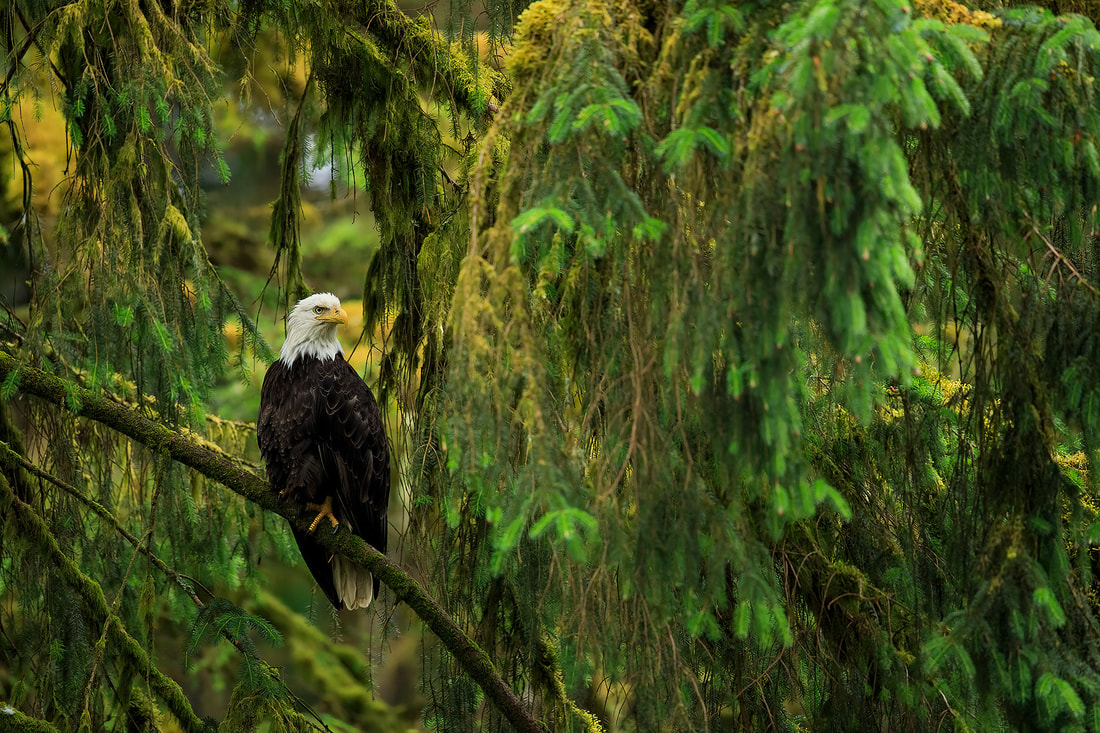 We were also able to enjoy a couple of days enjoying the wildlife on shore around the small community of Kake on the island of Kupreanof. Here we were able to spend time at a salmon hatchery which was great for watching black bears as they tried their hand at fishing. Always watching on, looking for an easy meal, were the bald eagles, while other highlights included porcupine, deer and Pacific marten. 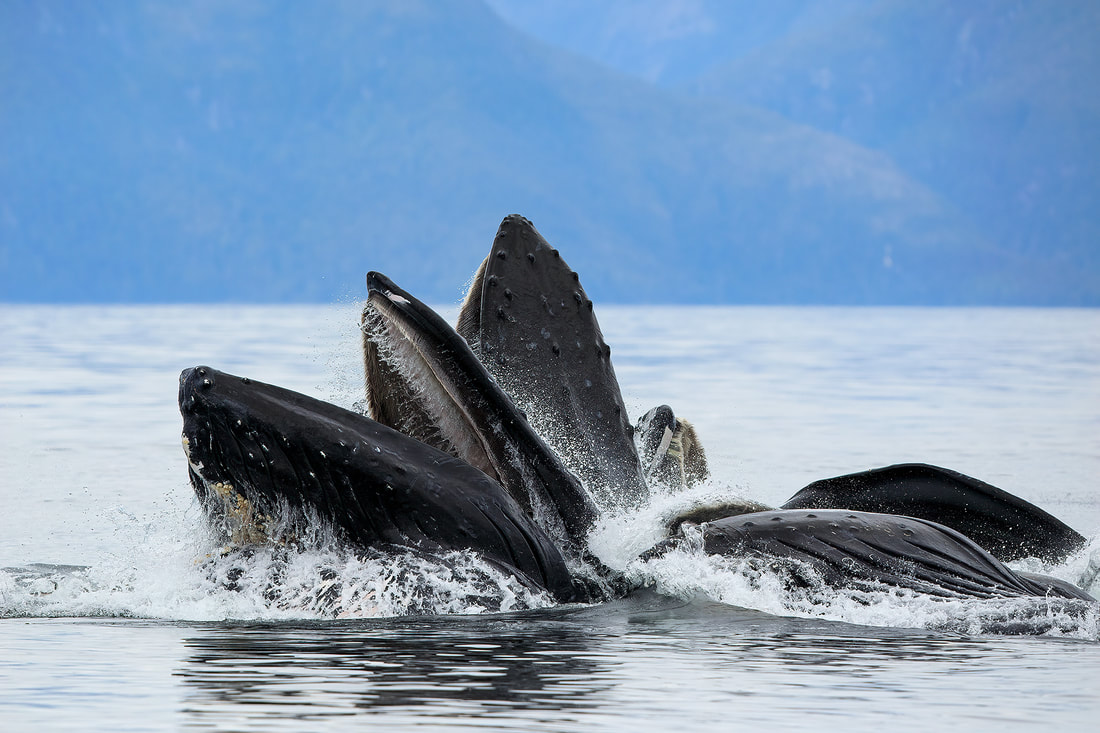 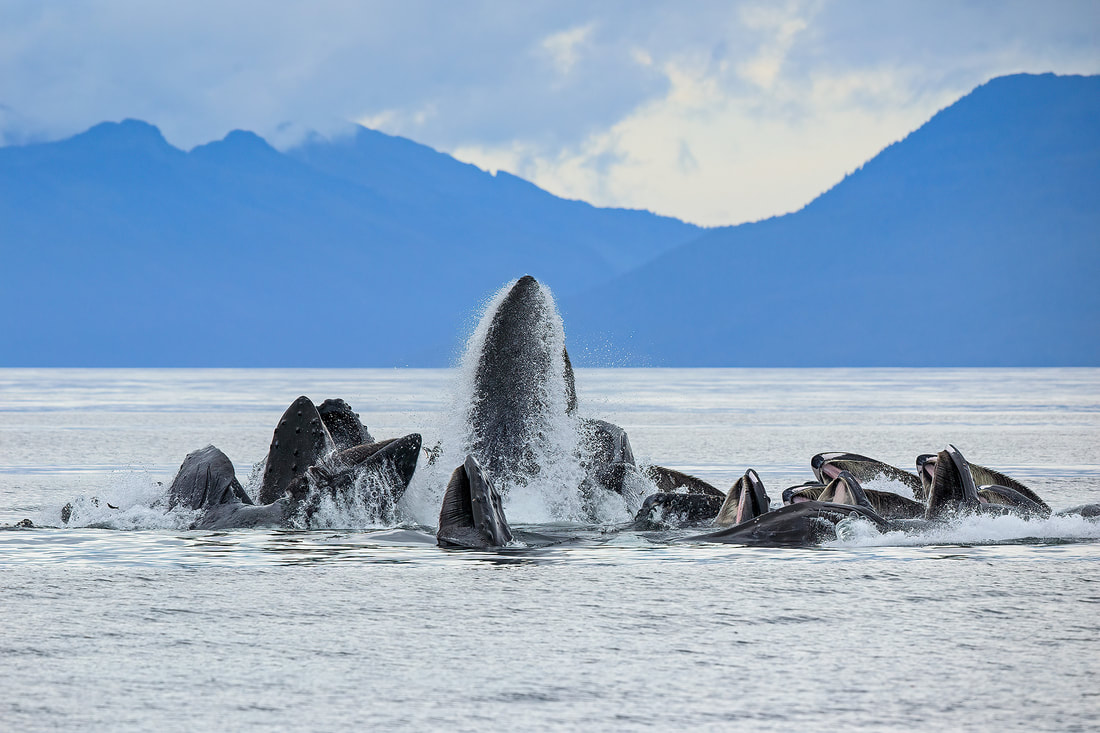 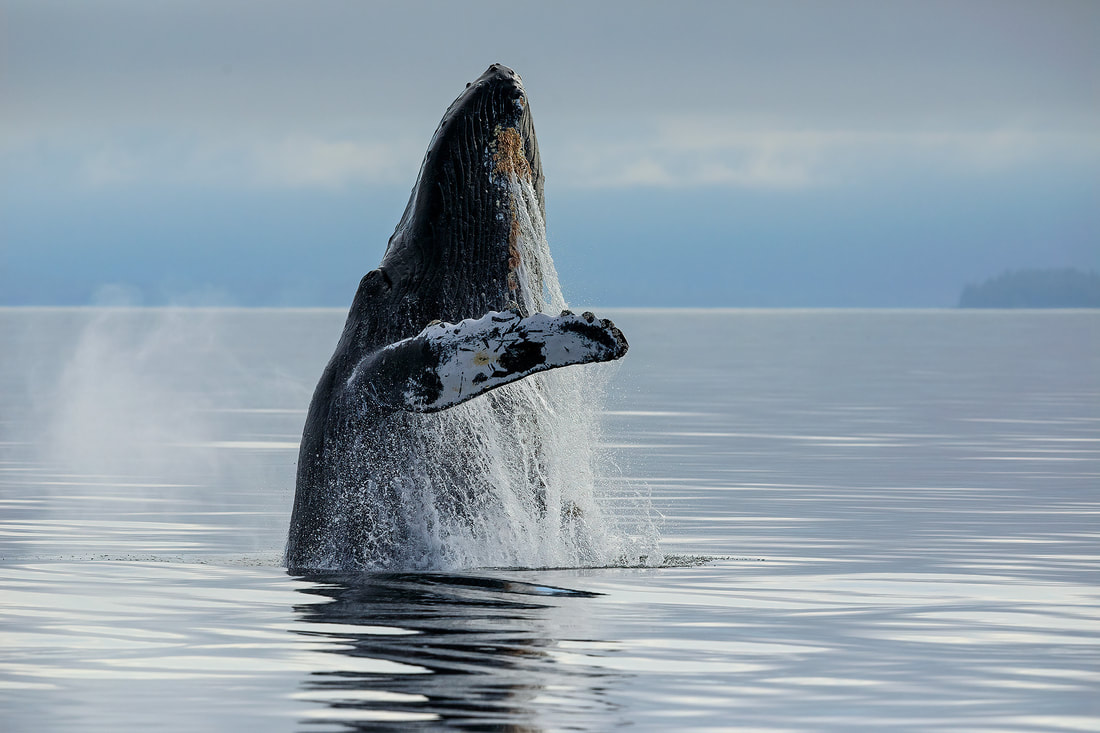 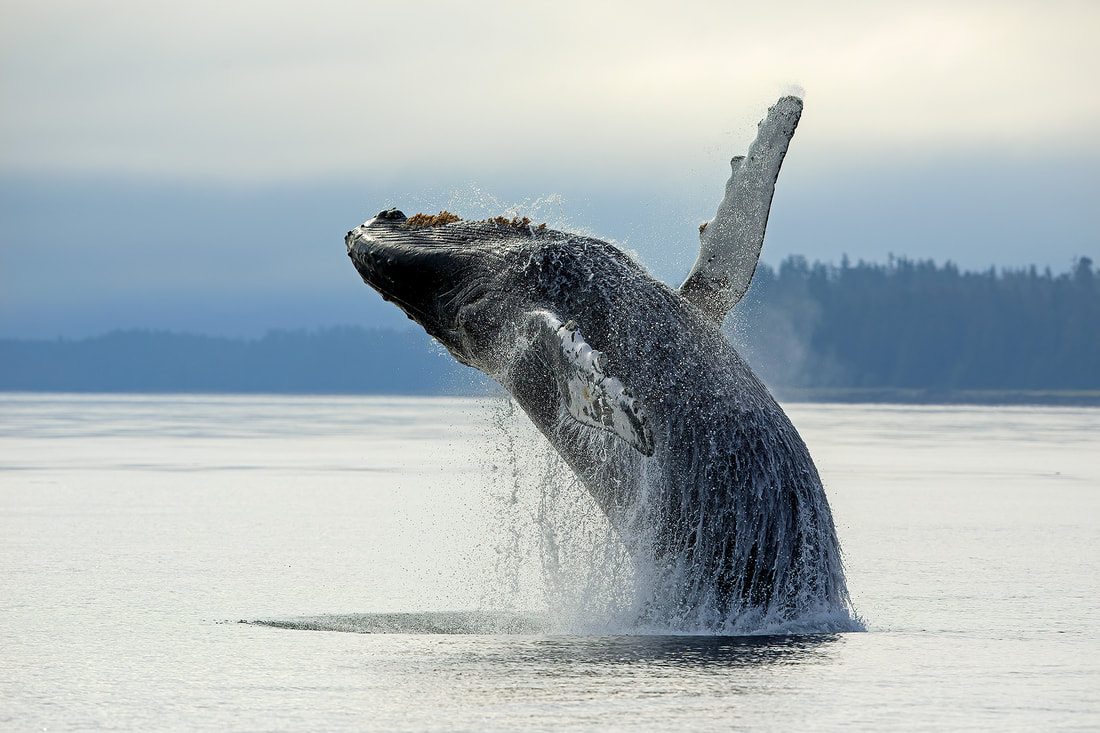 The whale action didn't stop after our stay in Kake. In fact, you might say that the best was yet to come. We saw even more whales bubble-net feeding, with one event having more than twenty different whales take part. It was jaw-dropping. One of those moments where you feel the need to pinch yourself to ensure you aren't dreaming. We also had a whale breach over and over and over. What a sight.
We spent two weeks exploring the waters of this stunning part of Alaska. Constantly blown away by the magnificent scenery, welcoming people and of course the wildlife. If you would like to experience this for yourself, I can't recommend the trip enough. You can find out more and book your place here. I have been photographing in Finland for the past 10 years and absolutely love being in the purpose-built hides set within the boreal forests. This remote region of eastern Finland, along the border with Russia, is home to some of Europe's most elusive wildlife including brown bear, grey wolf and even wolverine. I was delighted to lead back-to-back photography tours for Wildlife Worldwide staying at the isolated Kuikka Base Camp. Here are a few highlights from the time I spent in the hides with my dedicated and patient clients. Long hours and vigilance paid off with some stunning photography opportunities - particularly of wolf. 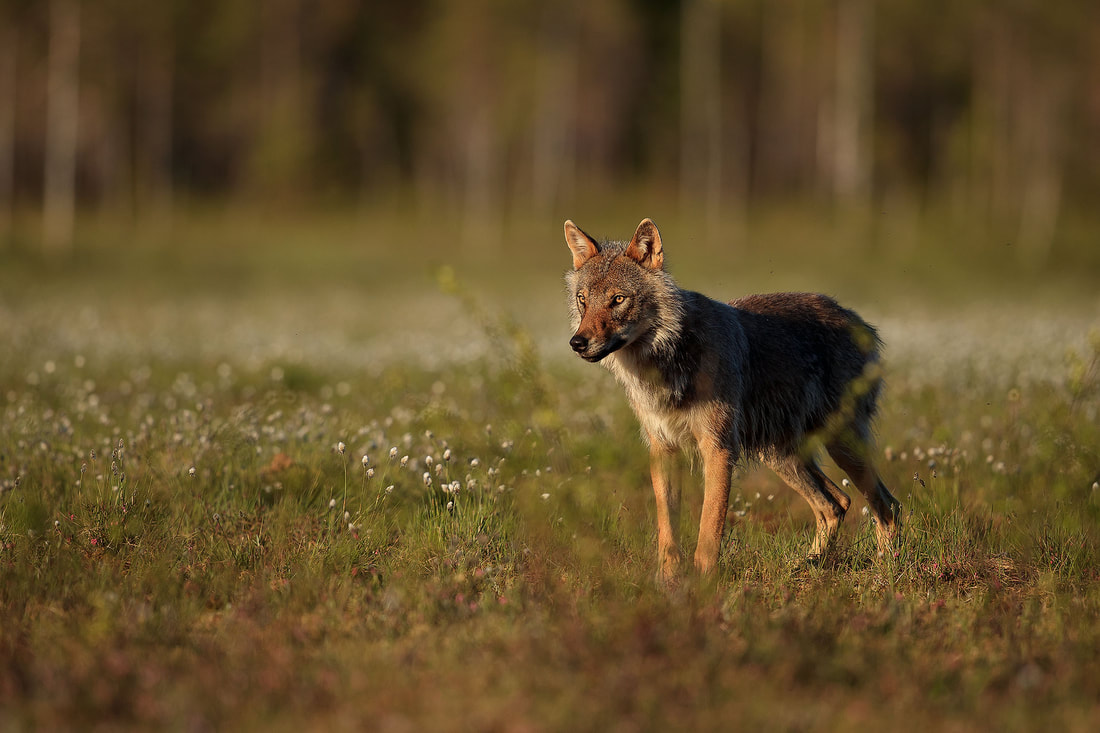 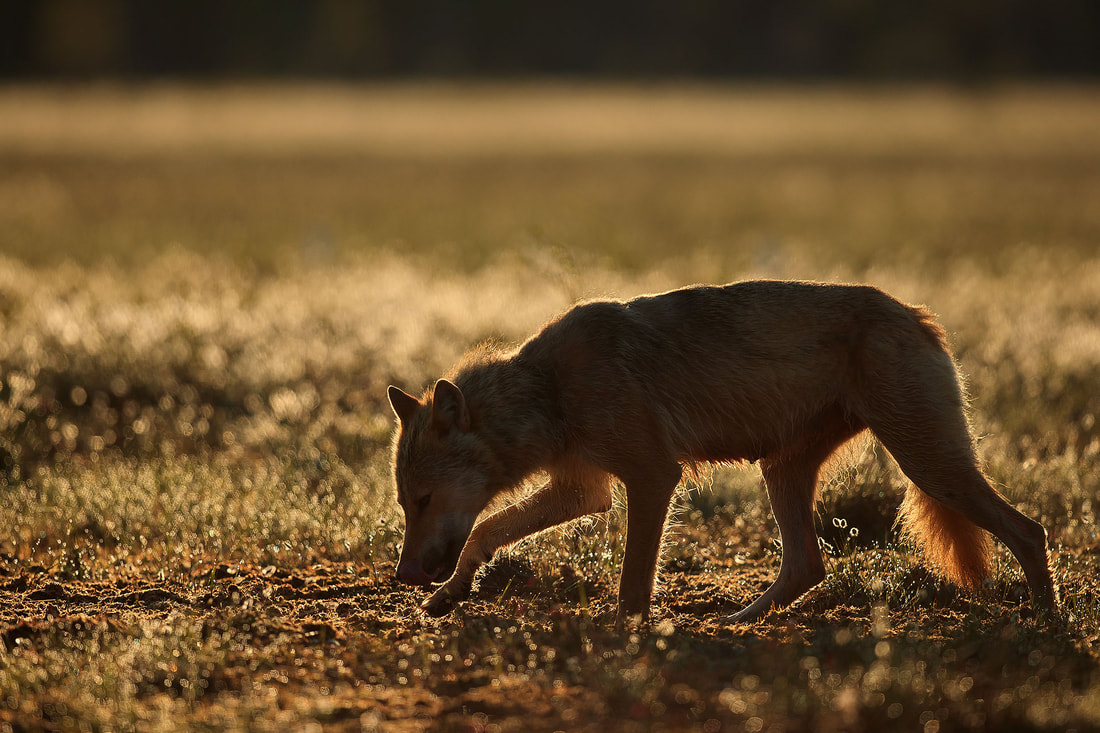 As well as the wolves we were treated to excellent views of the increasingly rare wolverine as well as a young bear. It seemed that the bears mating season was running late this year and so we struggled to see as many as we would usually expect. 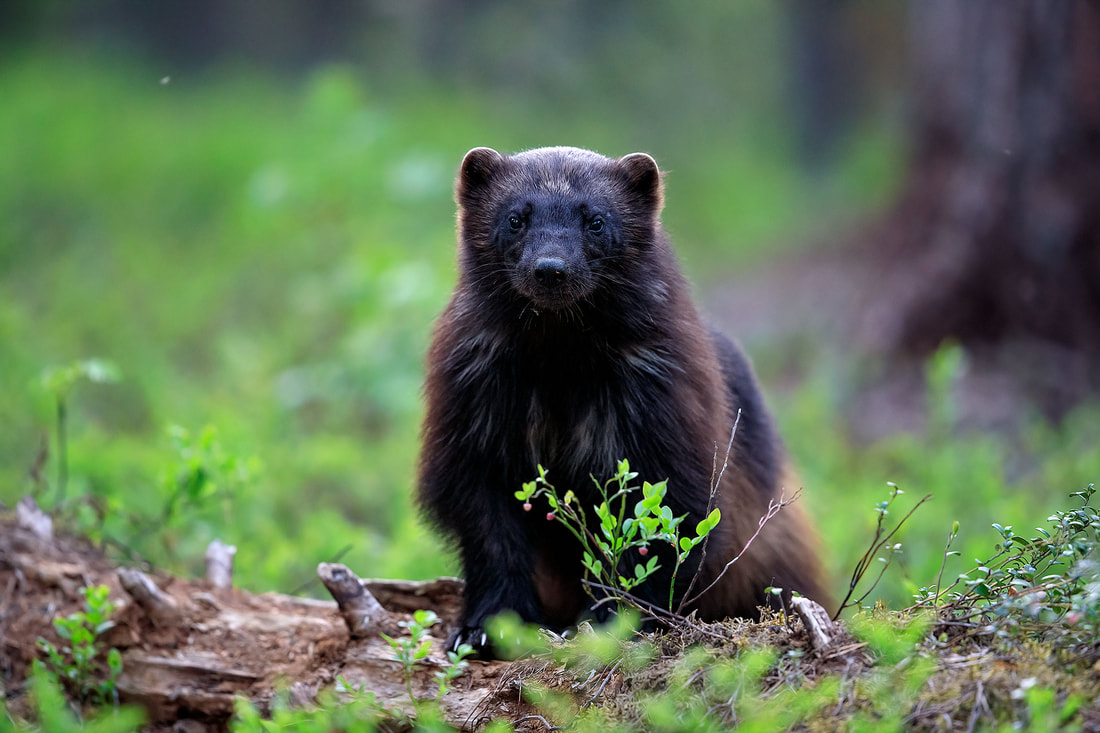 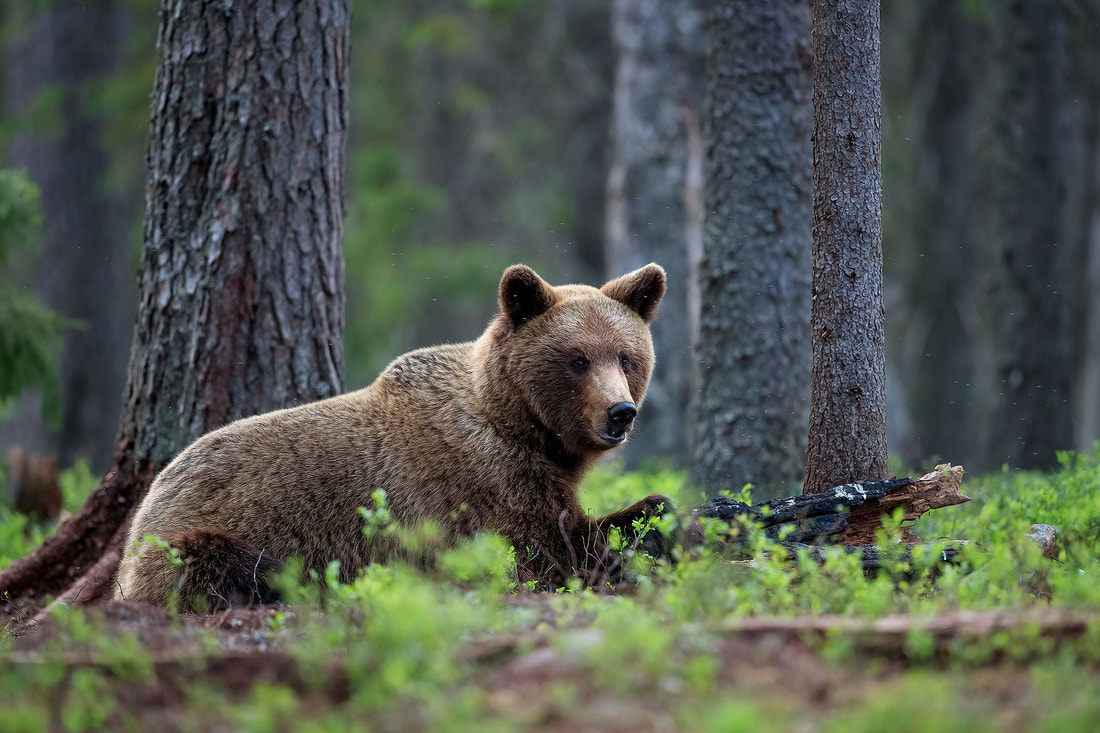 The wolves were the real stars of the show and we really did have some memorable moments as they came incredibly close to the hides. 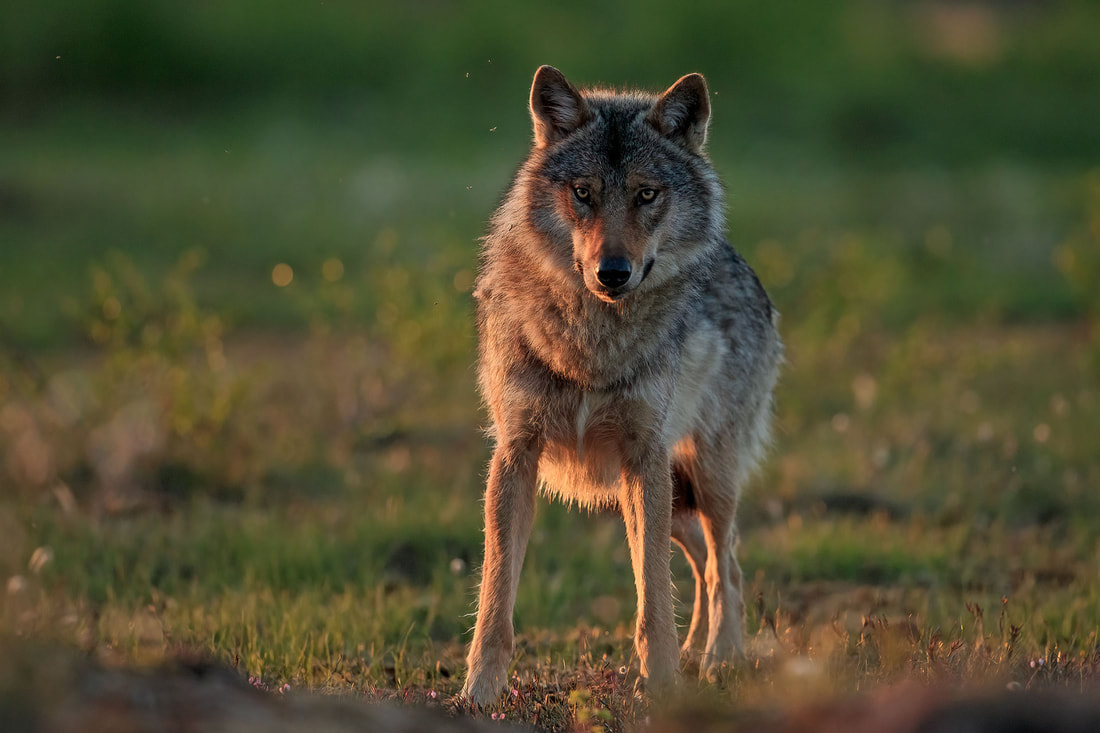 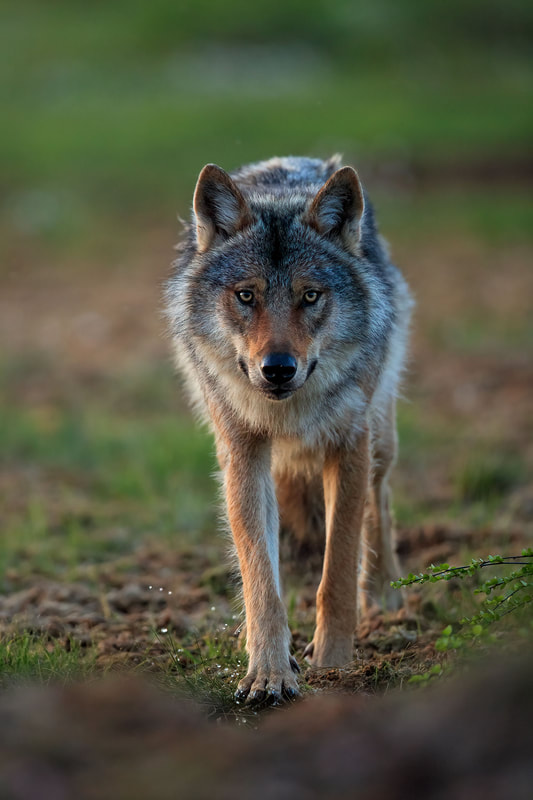 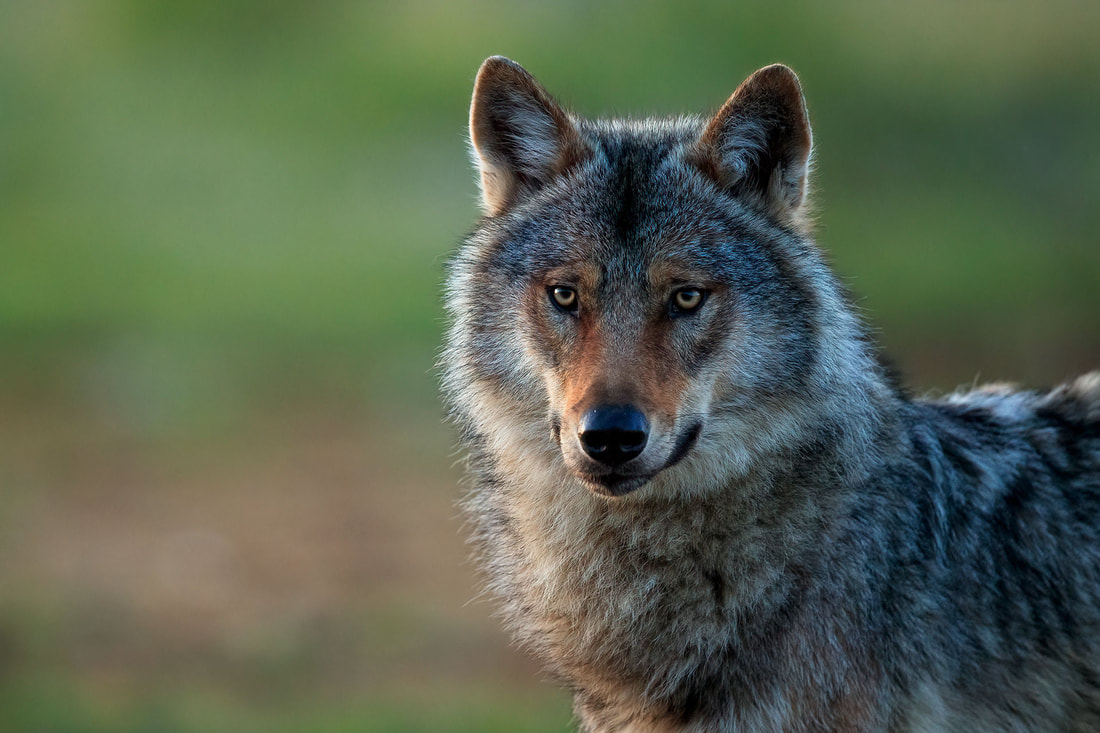 Keep your eyes peeled for the next blog to enjoy more images of Europe's apex predators in the wilds of Finland's stunning taiga.
I haven't been back to India since 2019 - primarily due to Covid-19, but this year I was delighted to head back for a dedicated photography tour to Nagarhole National Park with Wildlife Worldwide. This is one of India's hidden gems and despite not being as well known as some of India's more illustrious parks, it offers some truly world-class wildlife encounters and for those that are patient enough, some excellent wildlife photography opportunities. Our group was spoiled with some memorable tiger sightings, several different leopards, gaur, deer and Asian elephant. It was a fabulous week in a beautiful part of the world, which for the time being is still relatively quiet. I hope you enjoy the photos. 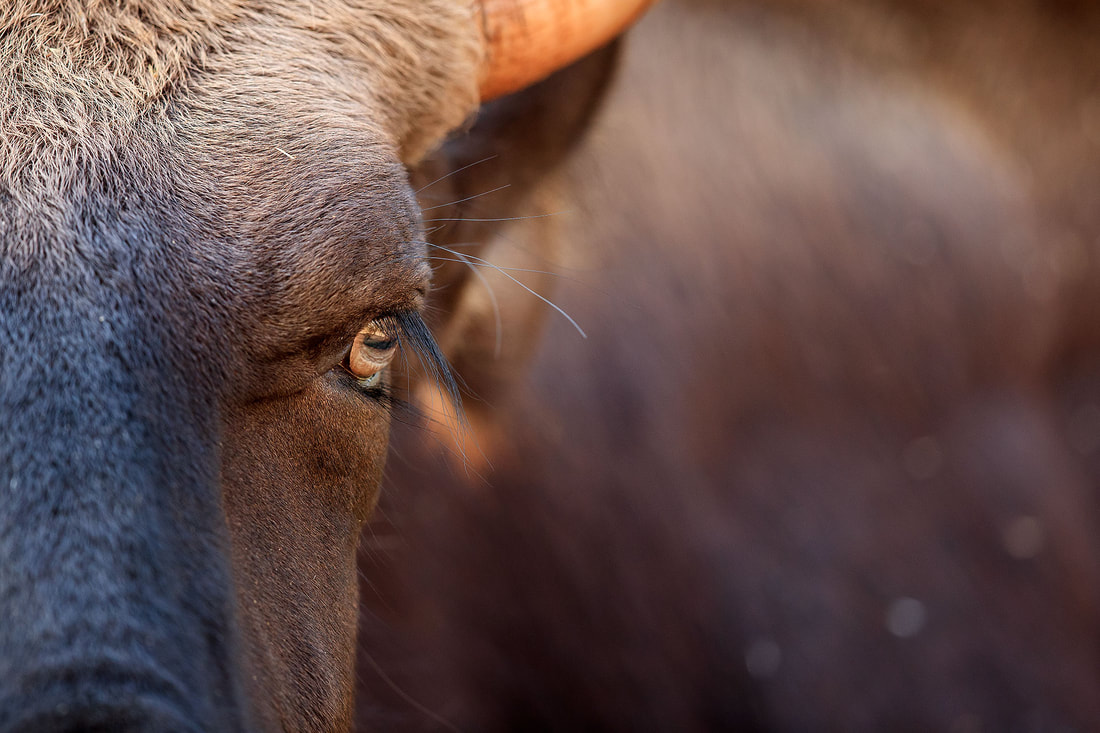 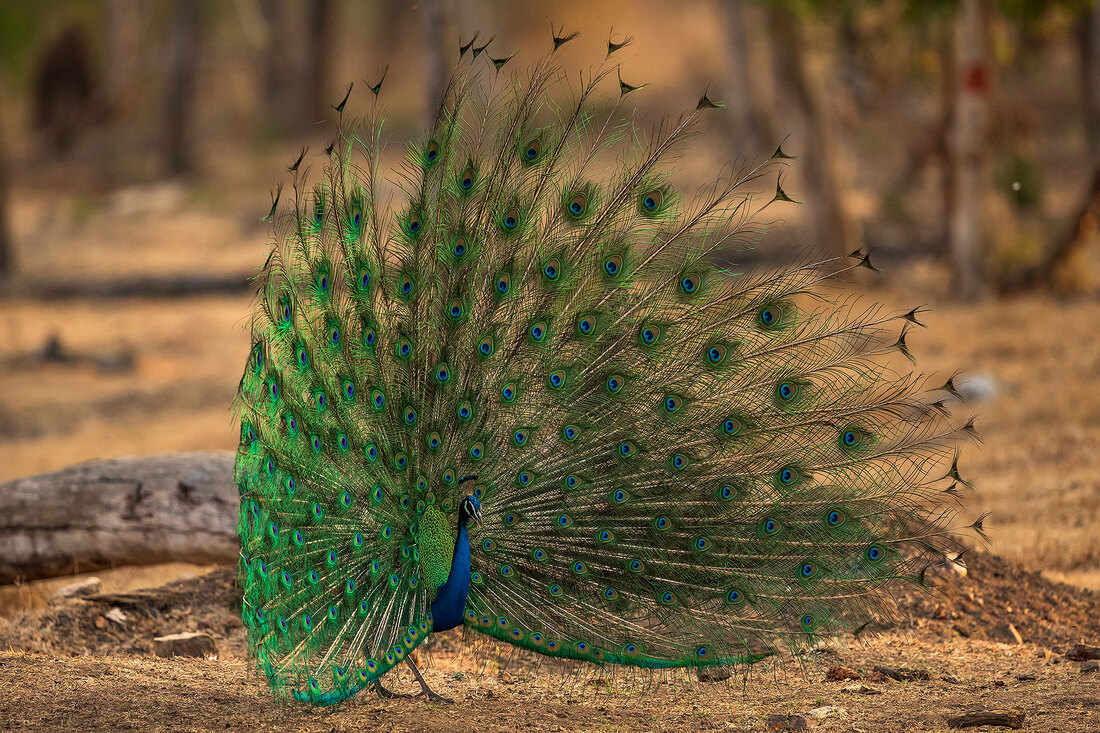 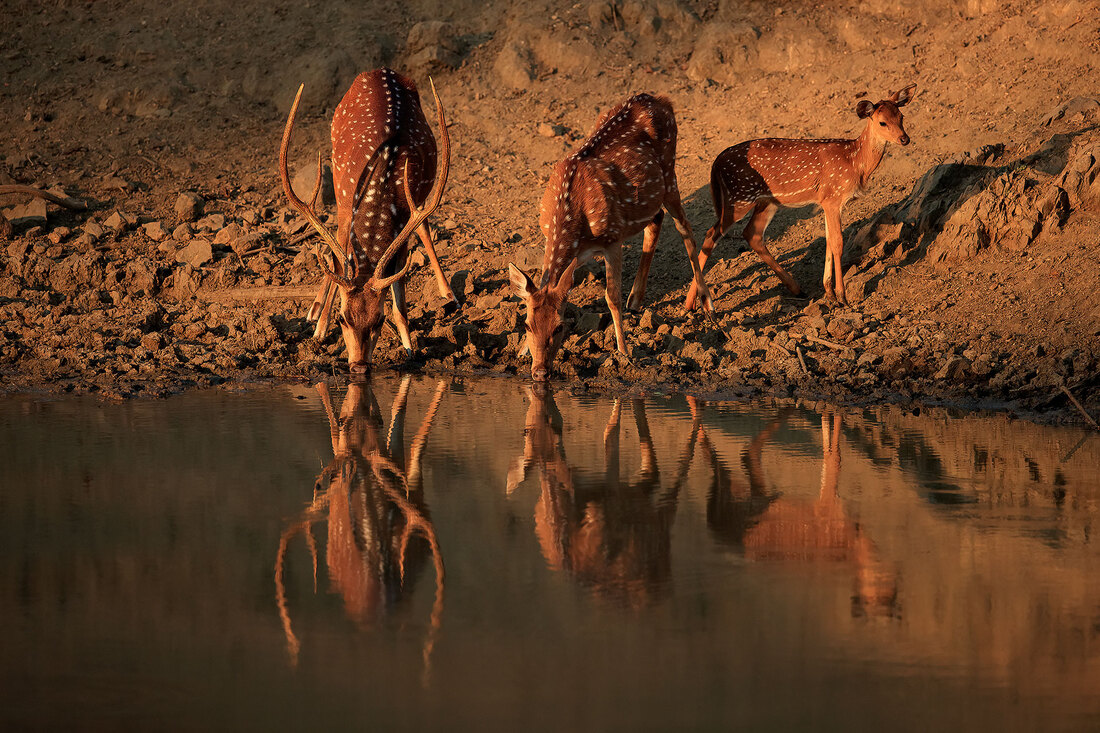 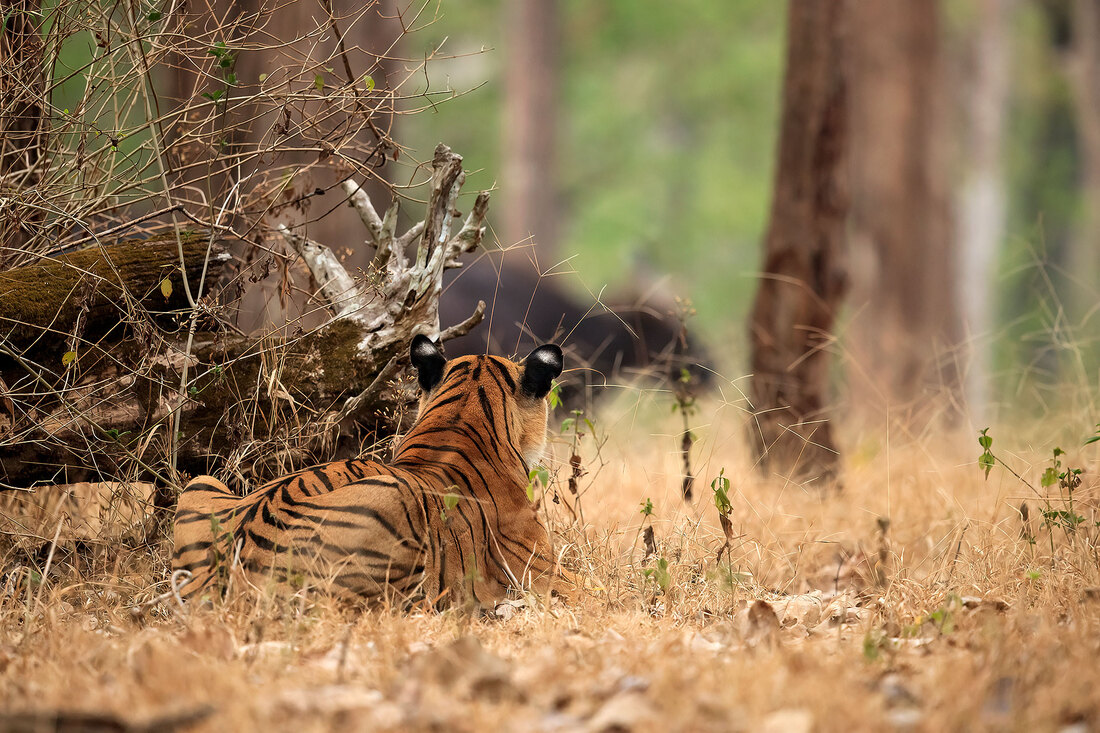 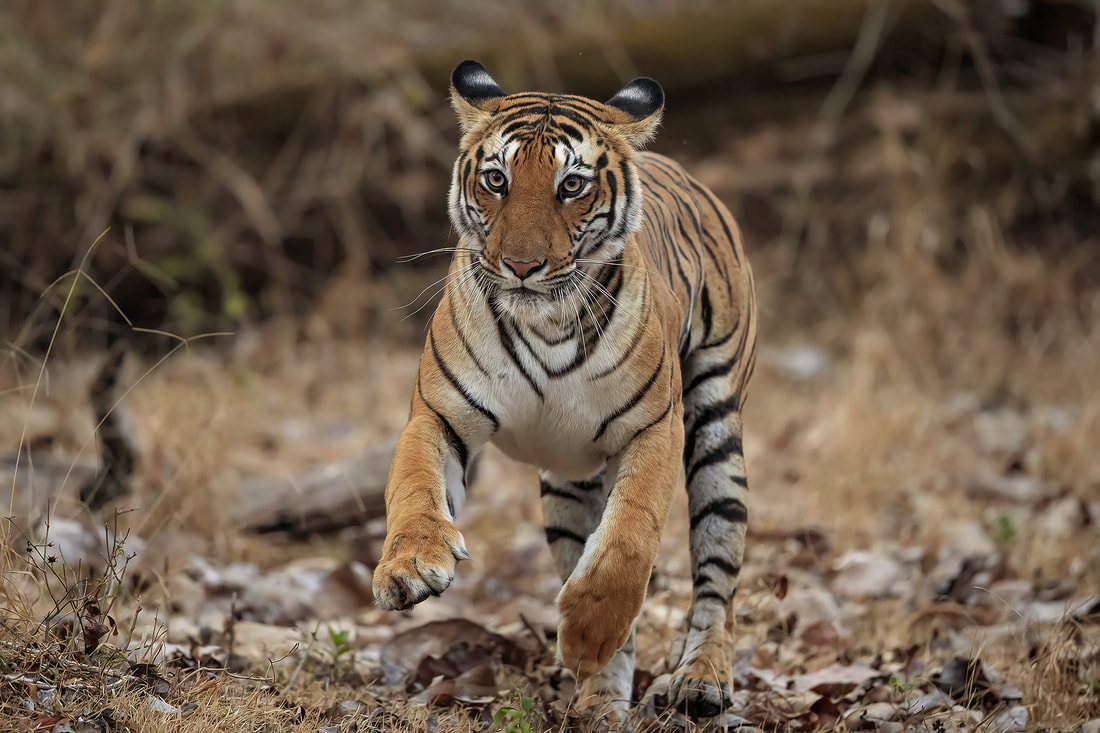 The best thing in Nagarhole is that you can be really lucky and enjoy your own, private sightings of the predators. Moments such as these are something to cherish and we had exclusive sightings of both dhole (Asiatic wild dog) and tiger. 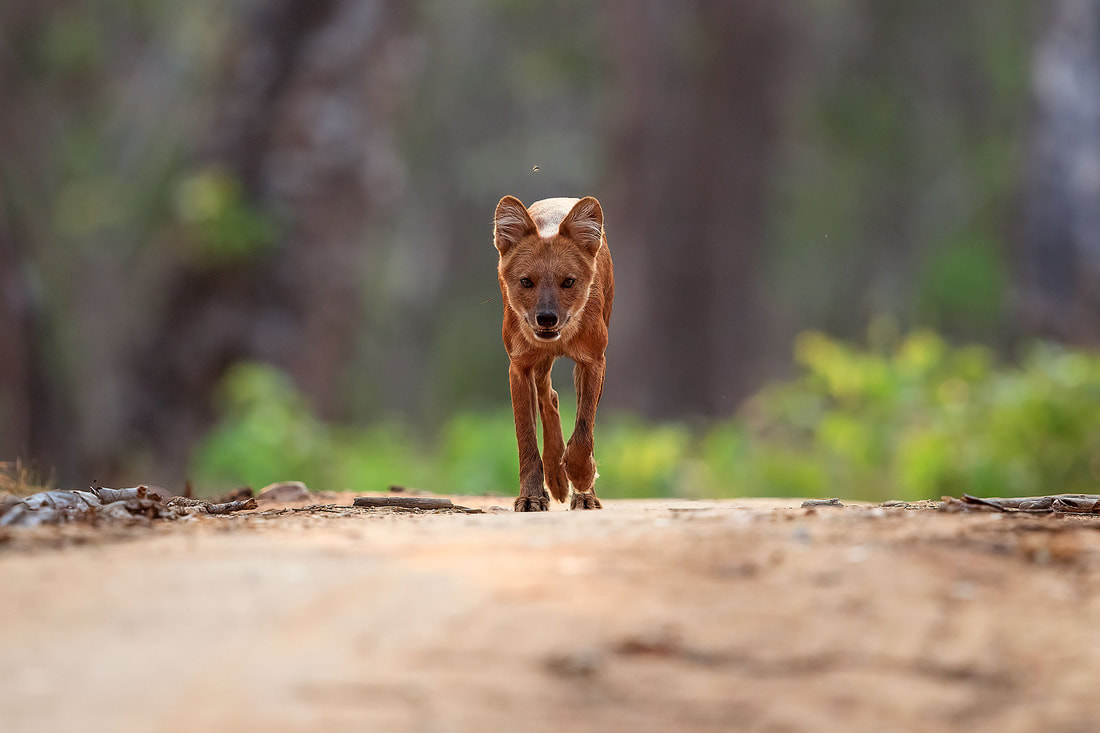 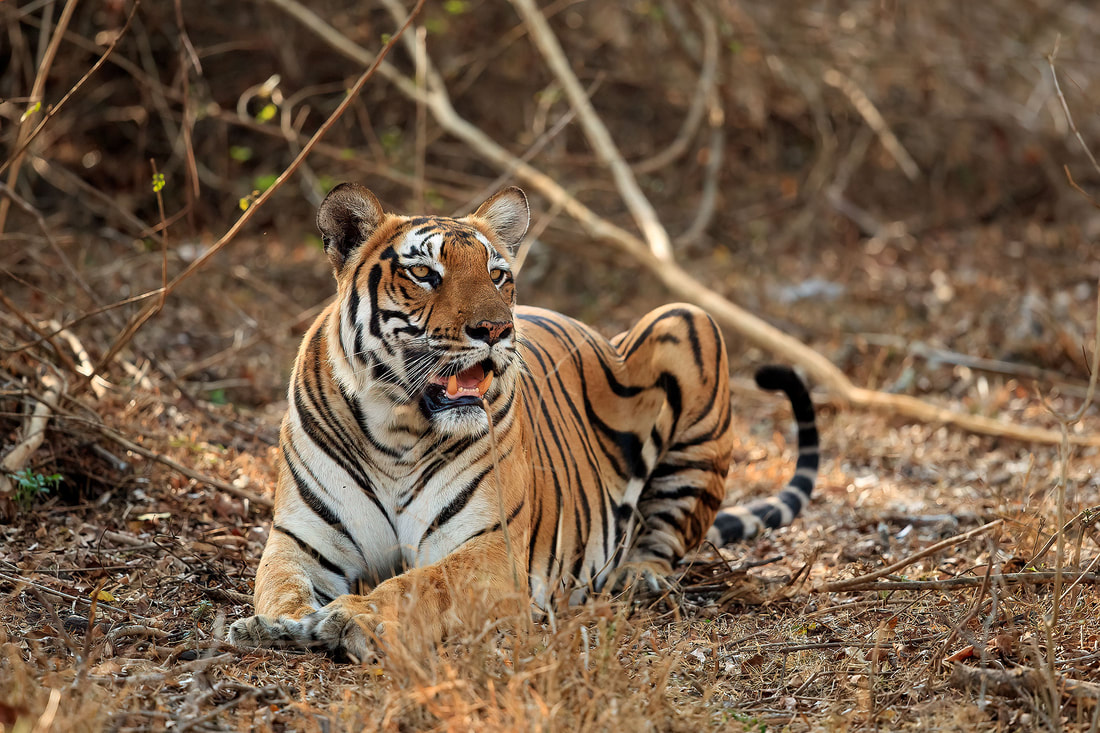 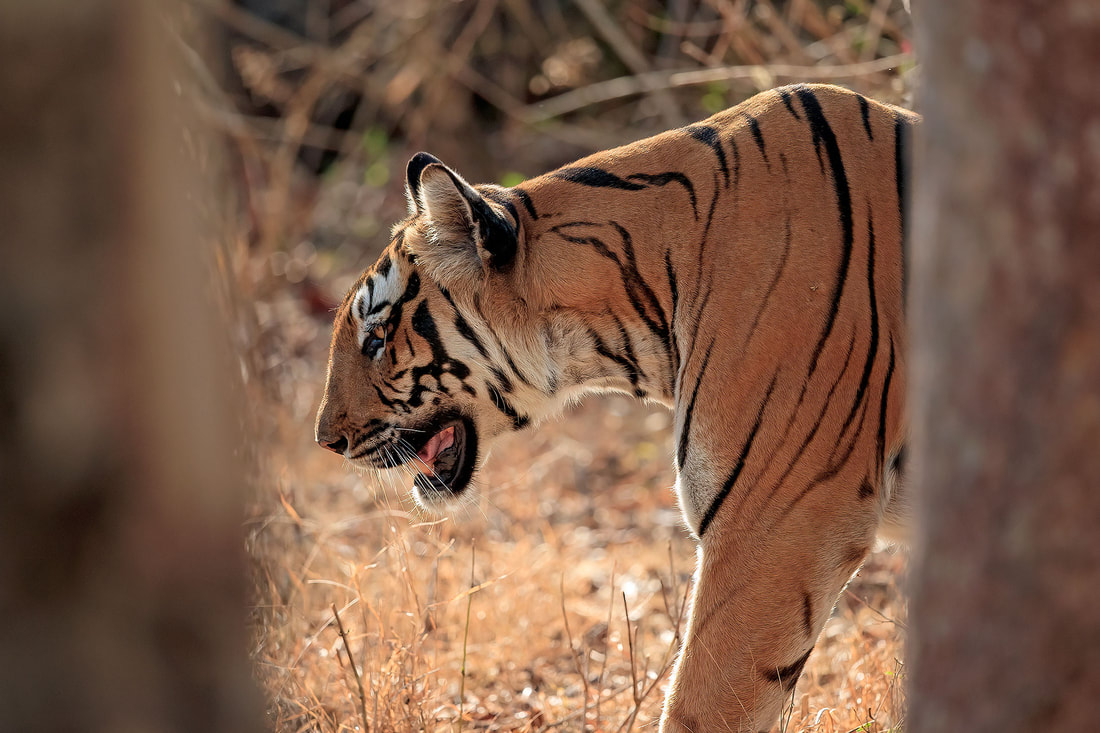 If you ever want to visit India, wanting to escape the crowds, I can't recommend Nagarhole National Park enough. Visit the Wildlife Worldwide website to find out more.
Back in March I was heading overseas once again, leading another photography tour to Iceland for Wildlife Worldwide. We were going to spend 5 days in the remote Horntstrandir Nature Reserve, in Iceland's remote north-west, focussing on the area's population of blue morph Arctic foxes. First, we had a night in Reykjavik, before flying up to the town of Ísafjörður the following morning. The only catch might be if our flight was delayed due to the weather. As we arrived in Ísafjörður, we were met by our host and local guide for the next 5 days. We had a bit of time before our boat across to Kviar Lodge, and so the group were able to grab a cake and a coffee. It wasn't long before we were climbing aboard the vessel that would take us across the fjord and we were then on our way. Upon our arrival at Kviar, we had a strong wind whipping up snow, but we were soon ashore and started to haul our luggage and supplies up to the house. With foxes already showing, it was time to head out with our cameras and embrace the blizzard conditions for some challenging, but incredibly rewarding photography. 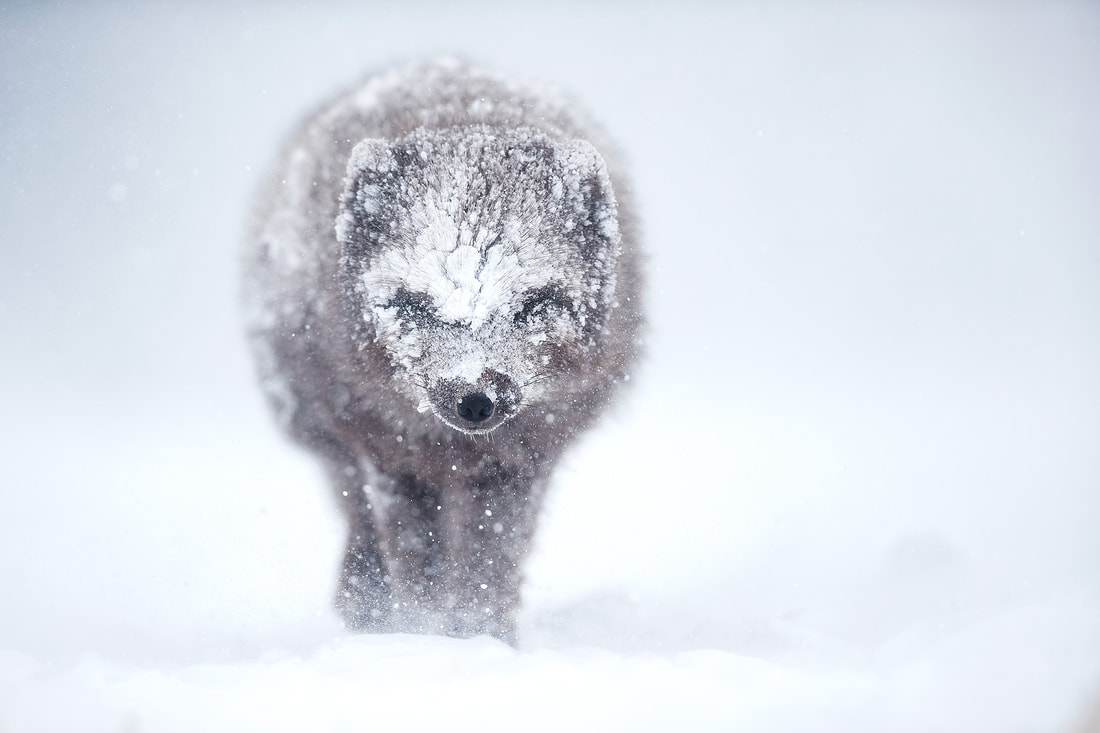 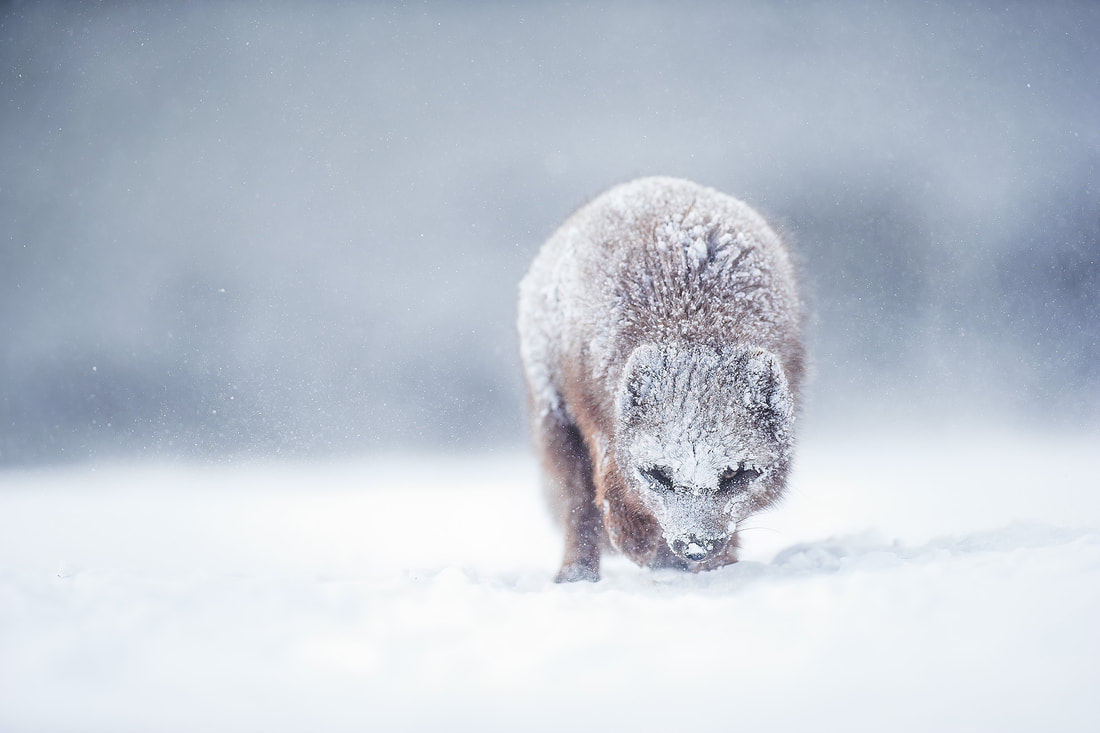 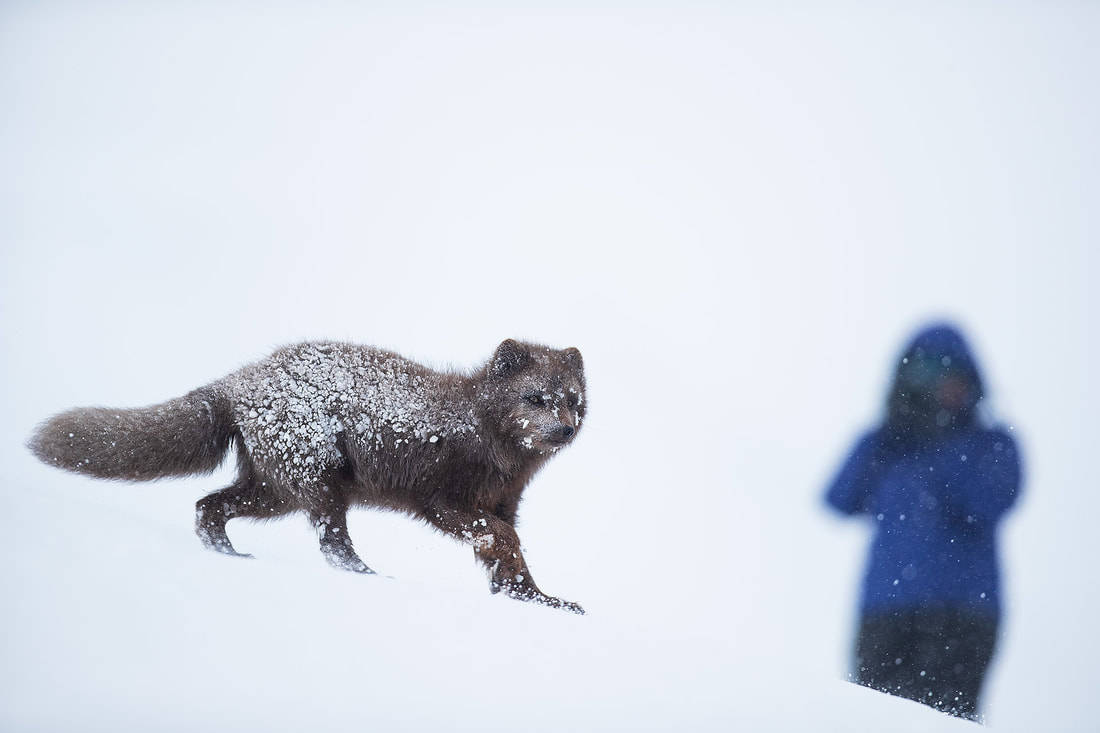 Over the next few days we enjoyed some truly exceptional photography opportunities with several different foxes. We were able to build up an impressive portfolio of images with some incredibly varied weather. It was the perfect few days to be out in this area of wilderness, just alone with the foxes and eider ducks. 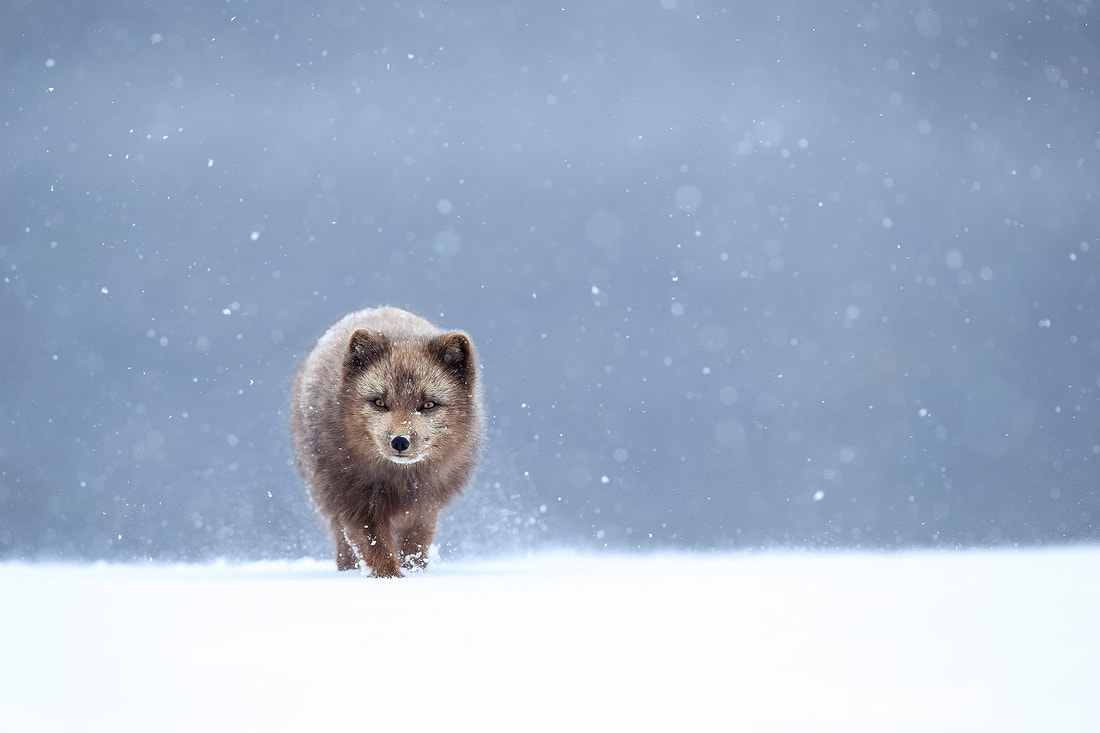 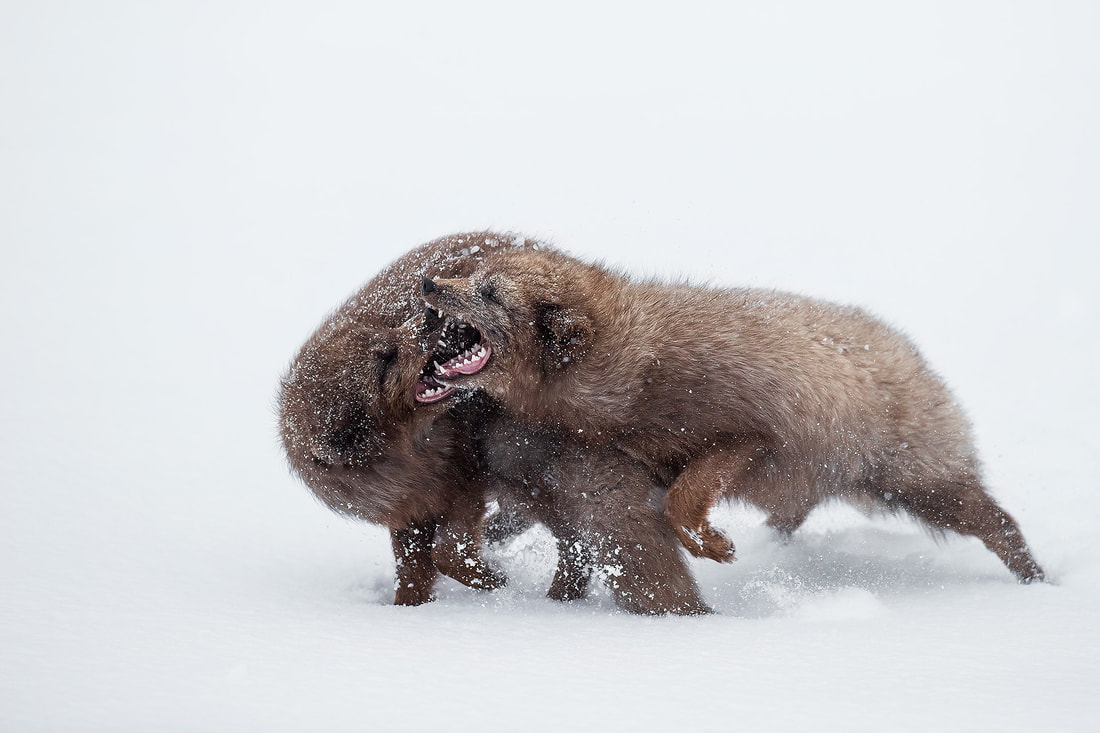 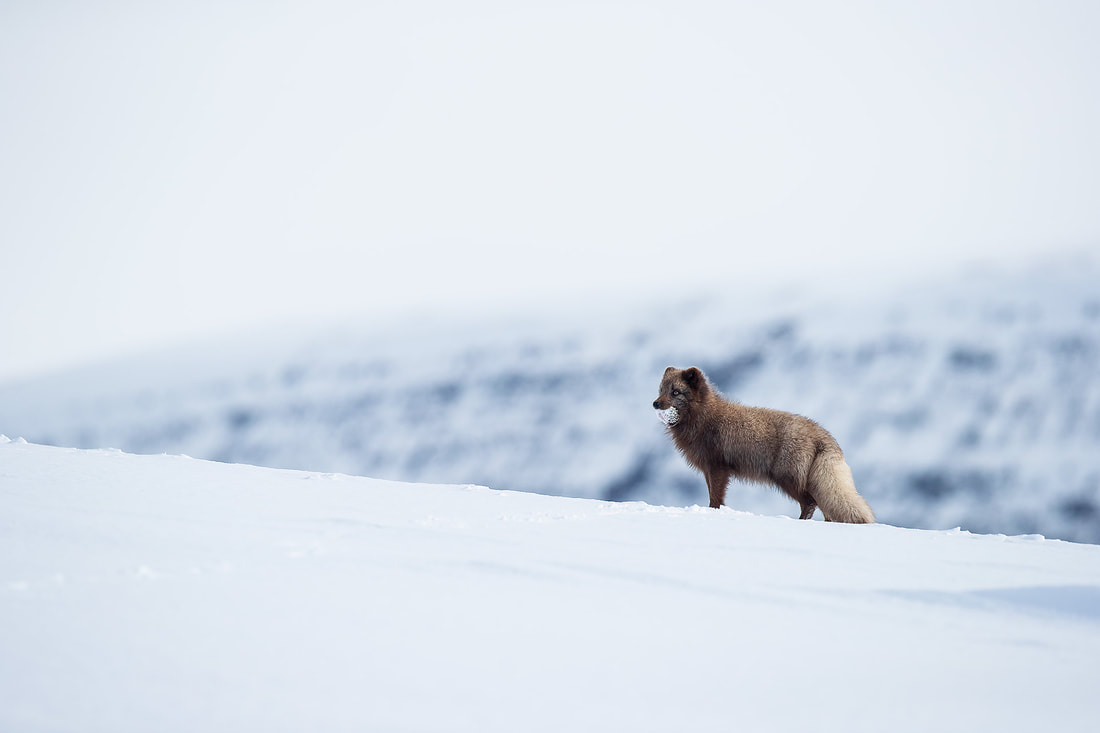 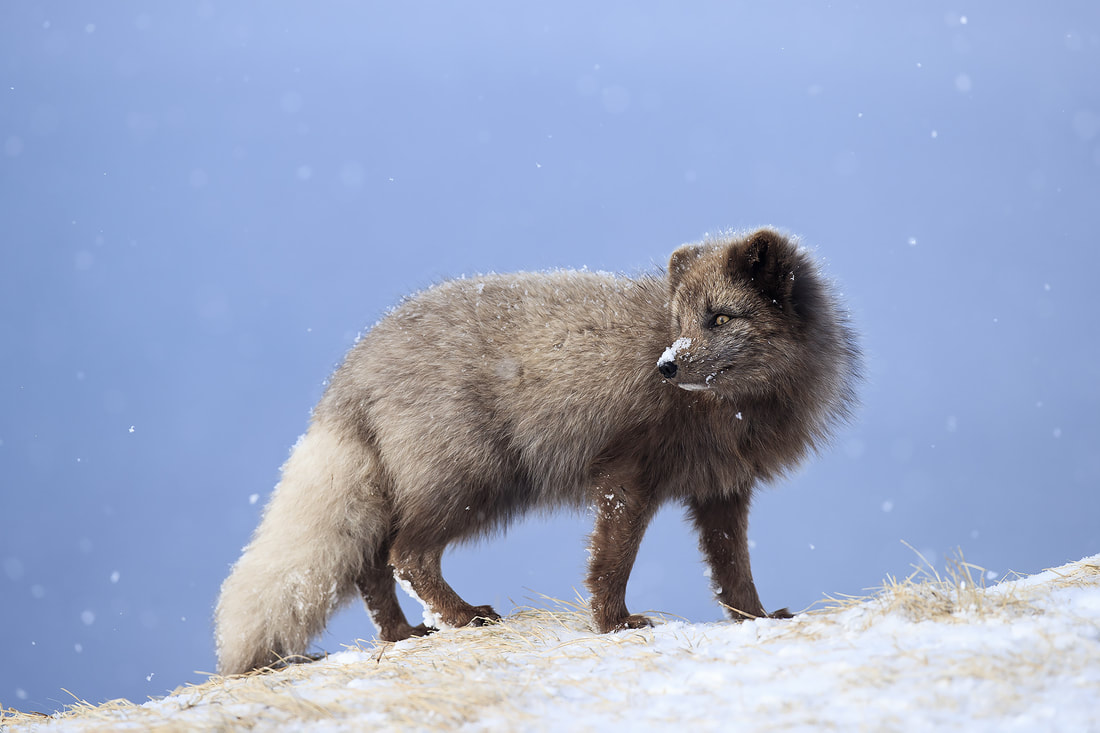 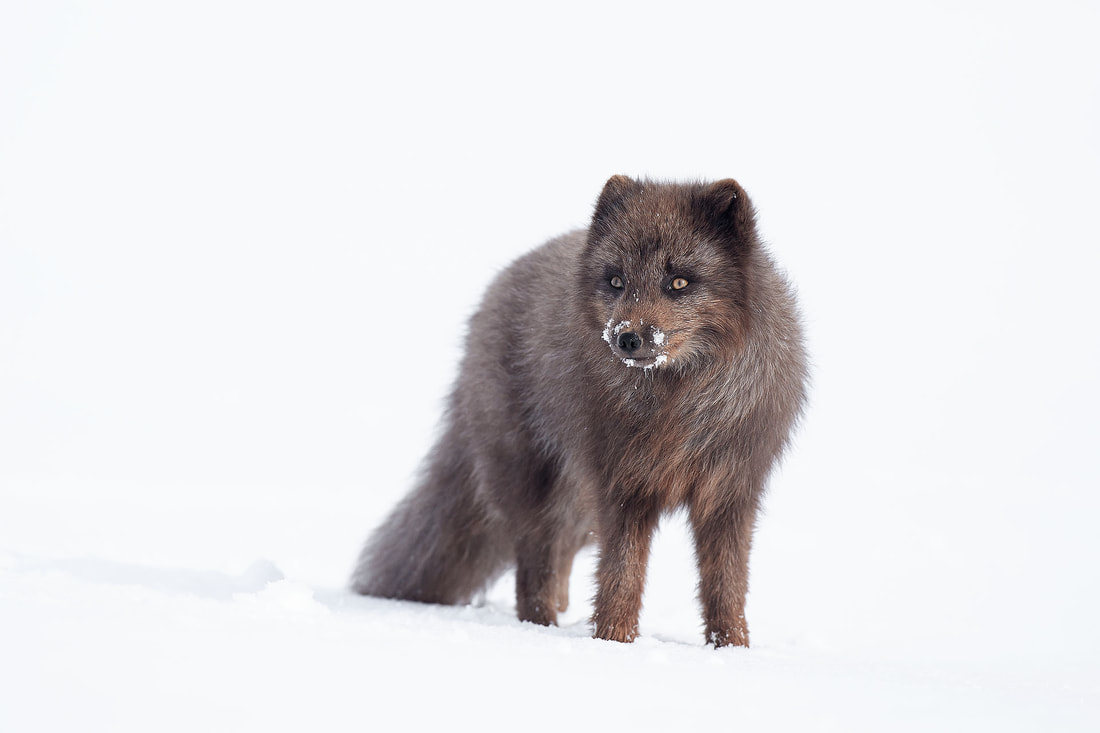 Just as the first day at Kviar Lodge, there was a strong wind blowing on the last day, picking up snow and creating a very atmospheric scene. Once again it was perfect for photography and an amazing way to end the trip. 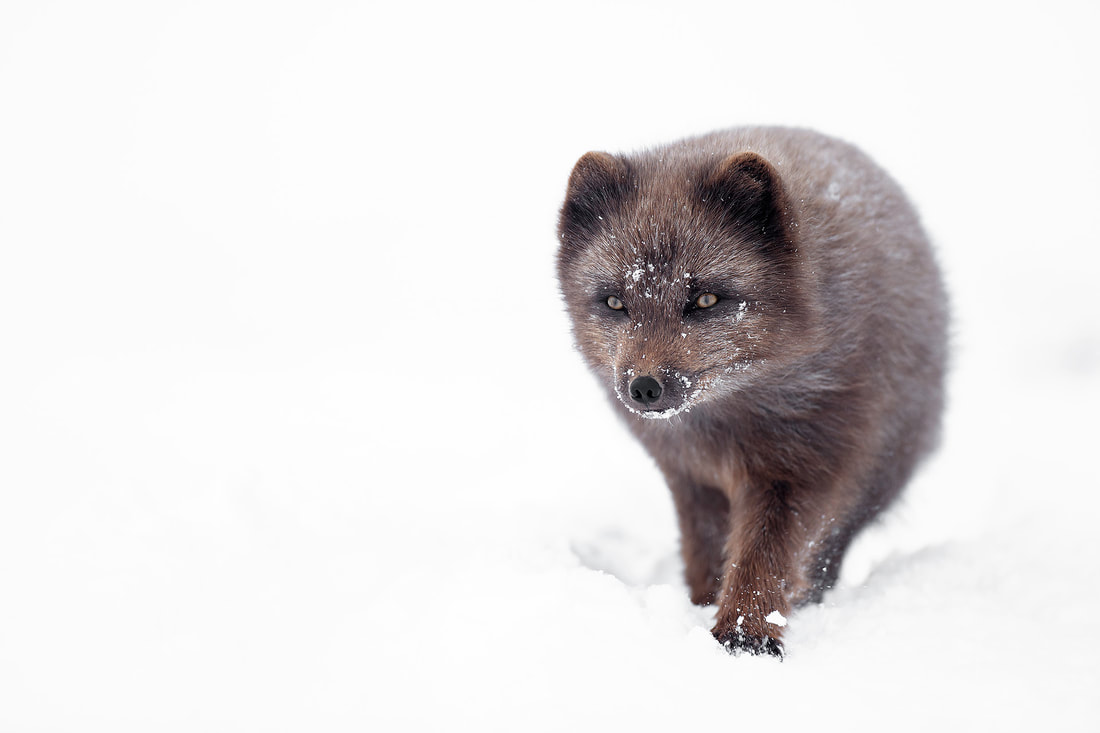 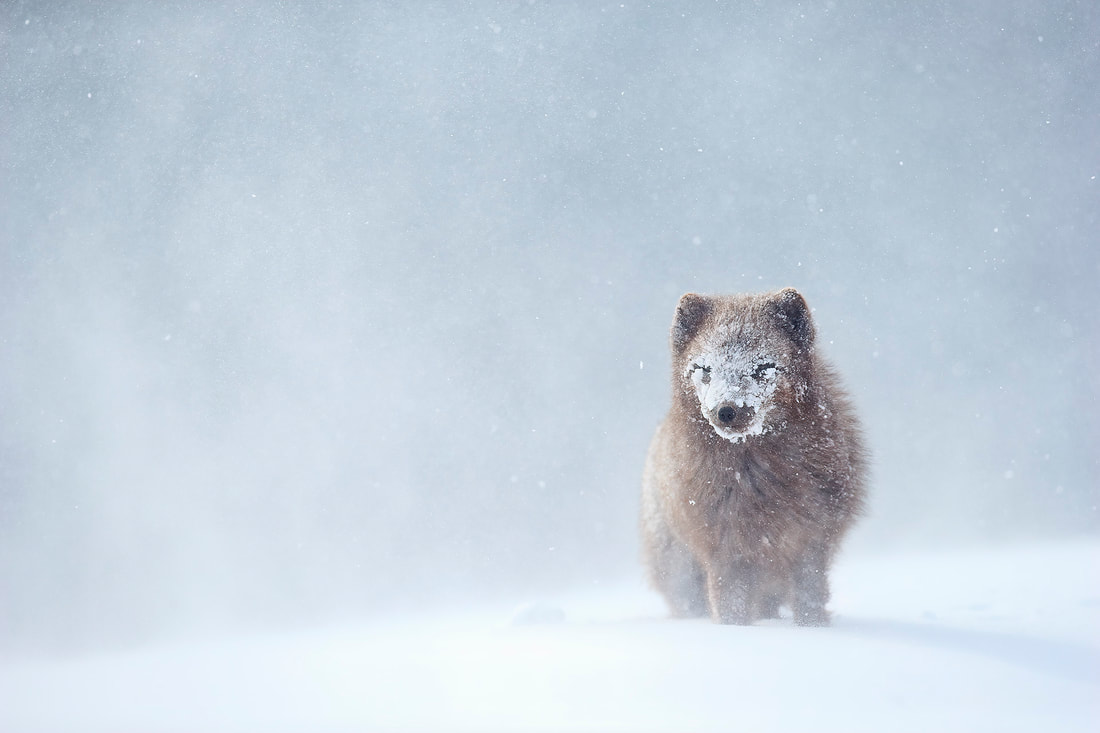 With another magical week in Iceland behind us, it was time to head home and reflect on what a beautiful and captivating part of the world this is. I hope these images inspire you to visit this wonderful part of the world - you'll fall in love with the foxes if you do.
I absolutely love being in the Antipodes as the wildlife here is not only unique, but it is utterly captivating, and so it was a delight to head back and spend another couple of weeks searching for and photographing some icons. Just as we did in the previous trip, we started on the mainland of Australia, photographing wildlife in the state of Victoria, before flying across the Bass Strait to Tasmania. Around the city of Geelong, we enjoyed photographing a wealth of wildlife including corellas, emu, eastern grey kangaroo, grey-headed flying fox and koala too. 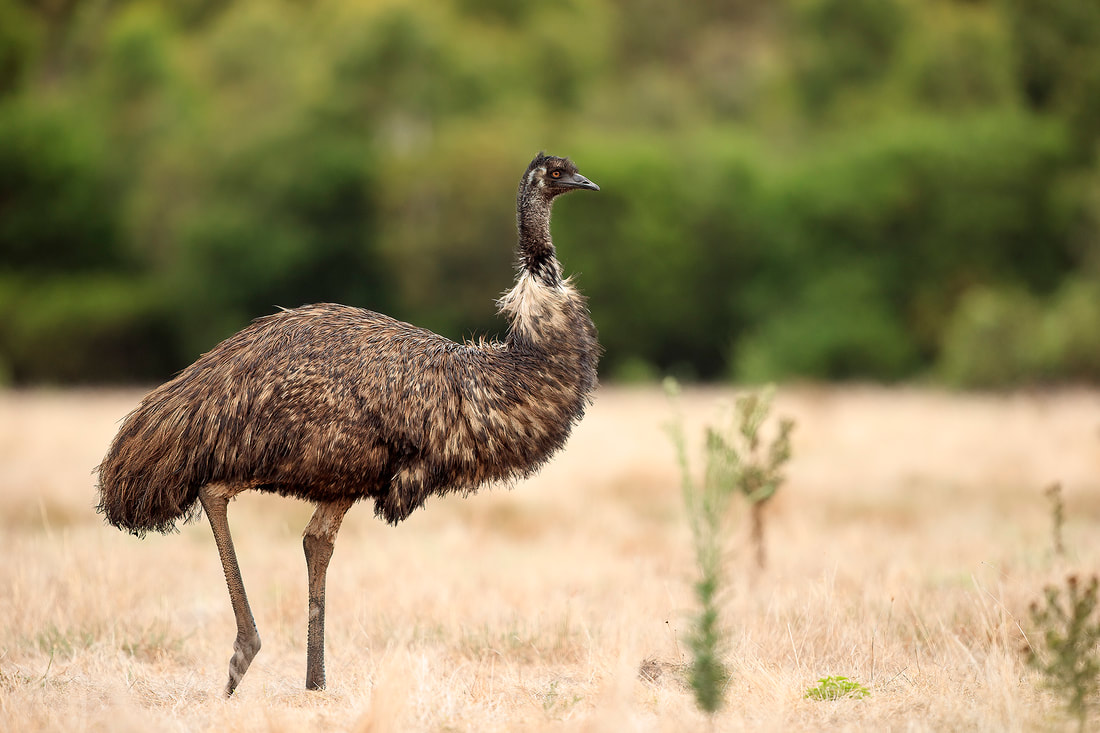 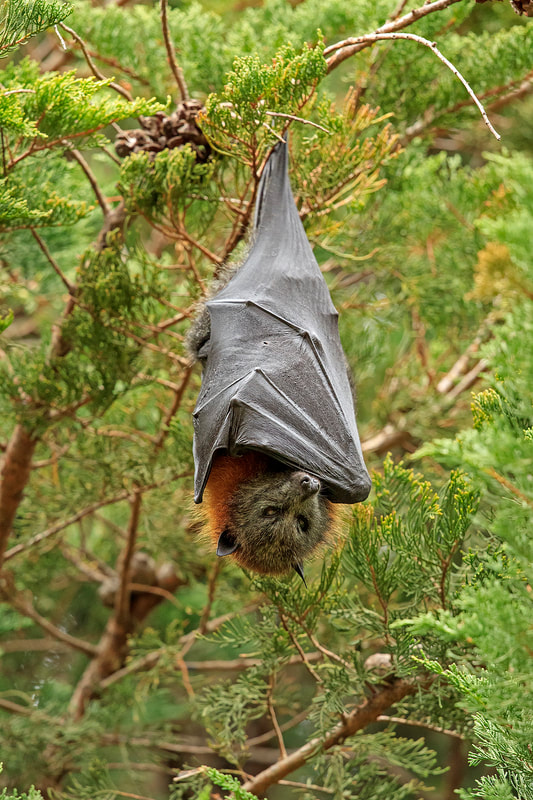 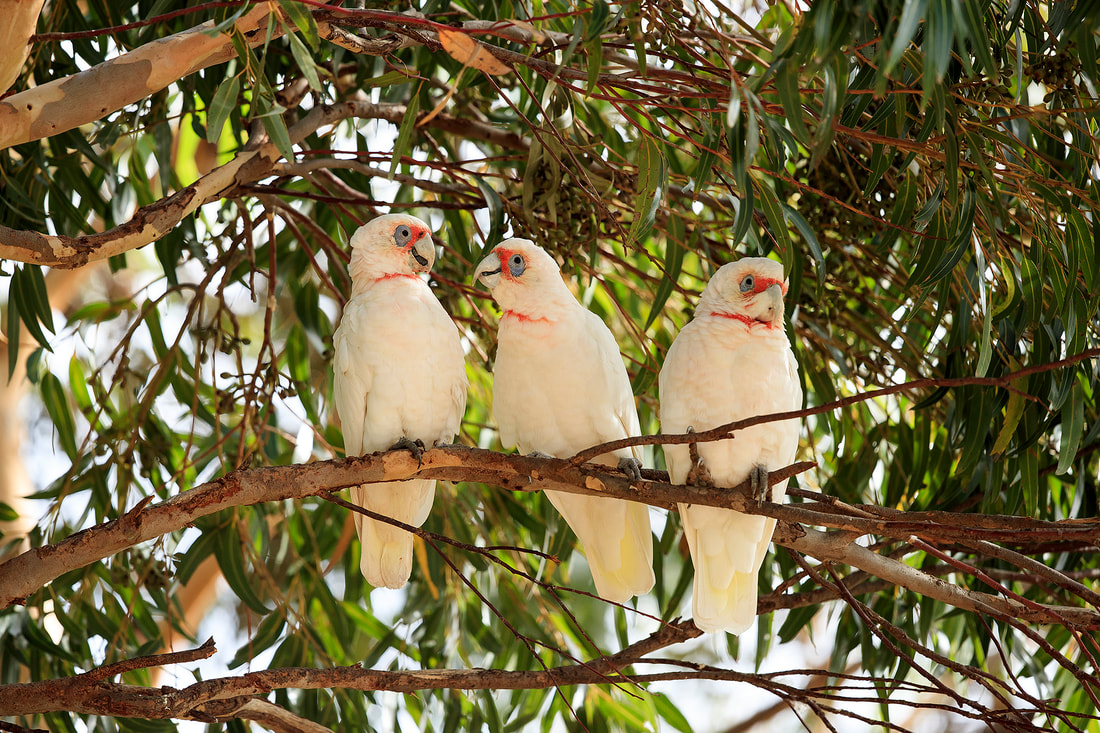 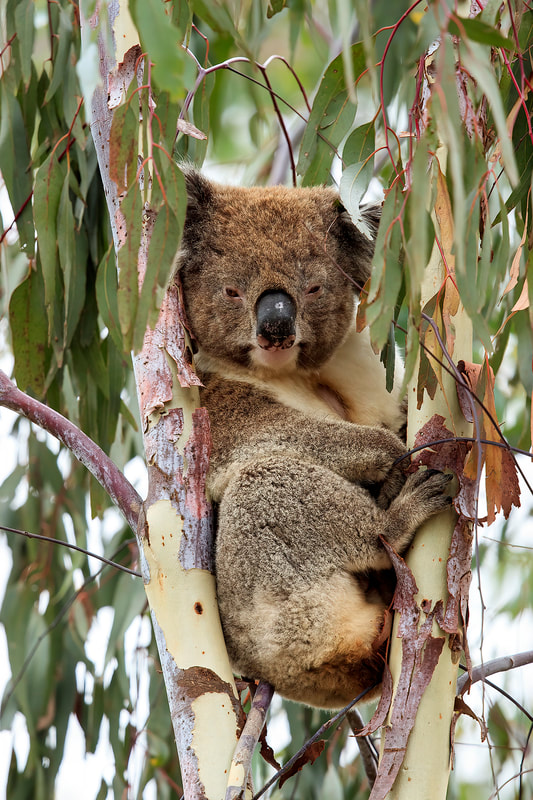 After a fantastic few days photographing the wild delights of the mainland, including some Australian oddities, we hopped on a plane from Melbourne down to the city of Launceston in Tasmania. From here we headed to the Tasmania arboretum for some great platypus sightings and photography. 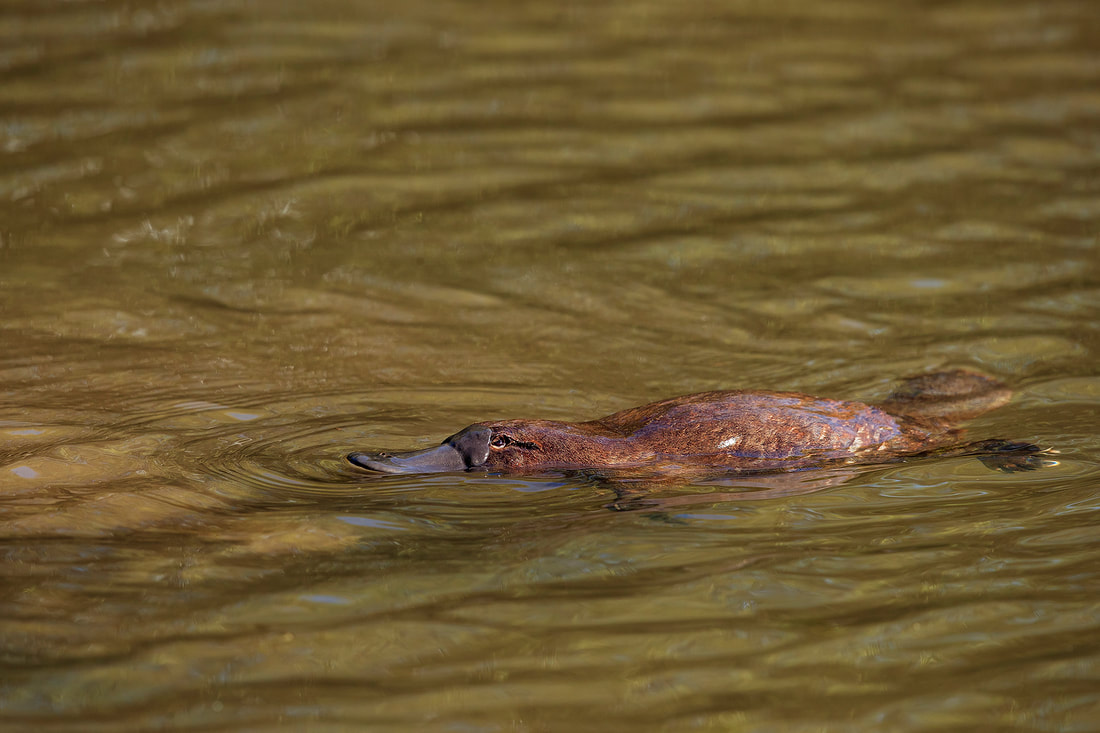 We then headed up into the hills and spent the next five days just immersing ourselves in the wild world of Tasmania's rugged mountains. Here photographic highlights included tiger snake, wombat, wallabies and several endemic birds. 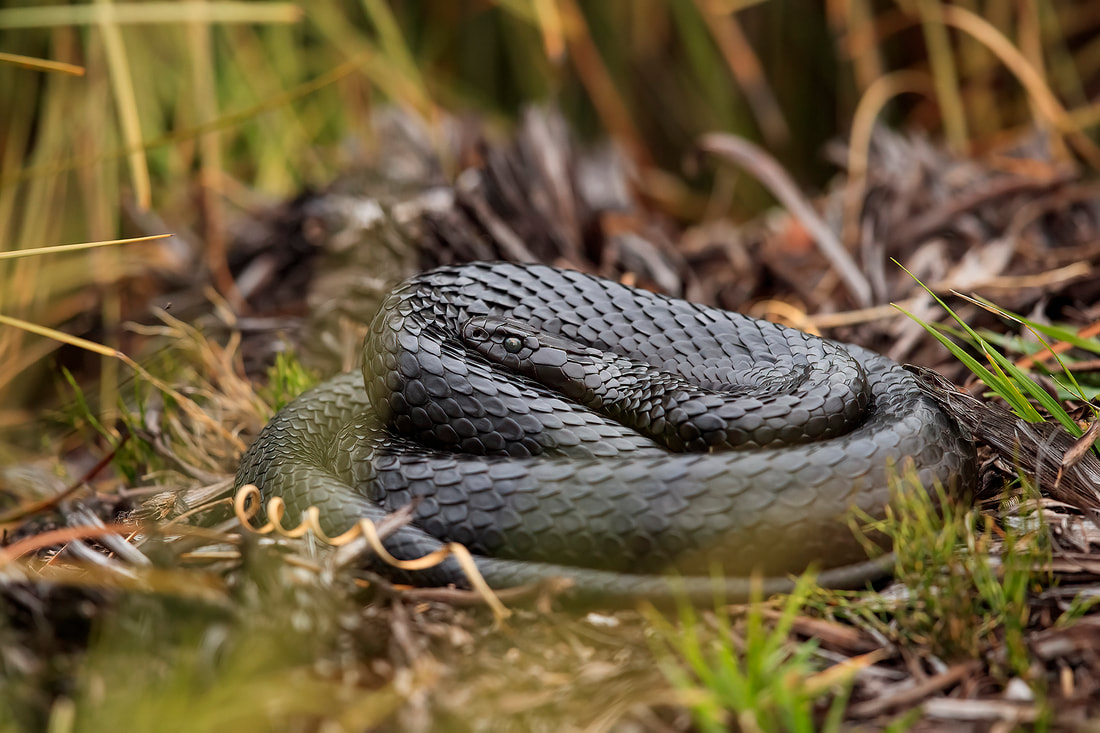 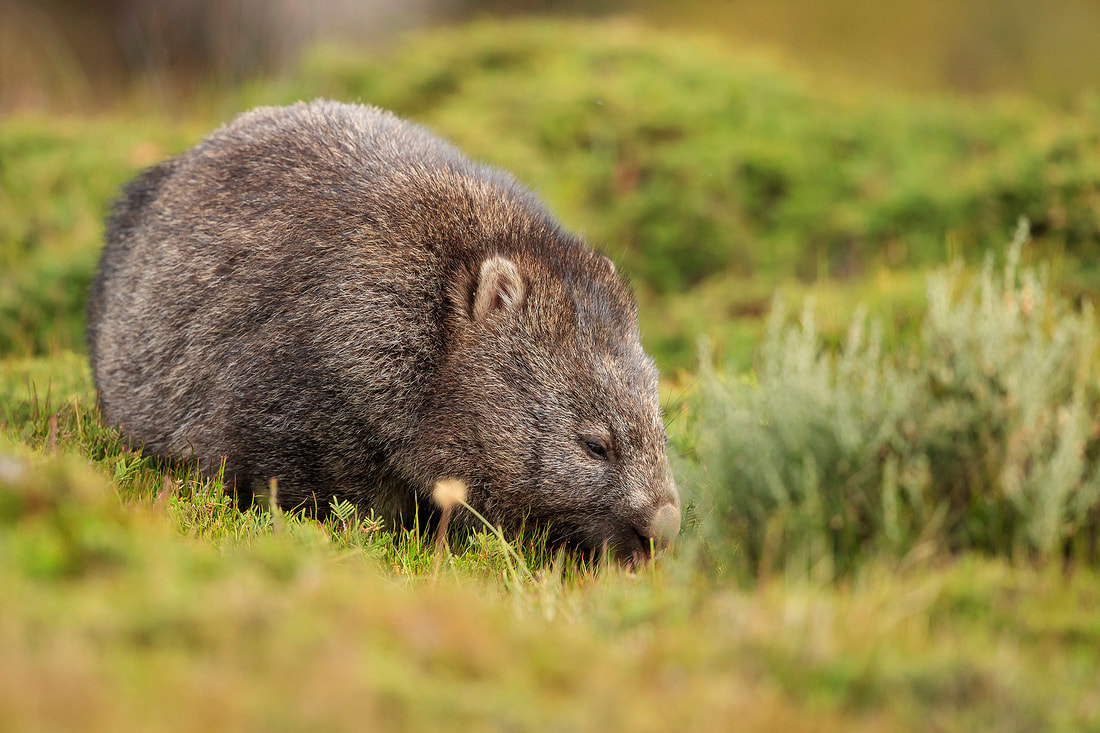  We headed back down from Tasmania's Highlands back down towards the coast and stopped once again at the Tasmanian Arboretum. We thought our previous visit was remarkable for the platypus encounters we enjoyed, but this time it was exceptional. The absolute highlight was a pair of platypus fighting after an attempt at mating. 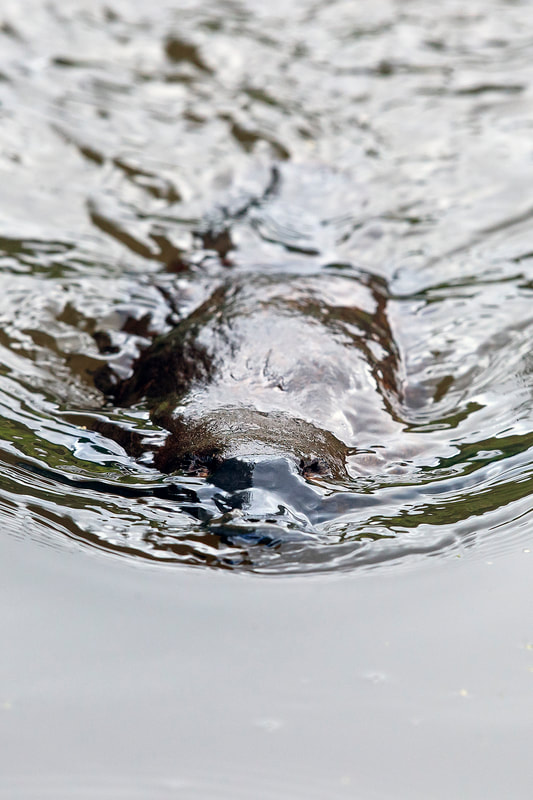 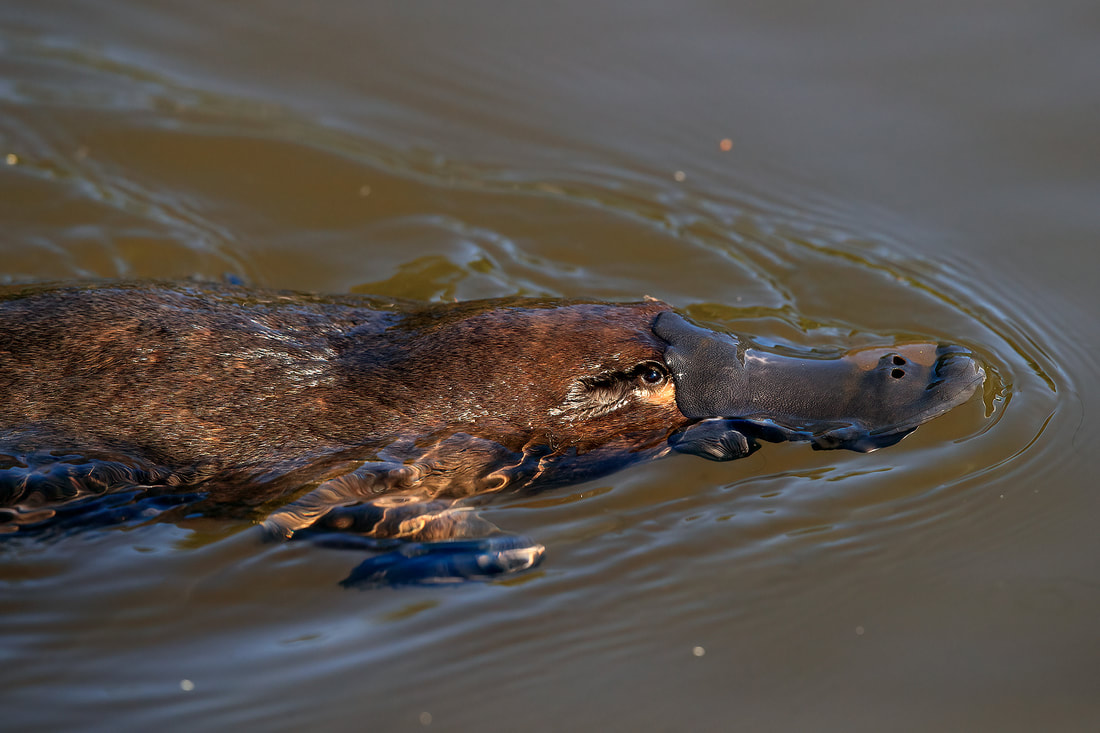 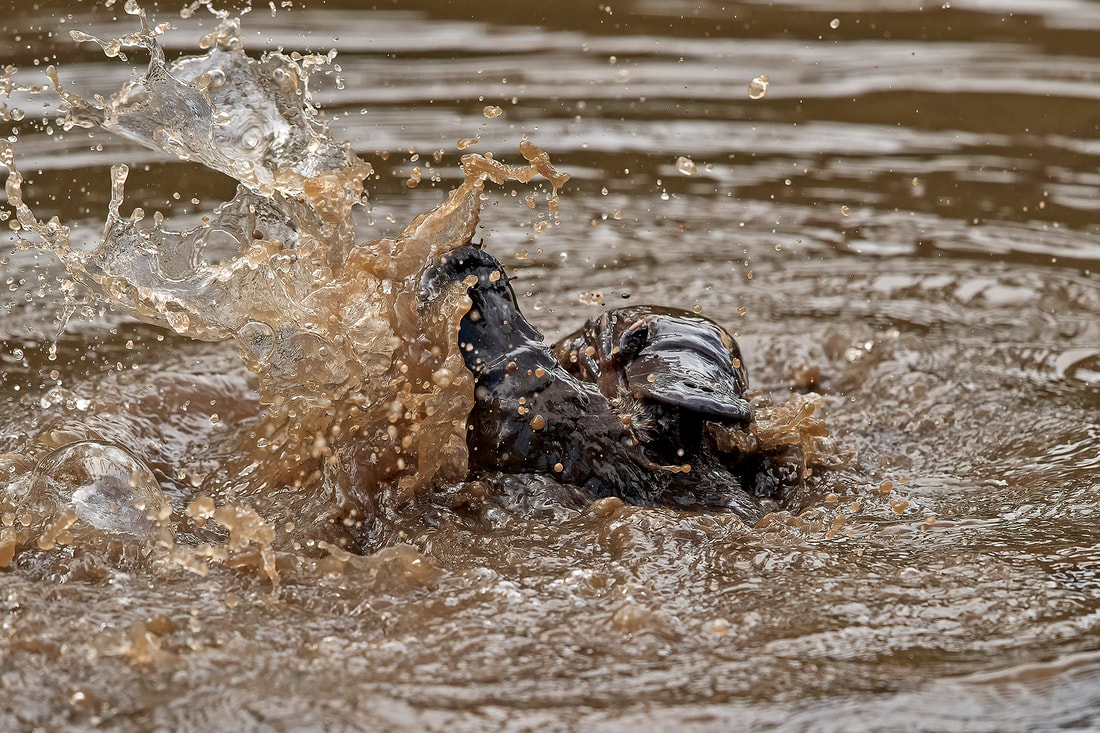 Over the next few days we continued by exploring the north-east of Tasmania, enjoying more wonderful photography opportunities including Forrester's kangaroos. 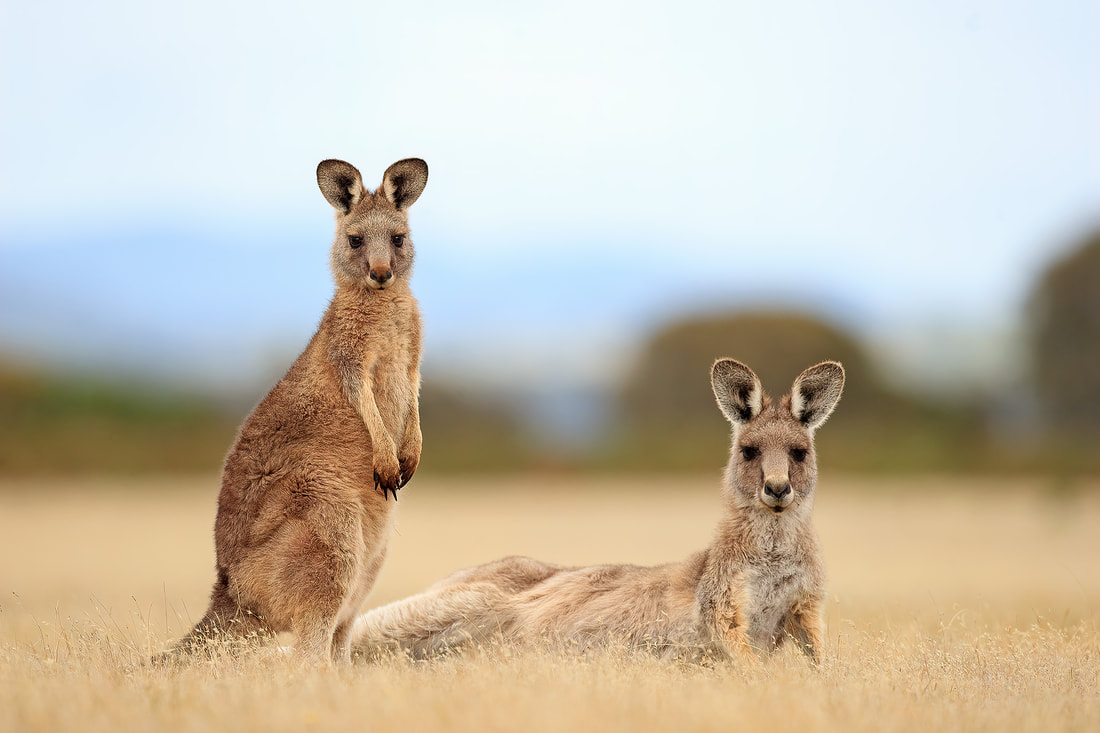 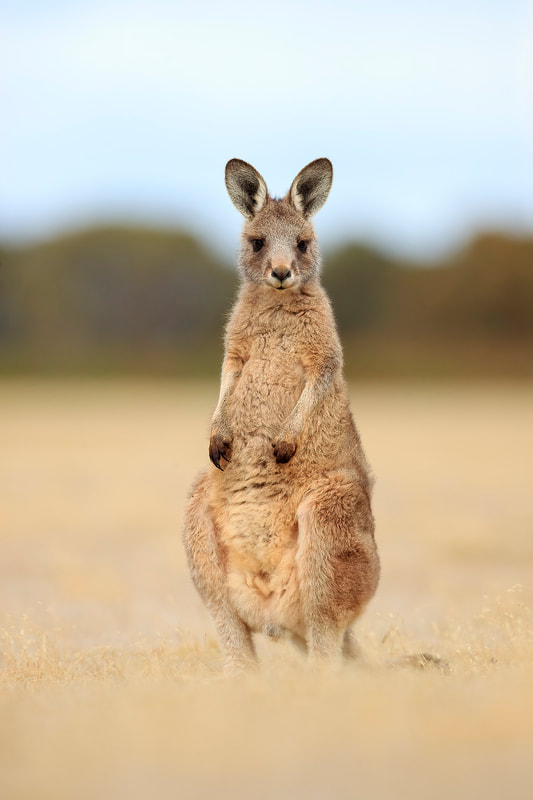 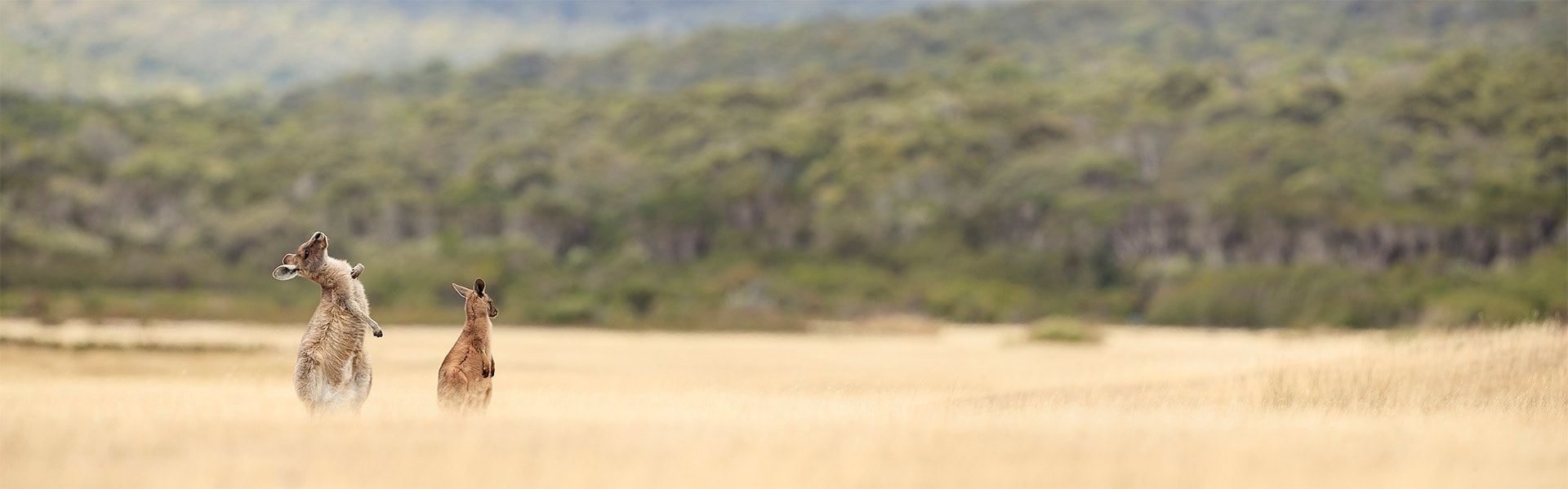 After a great period photographing in the northern reaches of Tasmania, it was time to head south towards Hobart. We spent an evening in Hobart, primarily as a rest stop, before heading over to Bruny Island the following day. Here, we would be staying close to the Inala property and our hope was to photograph some of the region's iconic birdlife including the forty-spotted pardalote. 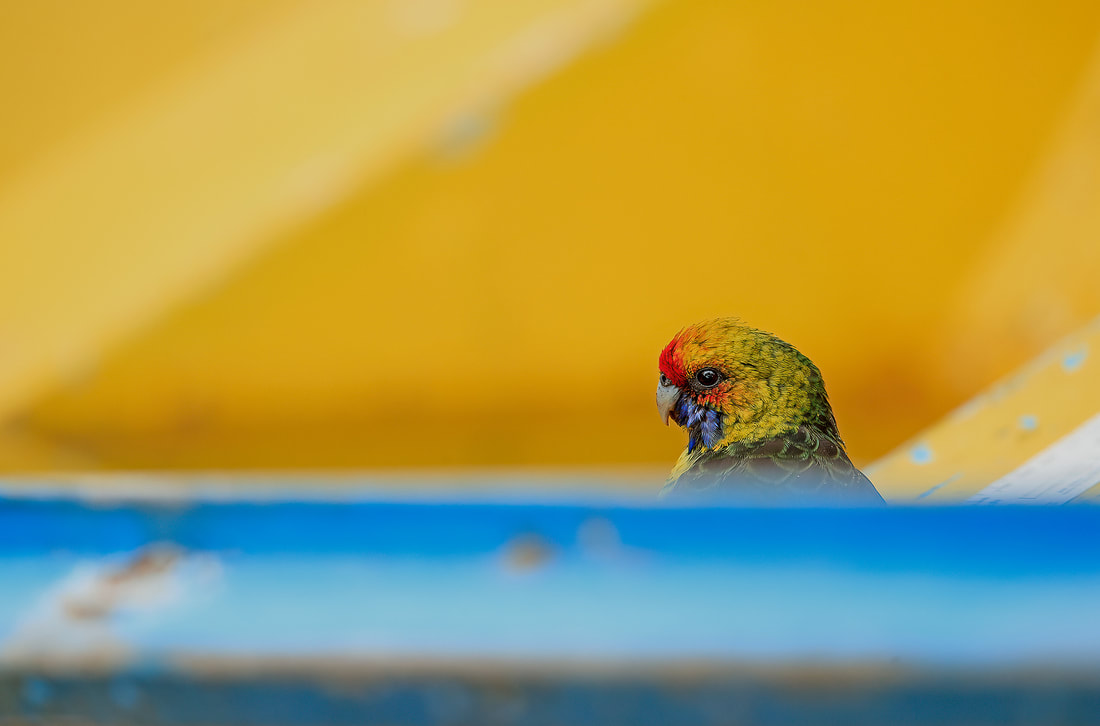 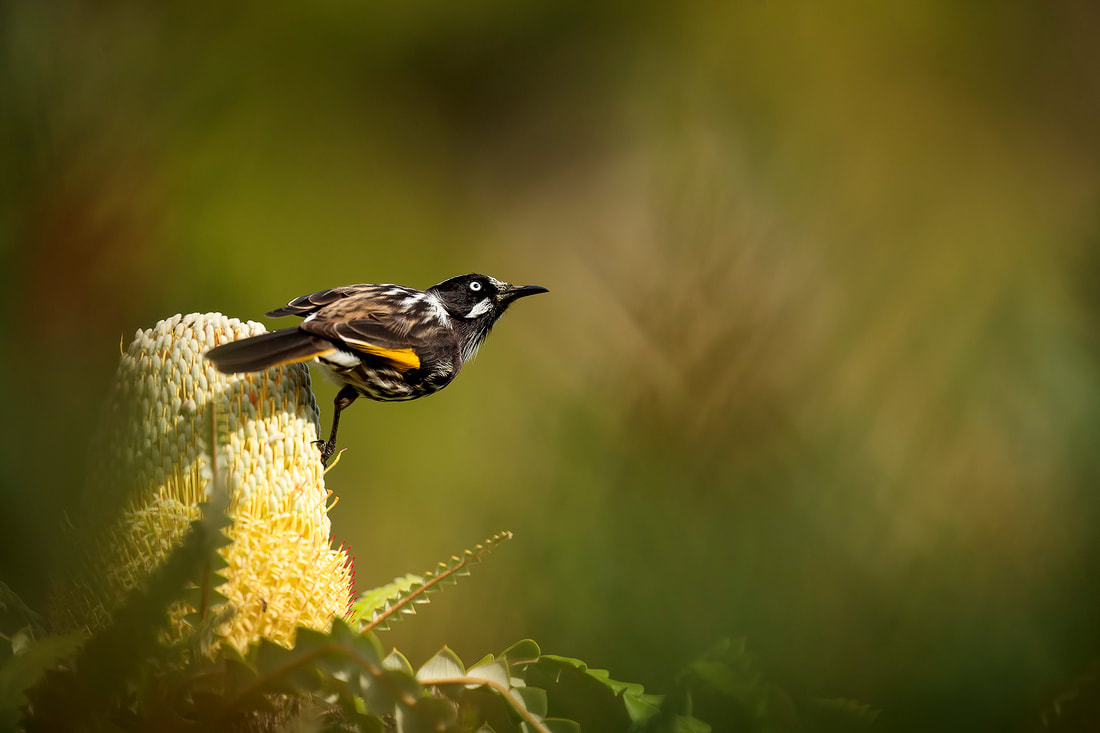 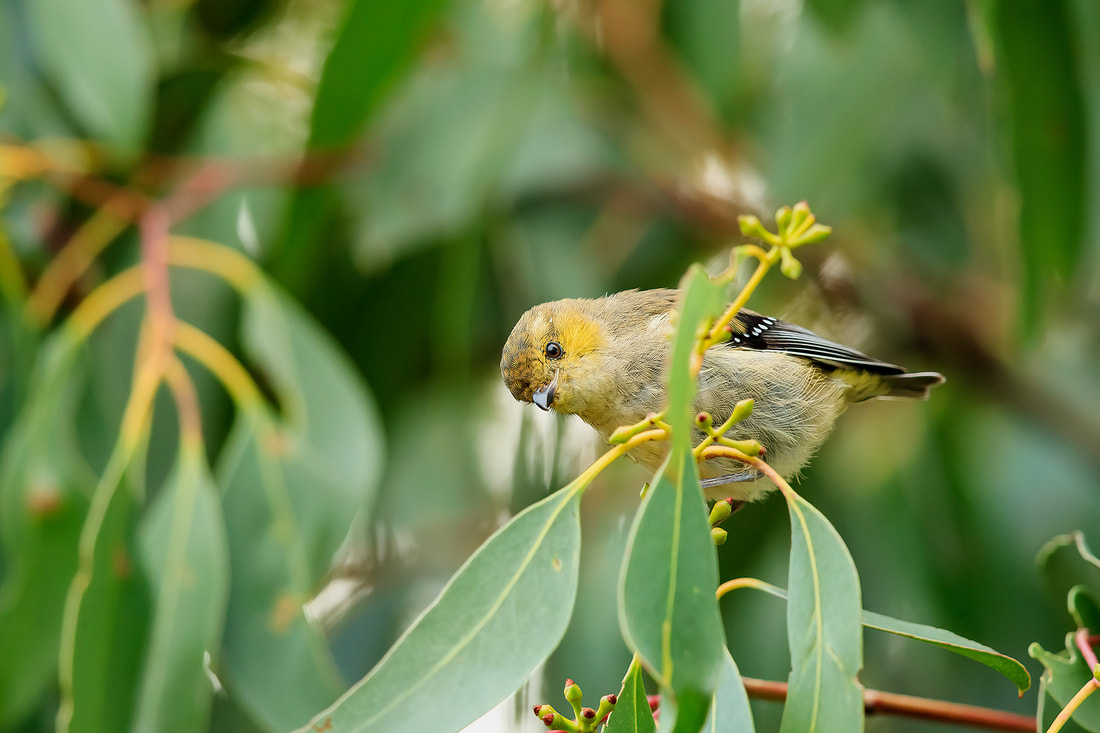 As you can see, we had a magical couple of weeks photographing some of Australia's most sought-after species. It was great to be back in the bush and seeing some of my favourite Aussie wildlife.
It was a real pleasure to head back to Japan once again and lead another trip for Wildlife Worldwide alongside good friend and fellow photographer Sean Weekly. We took a group of excited photographers, among the first tourists to visit since Covid, on an adventure heading up to the island of Hokkaido for a week of world-class photography. Our first port of call was Lake Kussharo and whooper swans which can be found along the hot spring-fed shoreline. With only a short visit before the light faded away, our opportunities were limited. There would be another chance tomorrow. First thing the following morning we headed down to Otowa Bridge before dawn to hopefully capture the magic of the sunrise of the Setsuri River. What we witnessed was utterly breathtaking. It's so unusual for wildlife, weather and light to all come together perfectly - this really was one of those incredibly rare occasions. 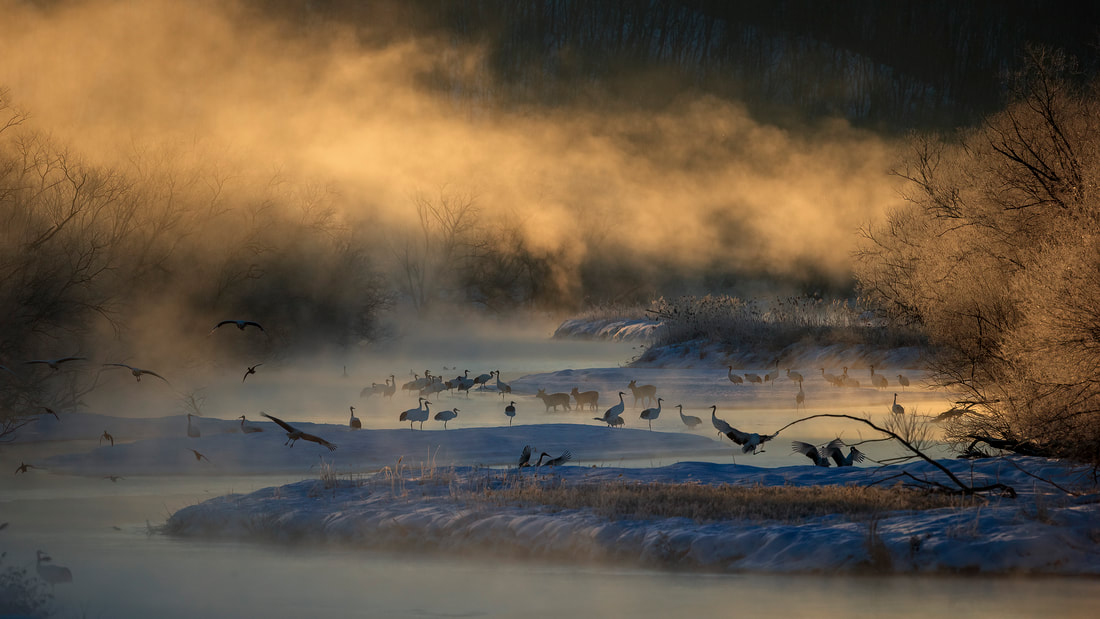 As you can see, the scene that lay before us was exceptional and the photography was relatively straight forward. We just had to wait for the mist to clear sporadically and for the cranes (and deer) to move into place. After such a fabulous start to the day, our next couple of stops seemed to be a bonus, rather than the main act. The bright sunlight made it more challenging for photography, but as the day progressed a light layer of cloud started to form once again. 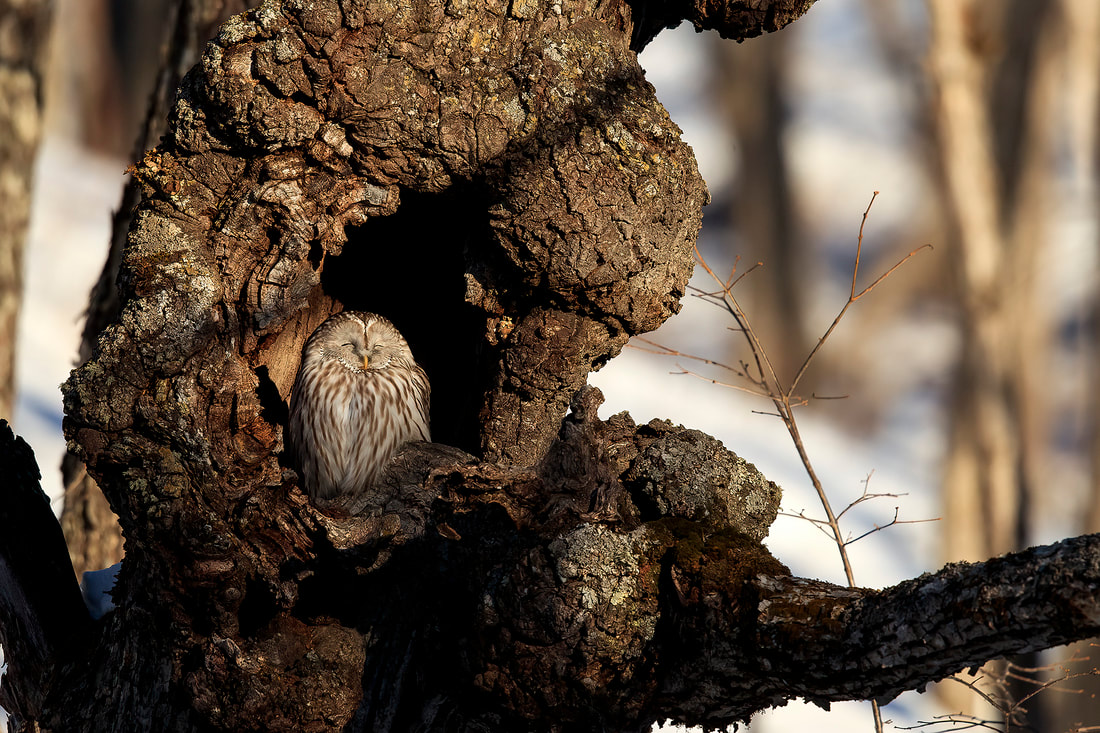 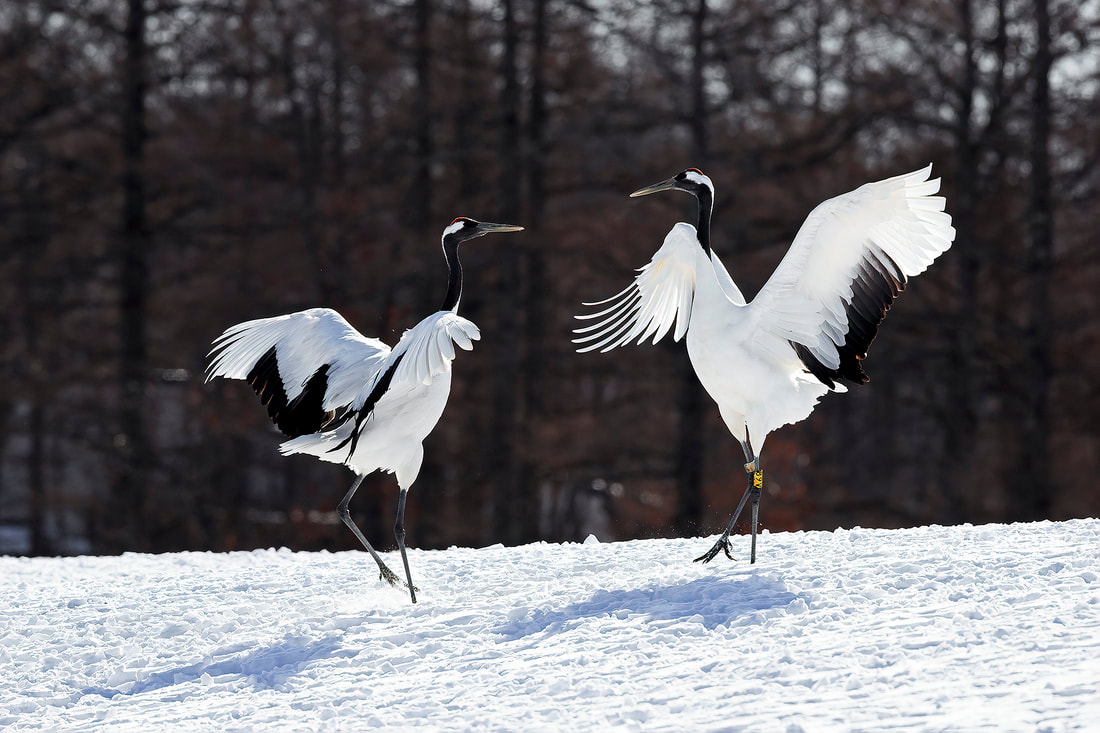 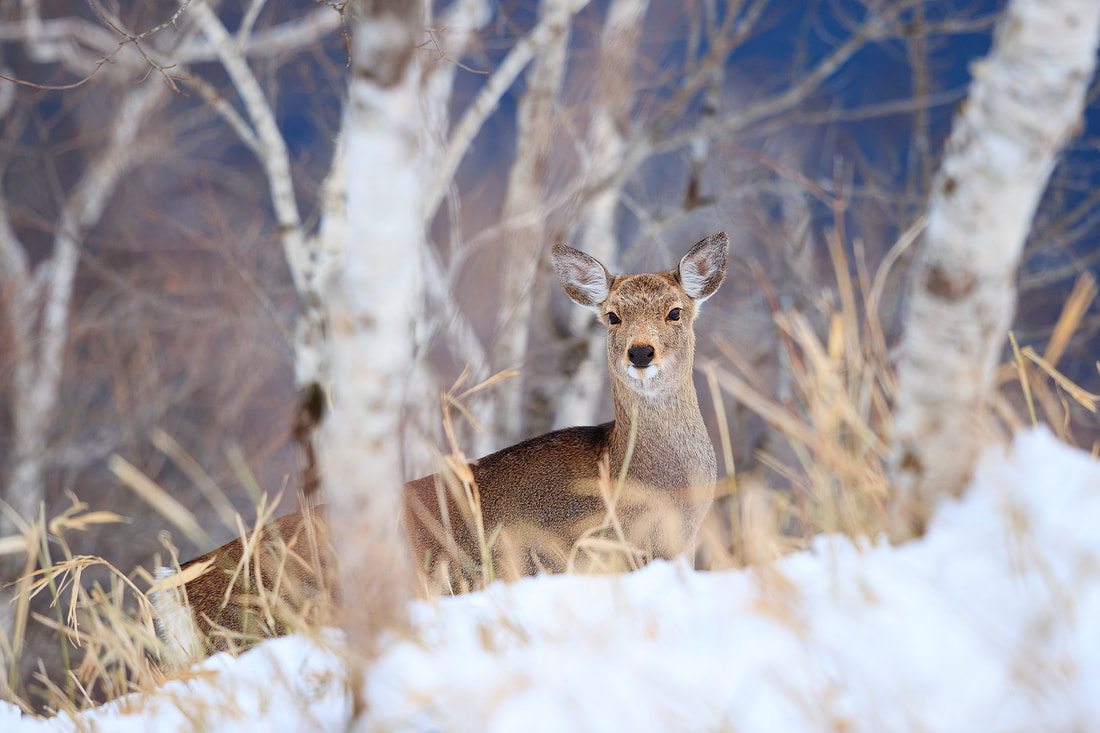 After an action-packed first full day on the island of Hokkaido, we headed back to Lake Kussharo for another session with the whooper swans. 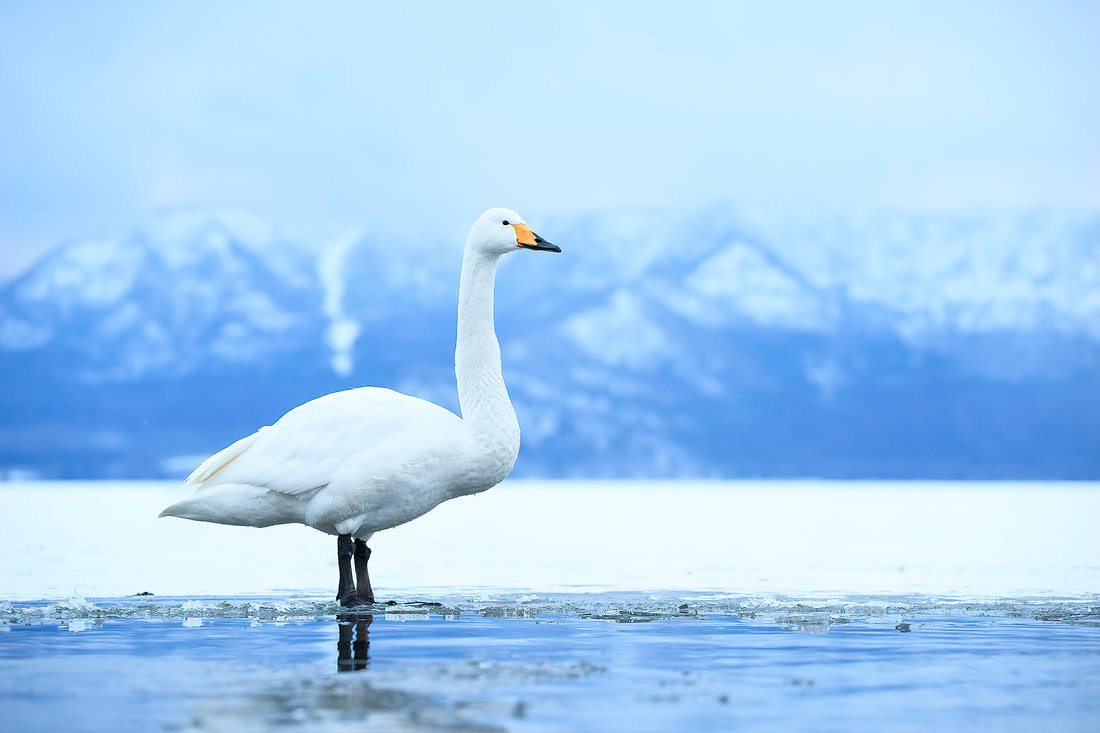 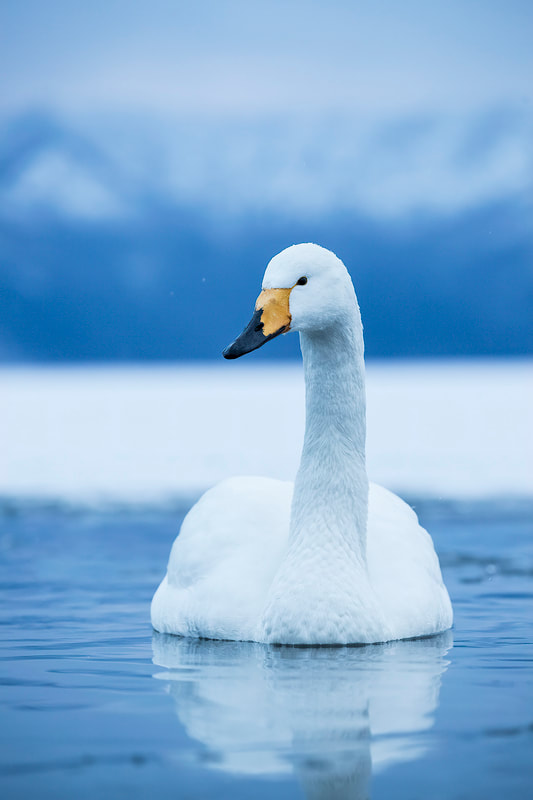 Having enjoyed an excellent couple of days in land, it was time to head to the coastal town of Rausu up in the north-east where we hoped to photograph Steller's sea and white-tailed eagles. We could not have expected what other delight was in store for us. Our first afternoon heading out on the water delivered some excellent encounters with the eagles. Unfortunately no ice was in the channel, but instead we were offered the unique chance to enjoy a pod of over 30 orca. Seeing these whales in summer is a regular occurrence, but in winter it only happens once in a blue moon. 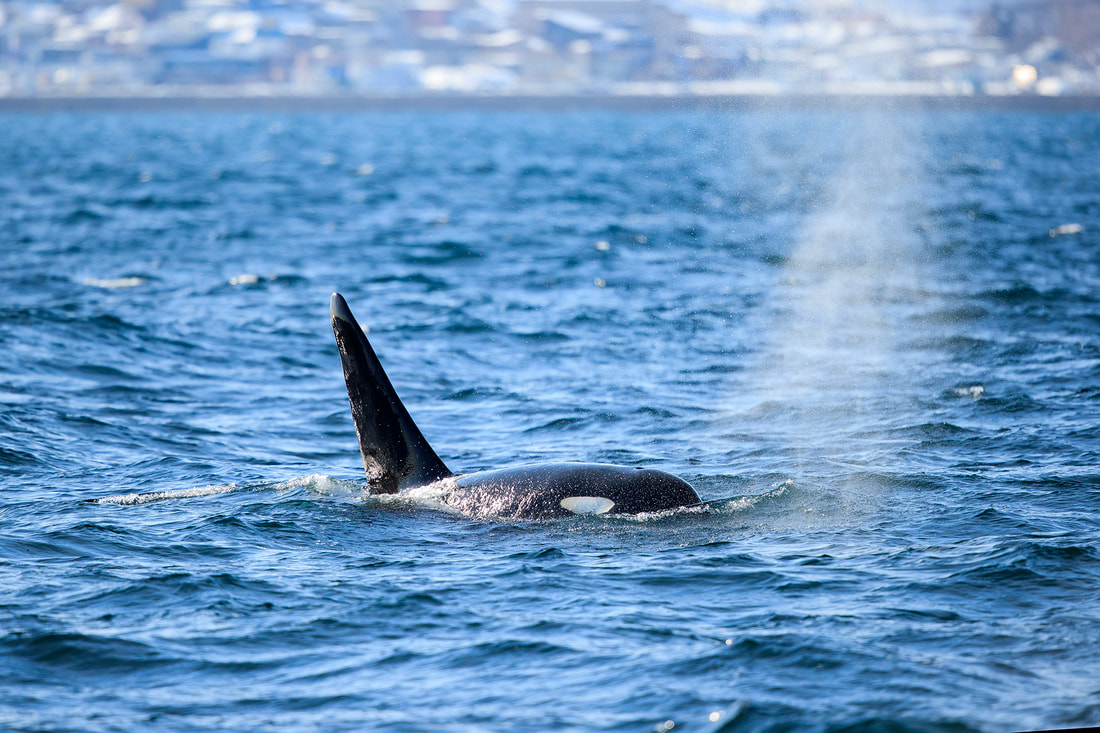 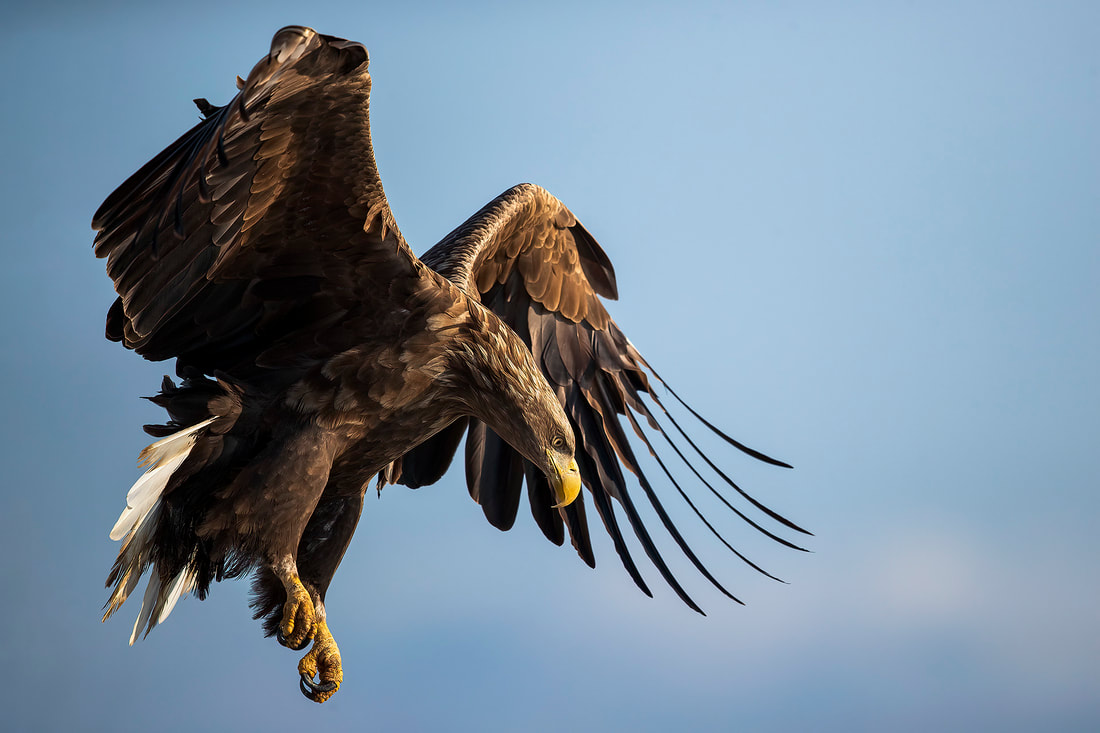 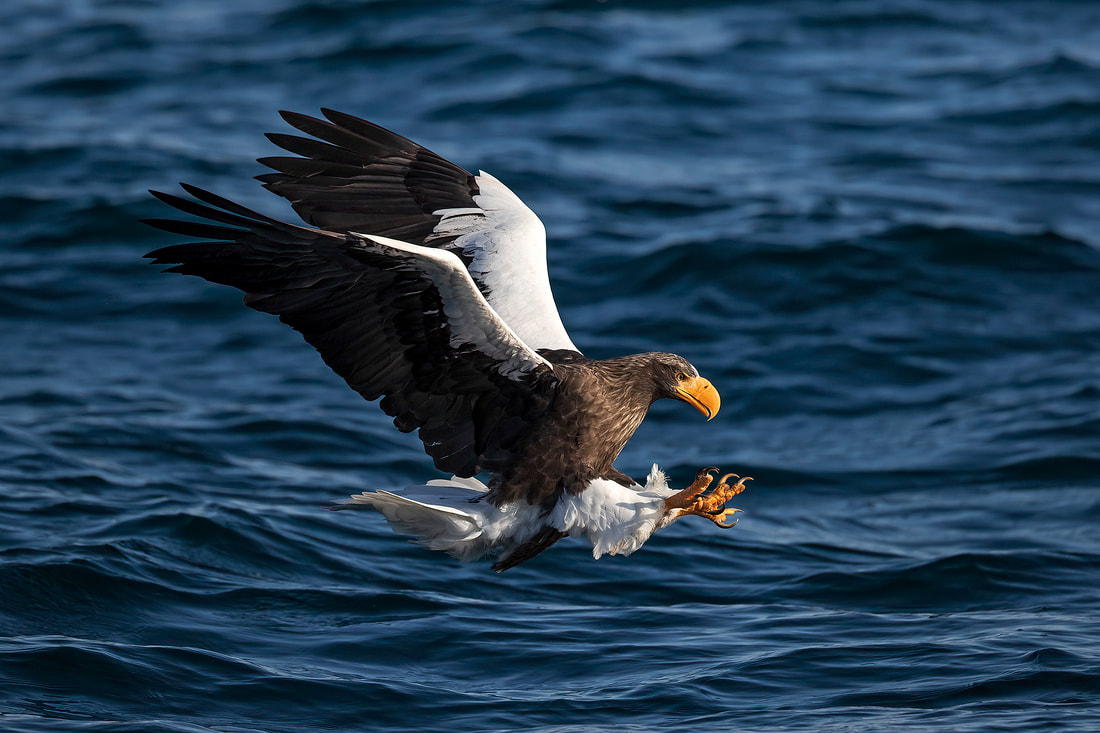 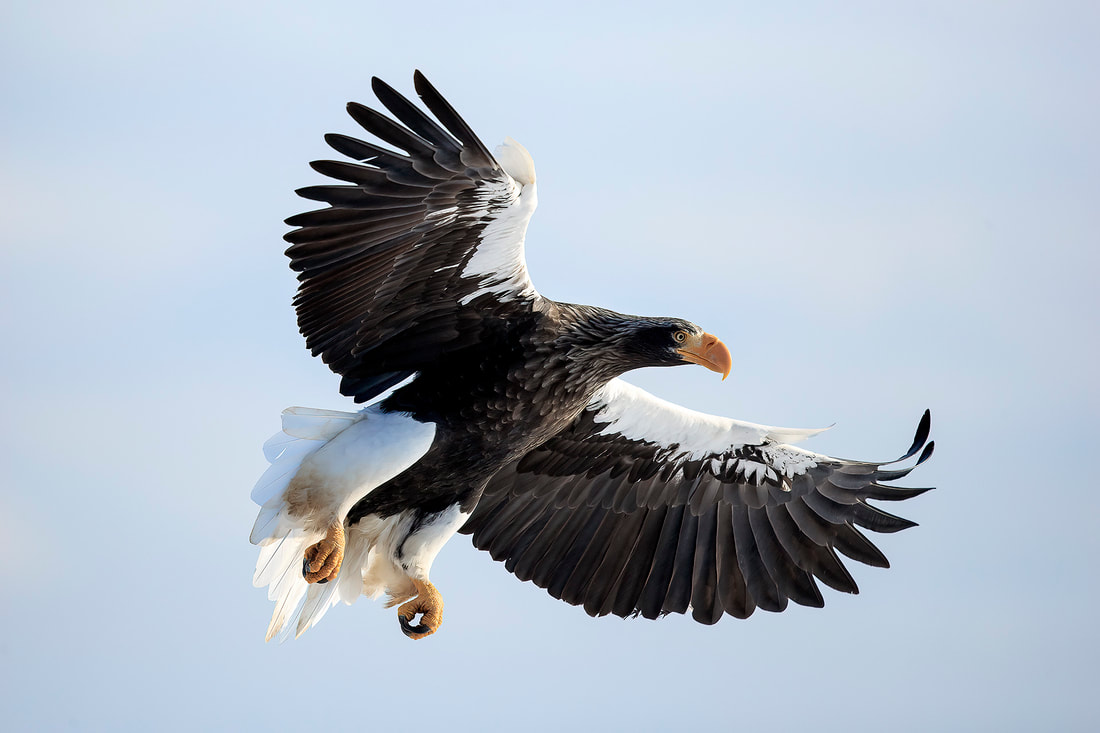 The next day, unfortunately was a non-starter as we had a blizzard blow in and we were unable to get out on the water at all. We did have another day though to try our luck again. We purposefully schedule and extra day here for such eventualities. After the storm cleared, we were indeed able to head back out on the boat and spend another session making the most of the eagle action. 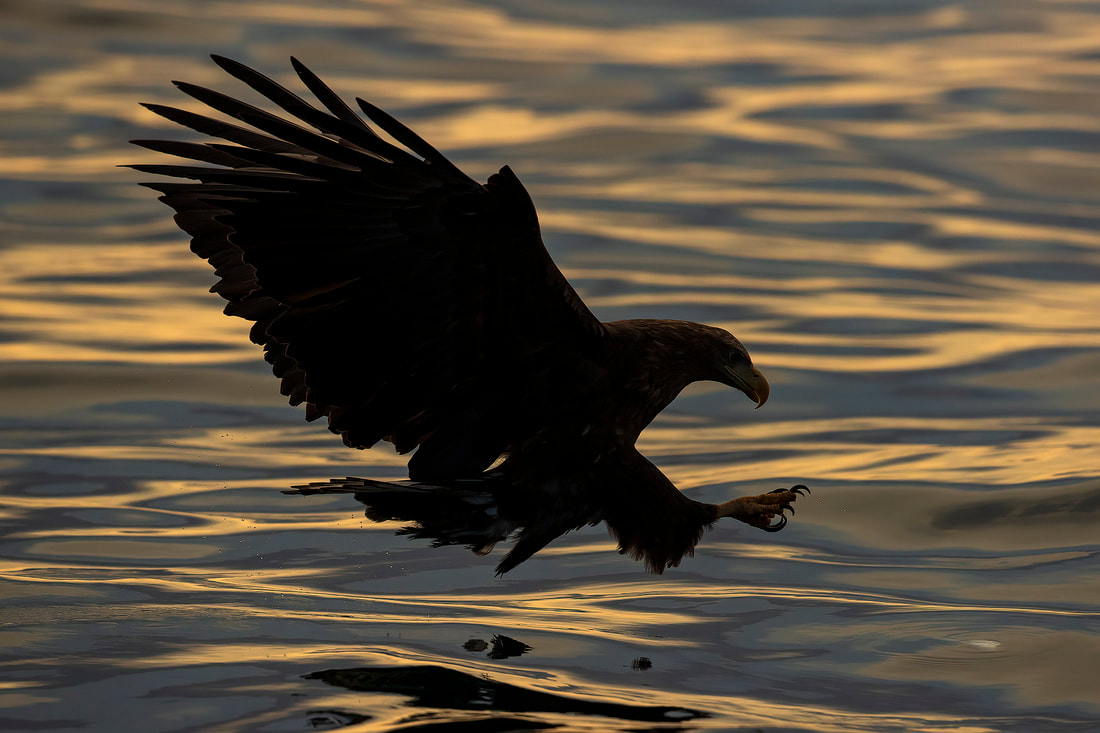 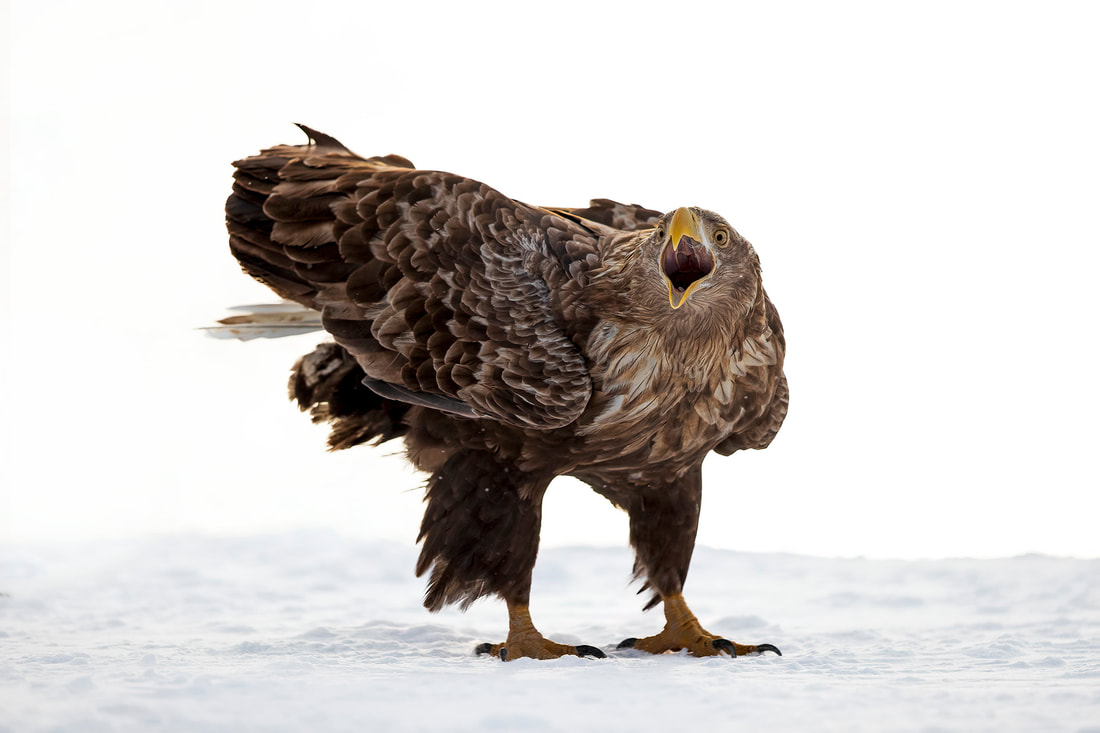 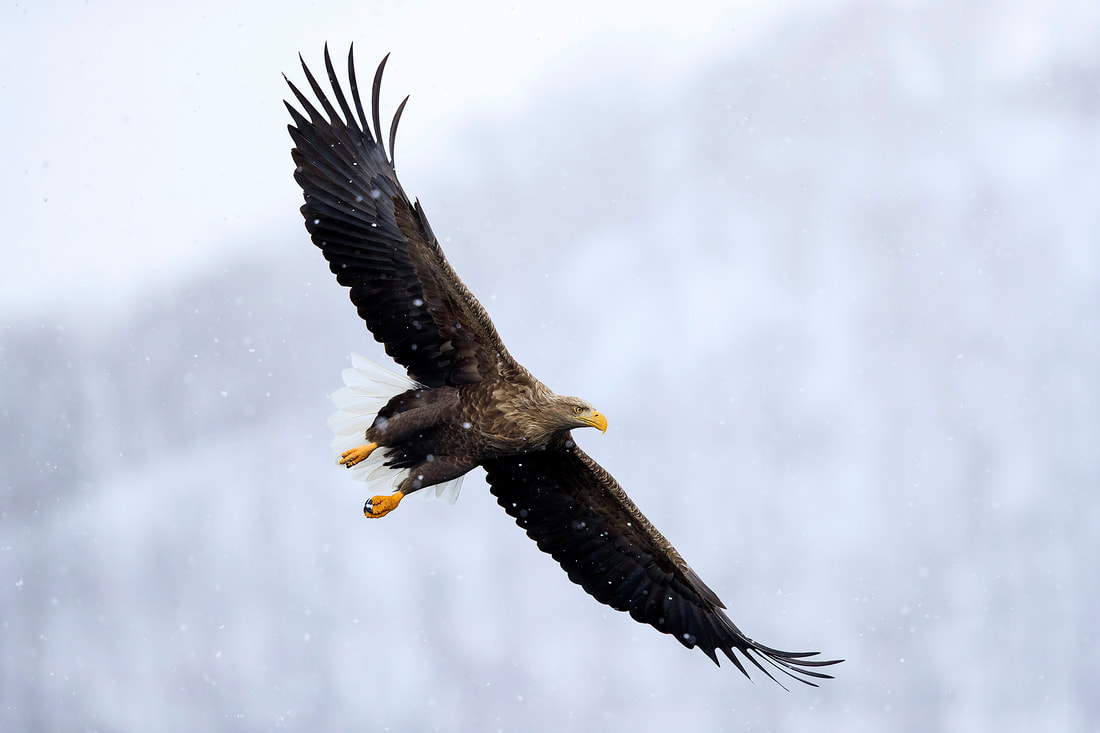 Our final target in Hokkaido, having so far been unlucky with potential sightings, was the Blakiston's fish owl. This time the group struck gold and we enjoyed excellent views of the world's largest species of owl. 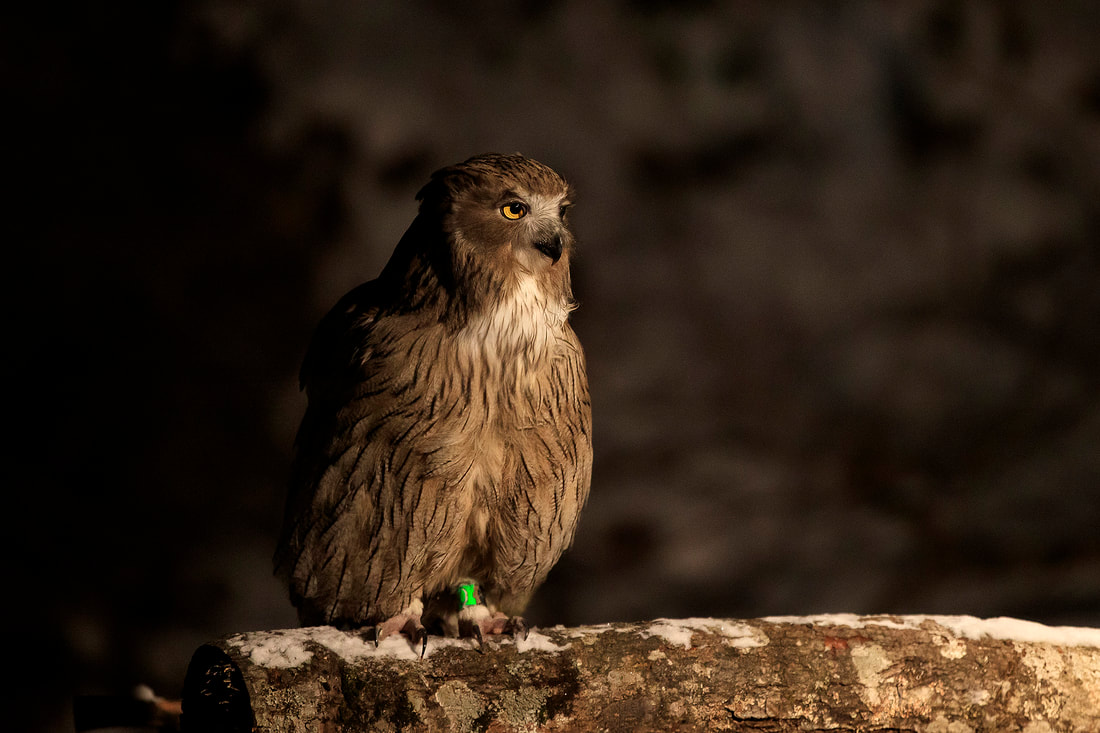 With a wonderful week spent enjoying the delights of Hokkaido, it was time to head back down to Tokyo (on the main island of Honshu). Here we were able to spend an evening exploring the city before we headed into the mountains and the city of Nagano. Nagano is famous for its winter sports, but we were here for a local species which are beyond celebrities. Our target species here was the Japanese macaque, or the snow monkeys as they are more affectionately known. The spend much of their time around a series of hot pools, escaping the bitterly cold weather of these rugged mountains. 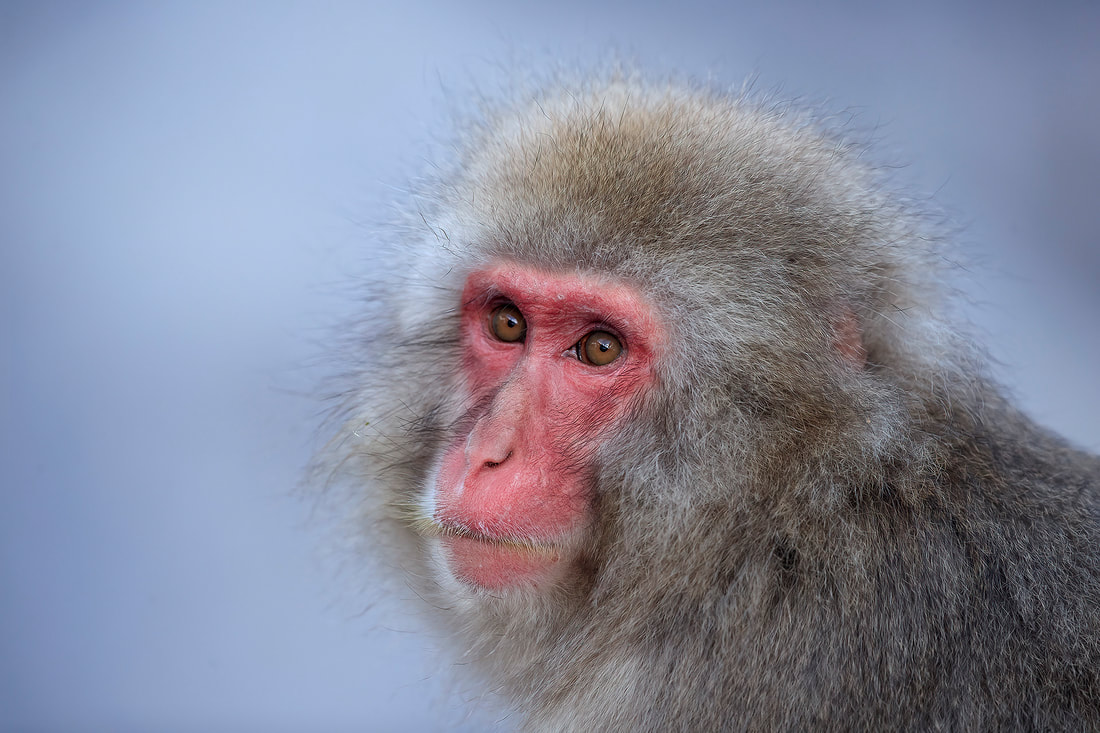 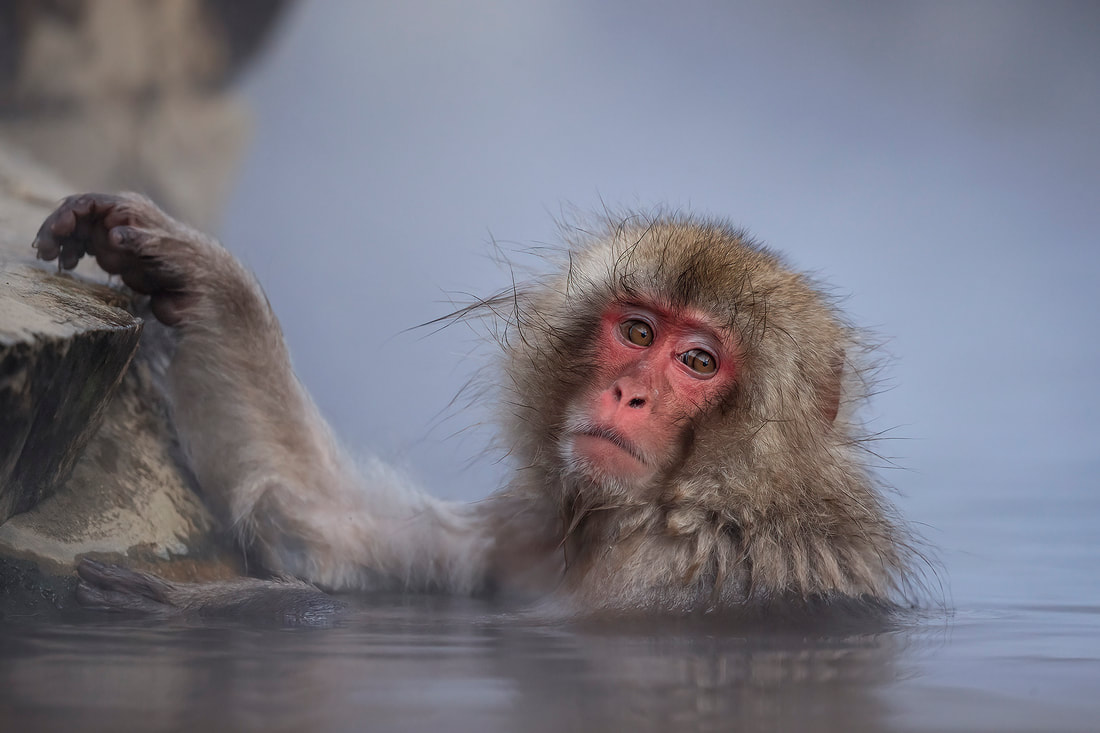 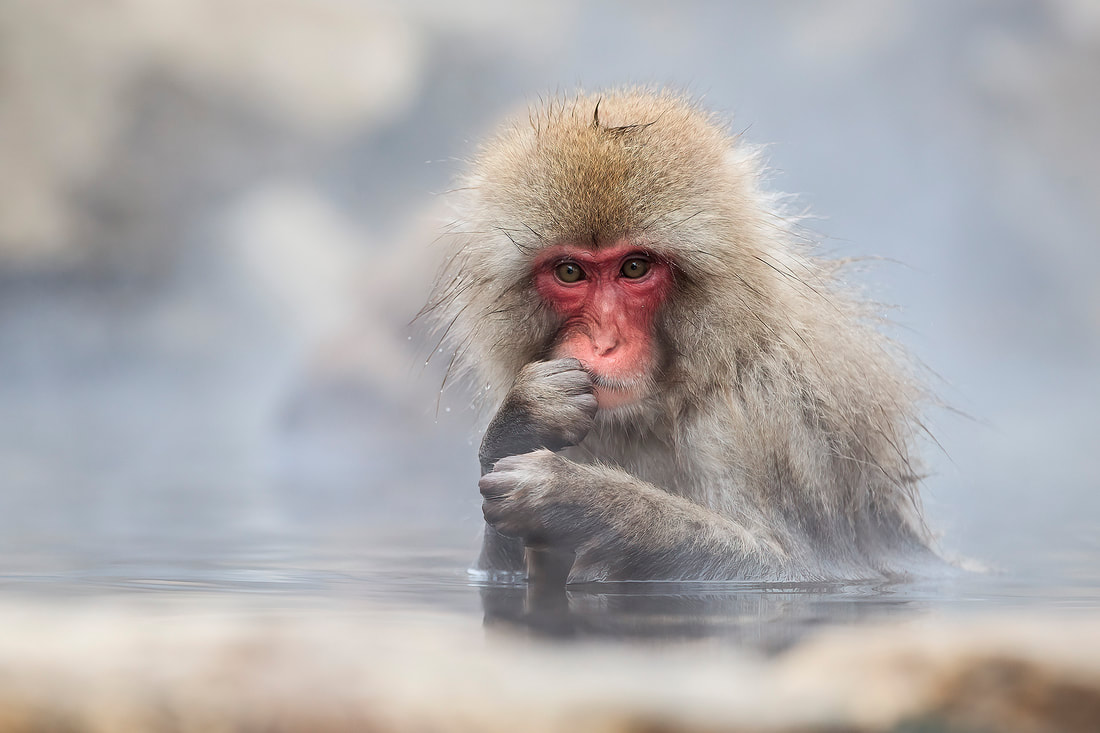 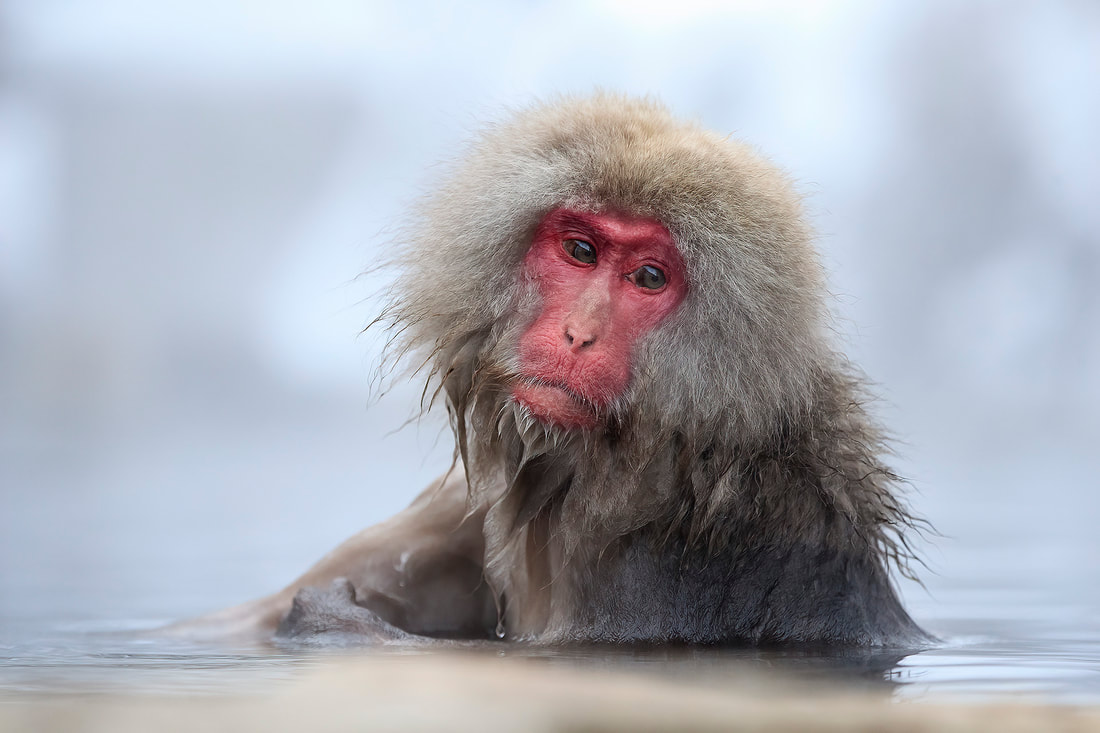 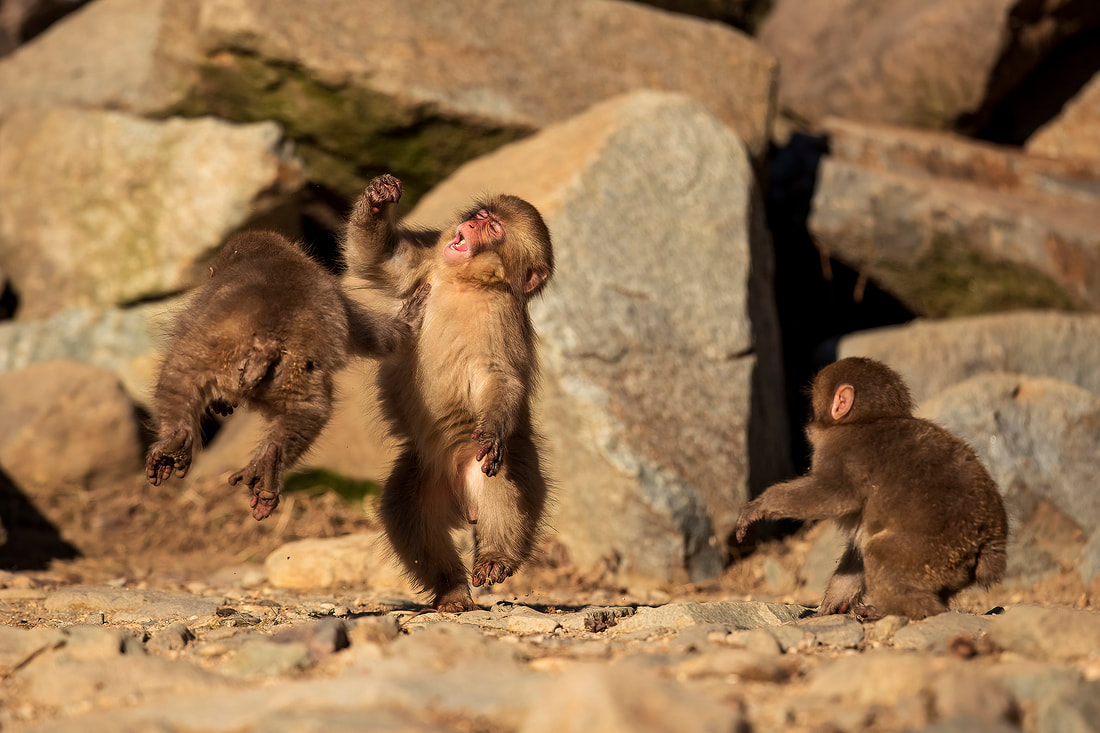 As you can see, we had an exceptional couple of weeks in Japan photographing the country's magical wildlife. In 2024 both of the Wildlife Worldwide trips will be led by Sean, but I can assure you that if you book you'll be in great hands.
Those of you that have been following my blog for a while will understand just what Zambia means to me. Many years ago I was privileged enough to work in South Luangwa National Park and it stole a piece of my heart. With that in mind, it was an absolute delight to venture back to one of my favourite haunts and lead another dedicated photography tour for Wildlife Worldwide on their South Luangwa Photo Safari. The trip was incredibly successful and we were able to capture some truly remarkable moments. Rather than rabbit on too much, I will just jump straight to the images. Starting with some birds ... 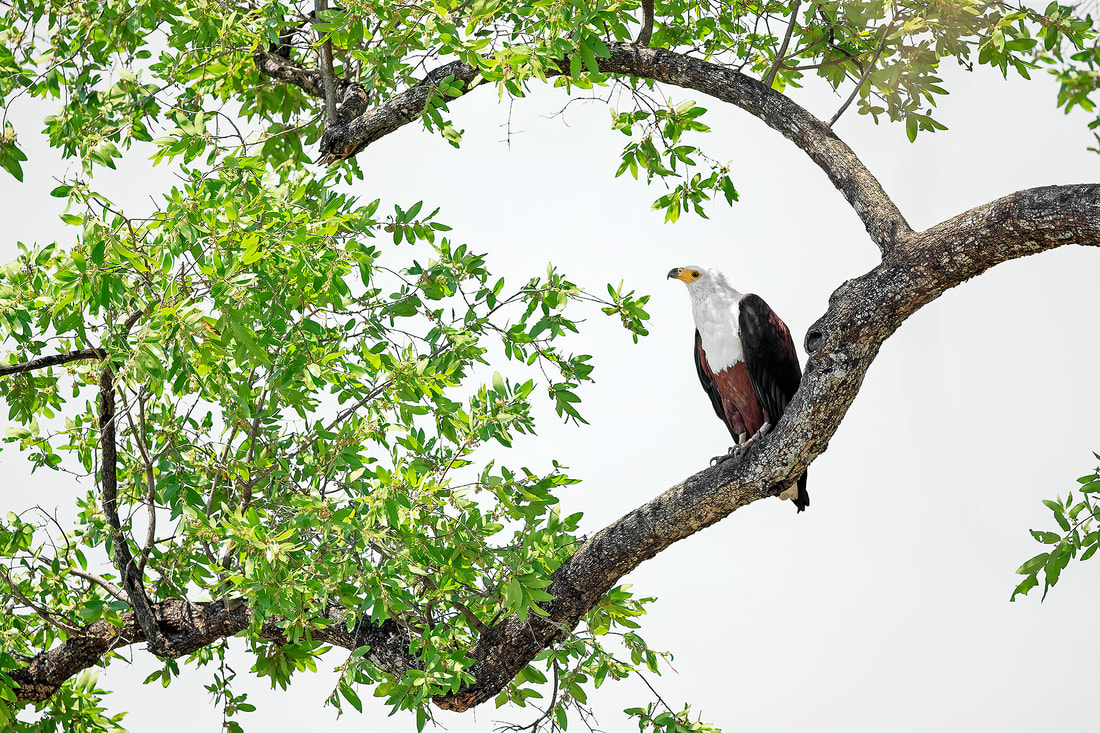 African fish eagle 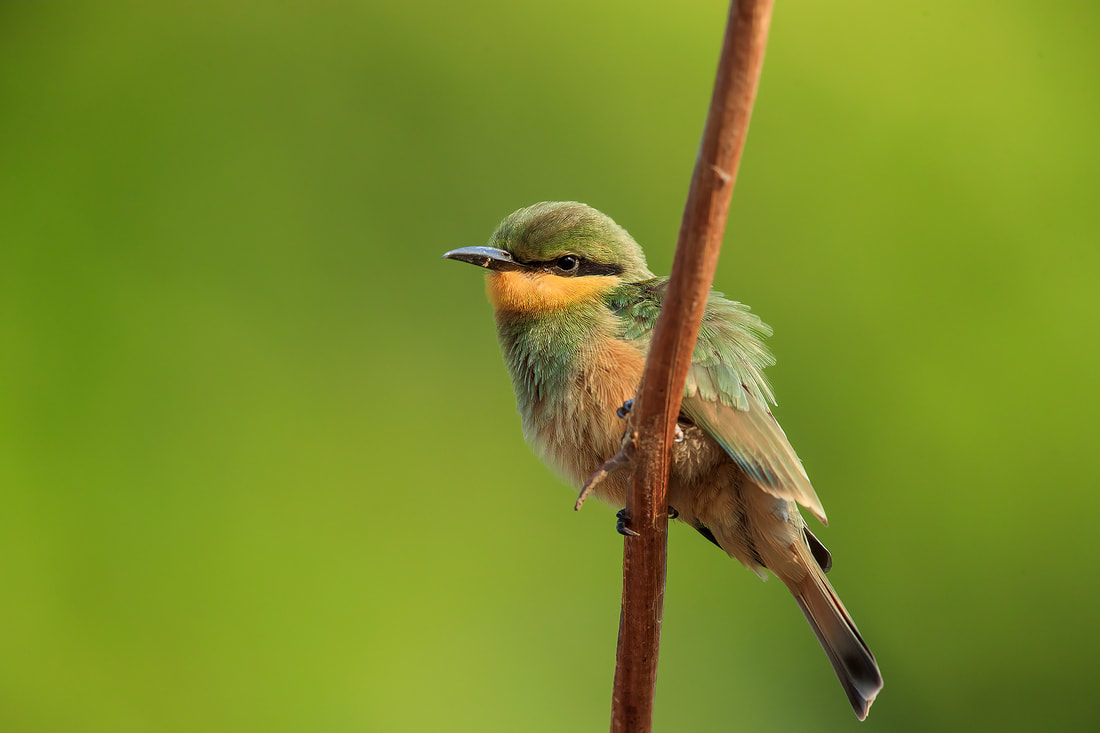 Little bee-eater 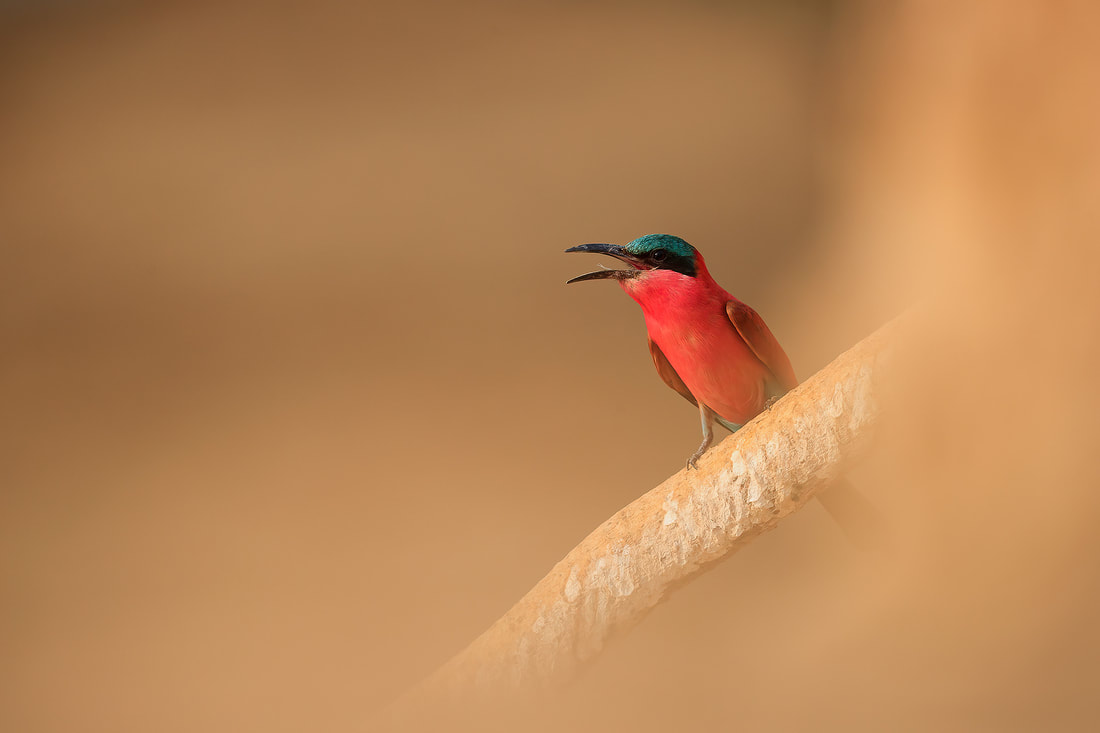 Southern carmine bee-eater As you can see, South Luangwa is an exceptional destination to photograph birds. However, the birdlife wasn't the primary focus for most of our group. The majority of people that join me on safari here are after the park's iconic mammals such as leopard, lion, elephant and African wild dog. There is of course a wide array of species that call the park home, including plenty of herbivores. 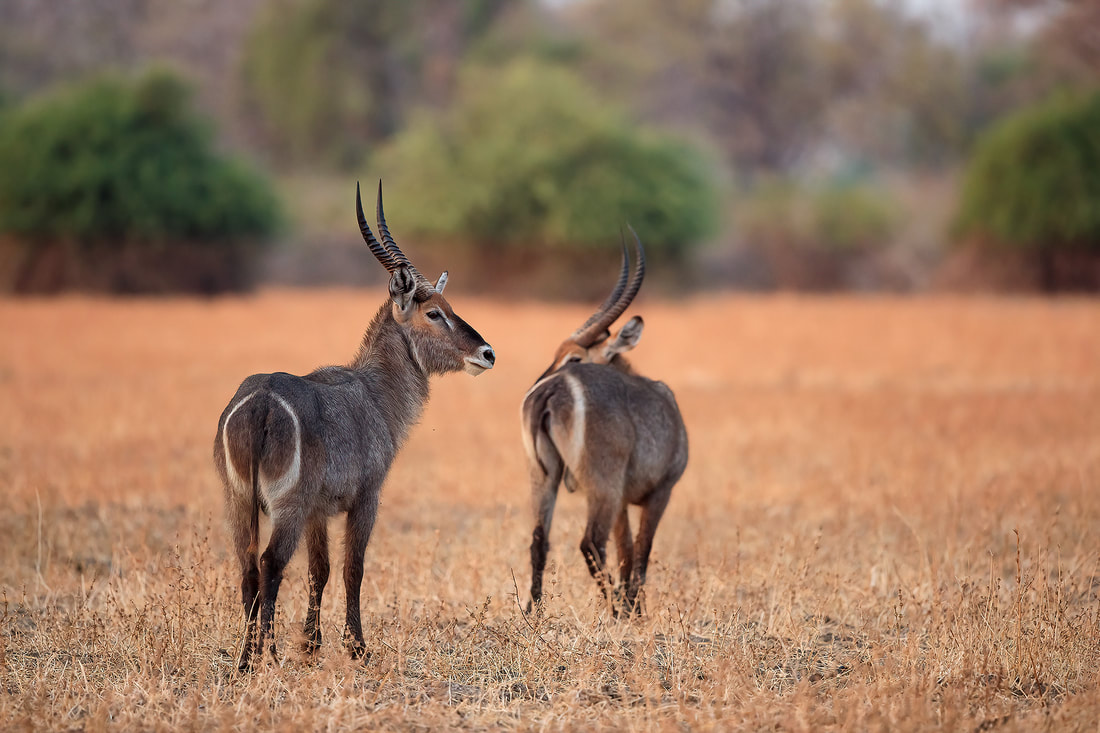 Waterbuck 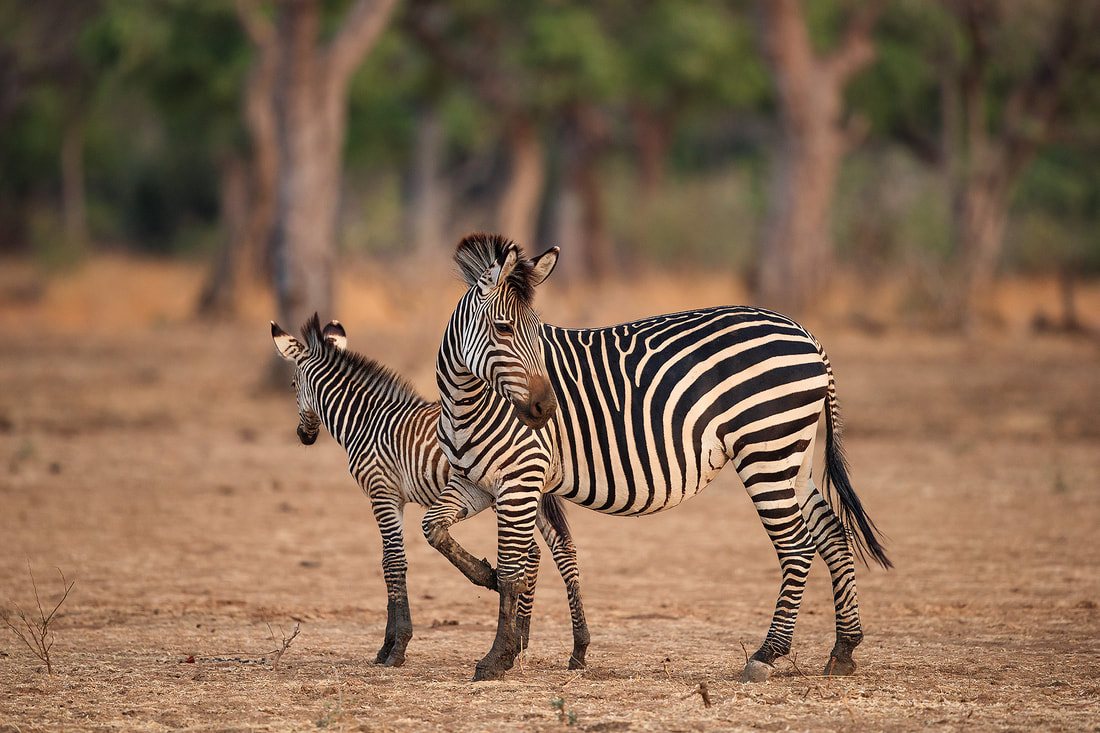 Crawshay's zebra 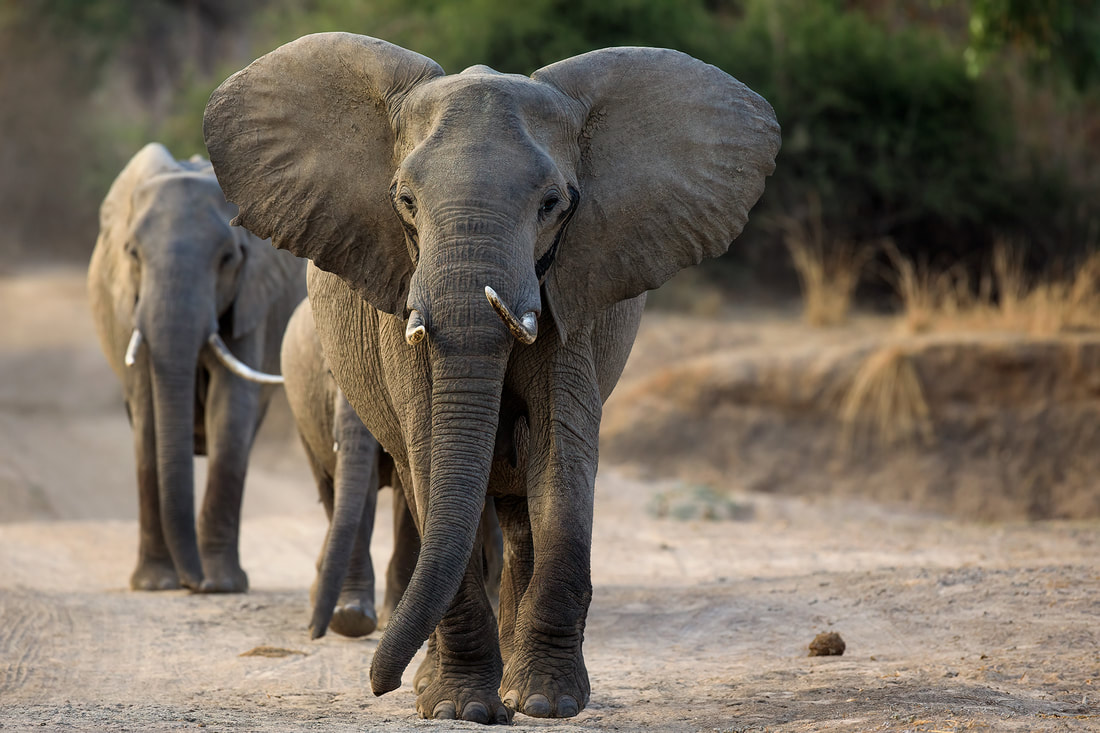 African bush elephant And now for the species you really wanted to see ... 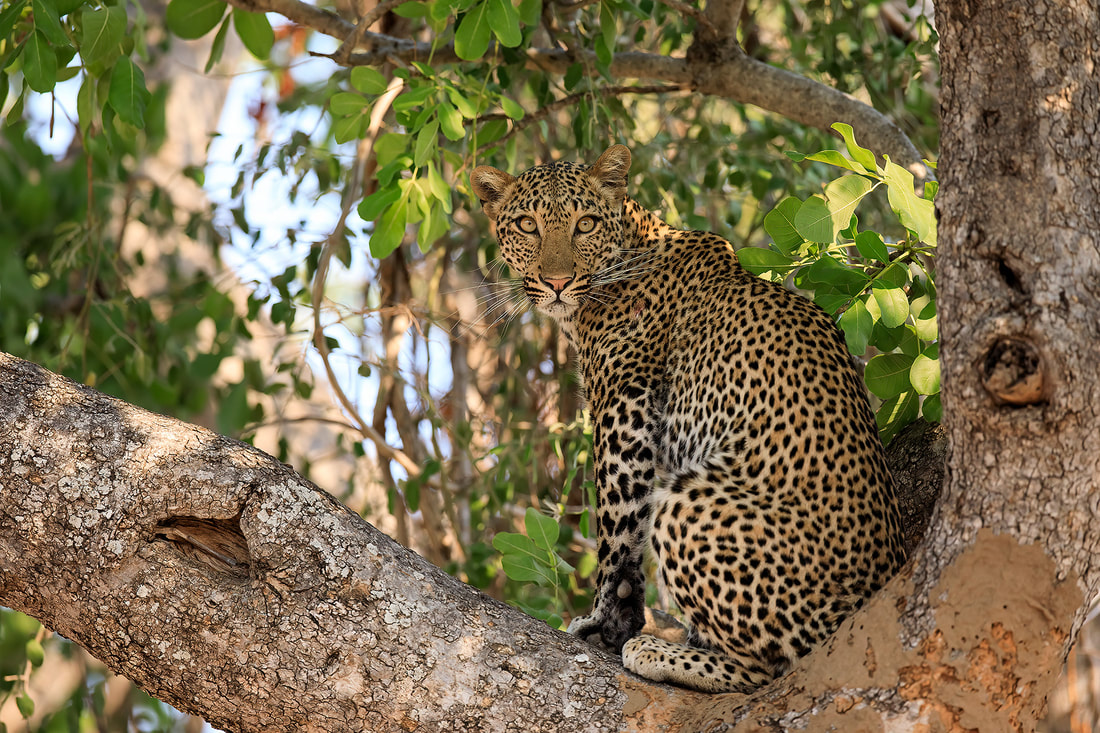 Leopard 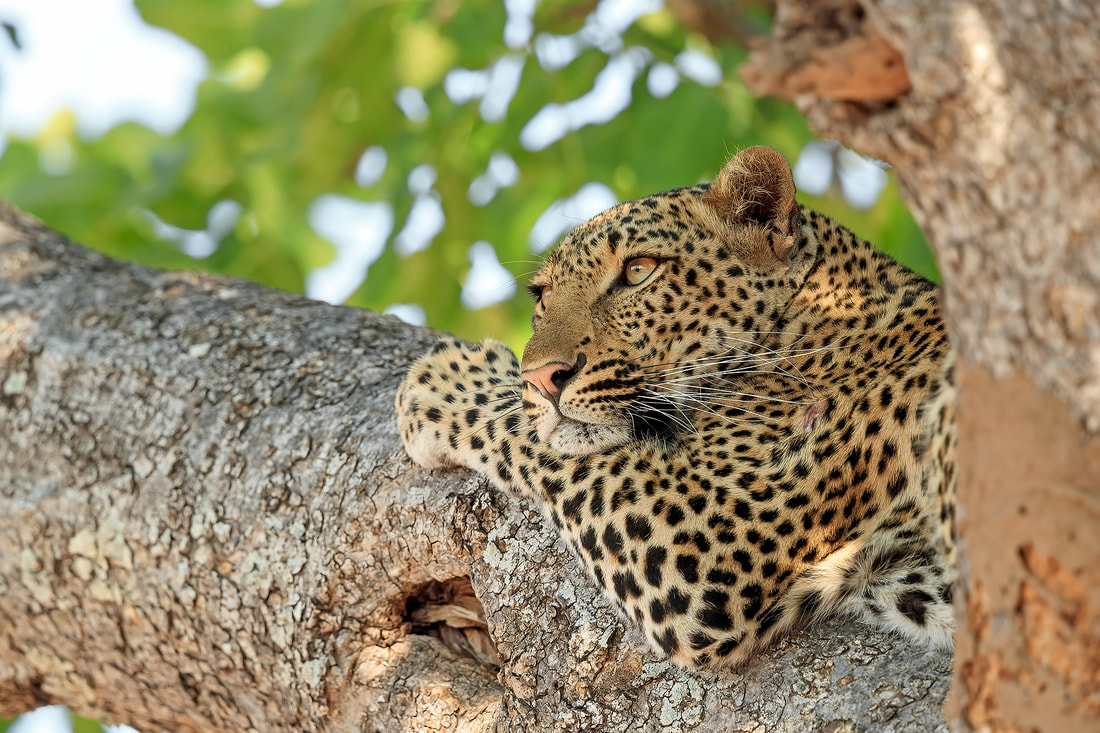 Leopard resting in tree 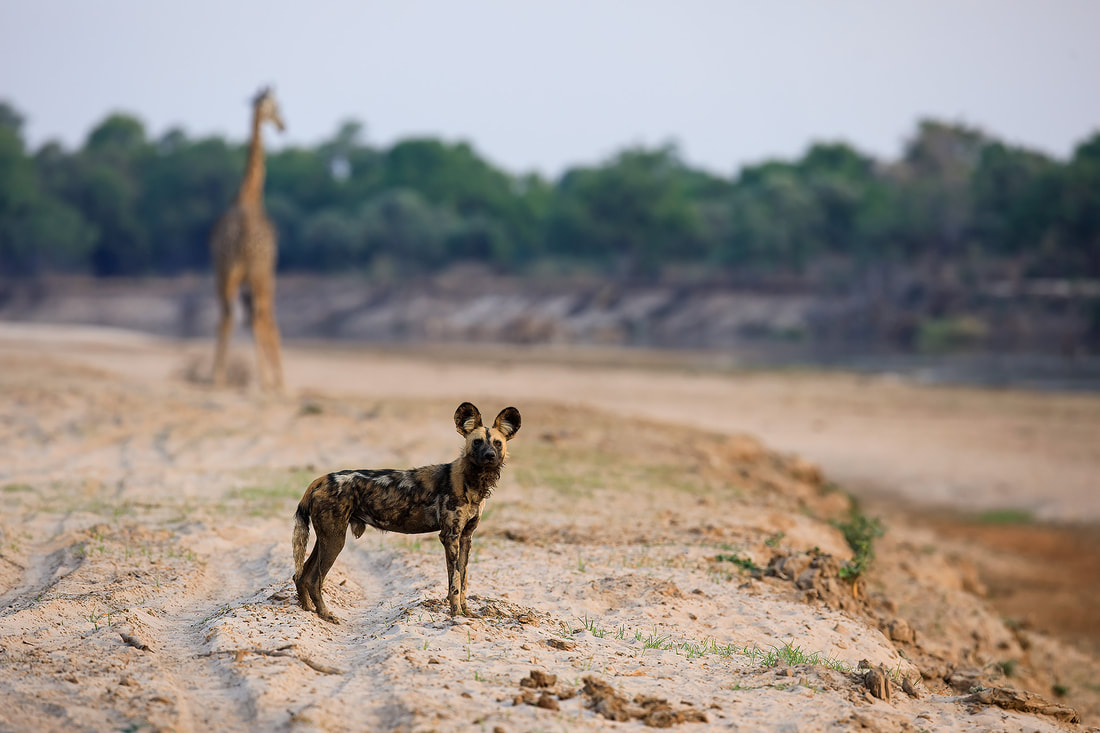 African wild dog with Thornicroft's giraffe We were treated to some incredible encounters with African wild dogs throughout the safari. The afternoons were particularly fruitful as the dogs were choosing to rest on the sandy banks along the Luangwa River. As well as intimate portraits, we were able to capture some wonderful environmental scenes. For many, the main reason for coming to South Luangwa National Park is for leopard. For many years now, the park has gained a reputation as one of the best places in Africa to see leopard and we have were fortunate to have numerous encounters with a couple of different individuals. However, it was one evening where we heard baboon alarm calls that we were treated to a truly exceptional encounter. 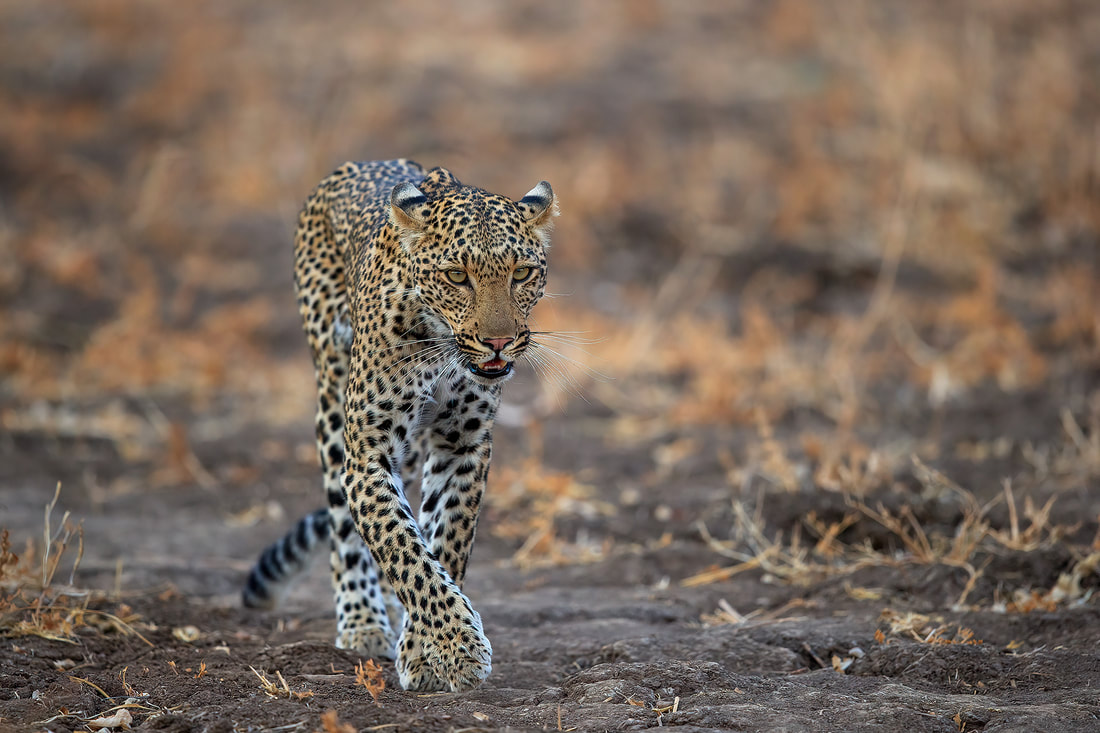 Young leopard 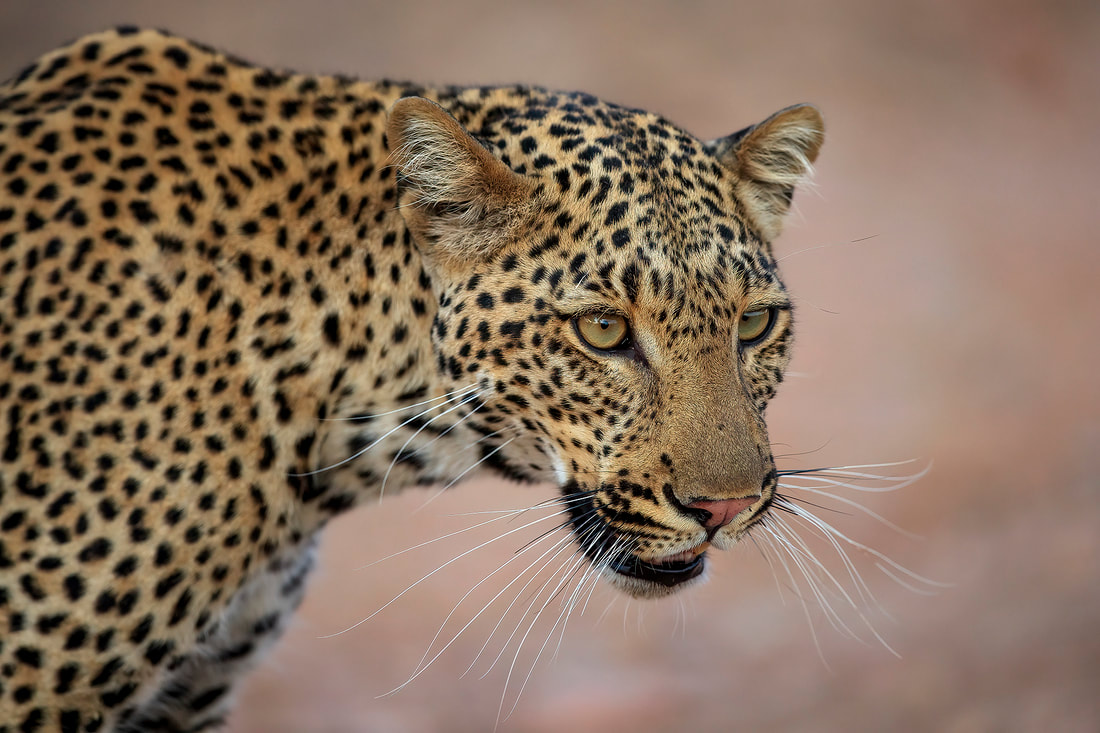 Close encounter with the leopard As you can see, we positioned the vehicle in such a way to maximise the photography opportunities for the clients, all the while ensuring that the leopard wasn't disturbed by our presence. Working closely with my guide, and good friend Bwalya, we ascertained that she was likely to visit the drying lagoon for a drink and parked just along the pathway she was most likely to take. Our plan came to fruition and she walked within only a couple of metres from the vehicle, looking past us before continuing down towards the water. 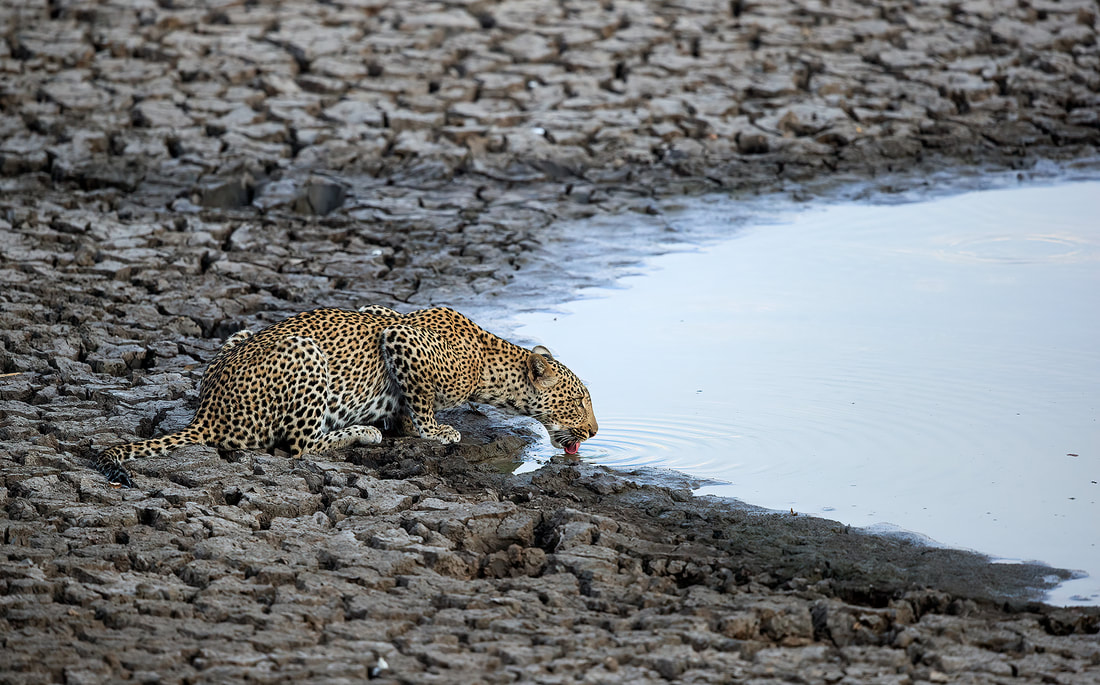 Leopard drinking from lagoon It isn't often that everything comes together perfectly, but when it does you are left with a sense of pure joy. It was an encounter that will live long in the memory and I can't wait to head back to Zambia again later this year leading for Wildlife Worldwide.
Where do I begin? Well, firstly I must say that I have been utterly useless in keeping the blog up to date. An awful lot has happened in the past 4-5 months, including moving house to the Scottish Highlands, leadings tours left right and centre and of course, photographing the world's magnificent wildlife. Anyway, enough about that, it is finally time to finish off sharing my imagery from Colombia. Enjoy! 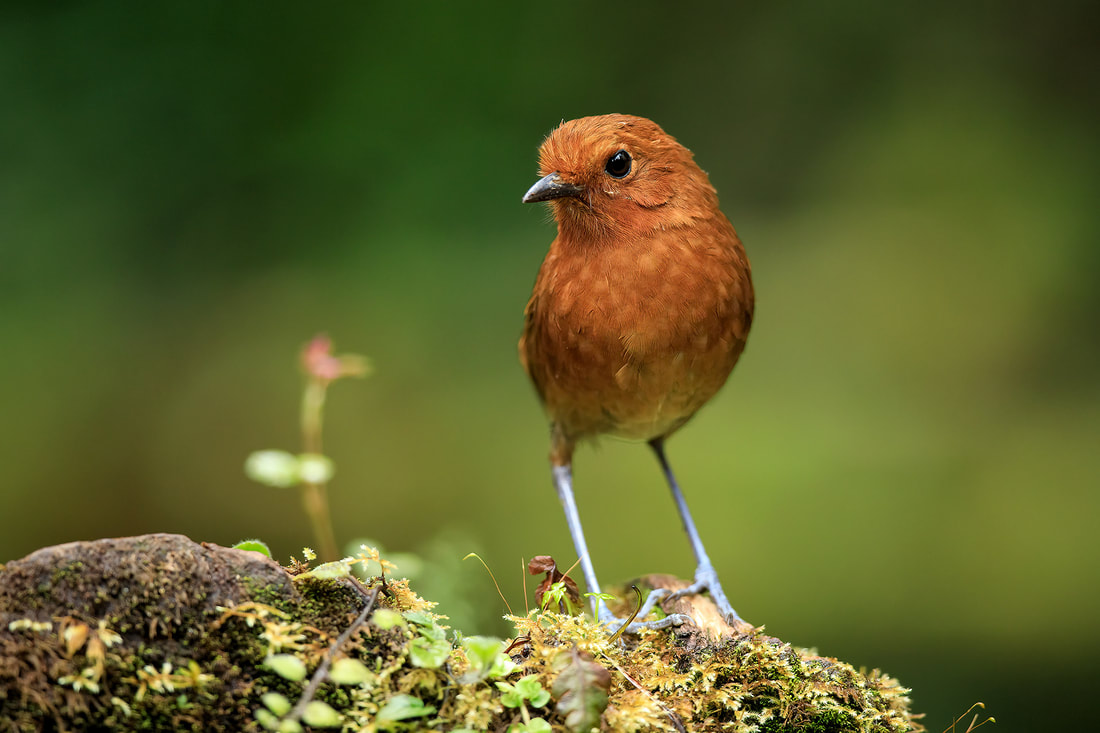 Chami antpitta To start with, I am sharing a few images of the charming Chami and chestnut-naped antpittas. These charming little birds have been habituated above the historic town of Jardin in the western Andes of Colombia. Both birds were the perfect posers and we were able to enjoy some fabulous photography. 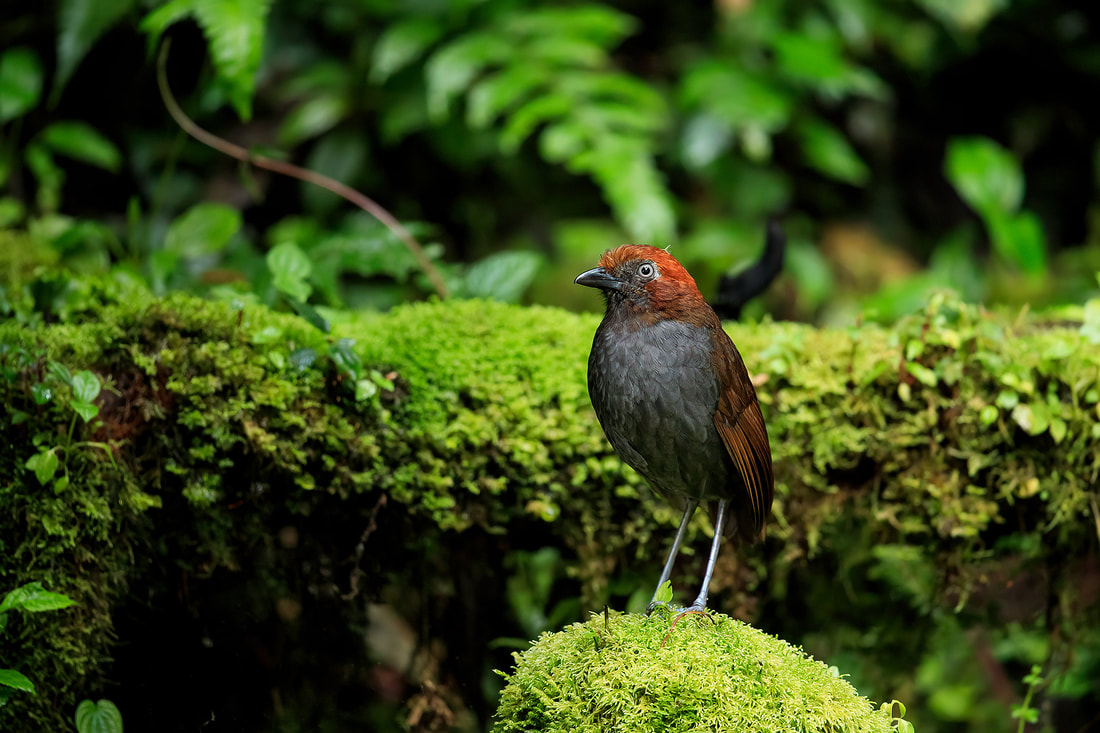 Chestnut-naped antpitta 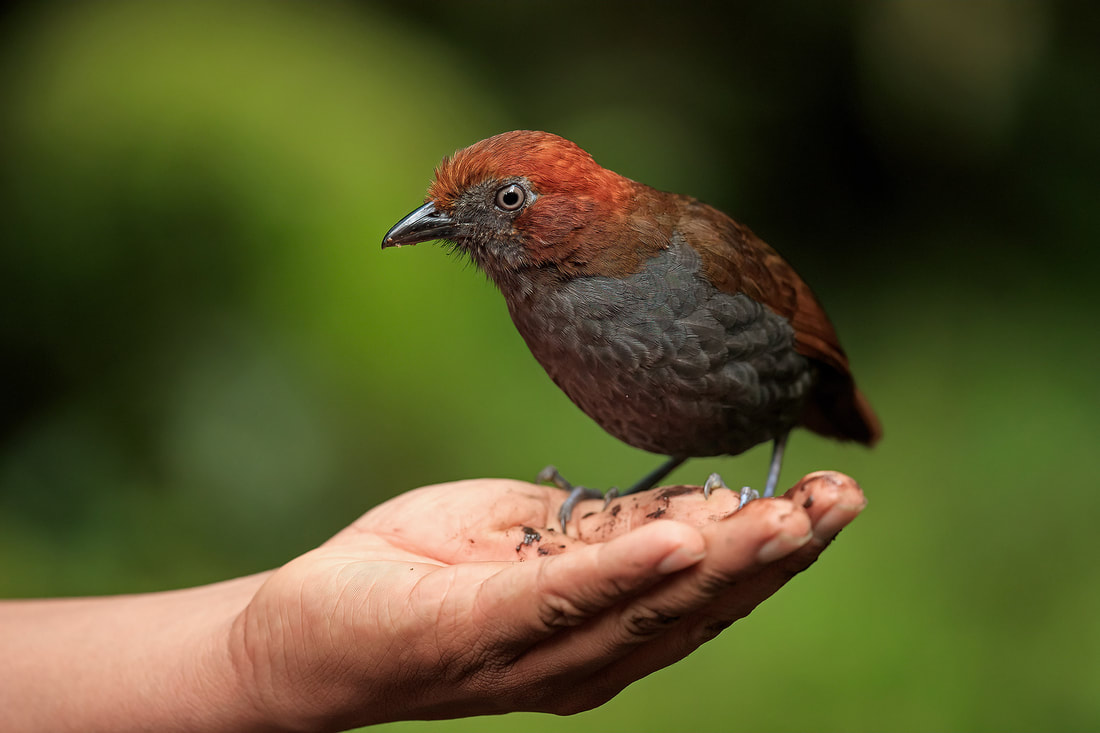 Chestnut-naped antpitta After spending around an hour in the cloud forest photographing these magnificent birds, we descended down to the road which gave us another incredibly special species, the yellow-eared parrot. Here it sat atop of the most magical perch, the only downside was the rogue tendril beneath this beautiful bird. 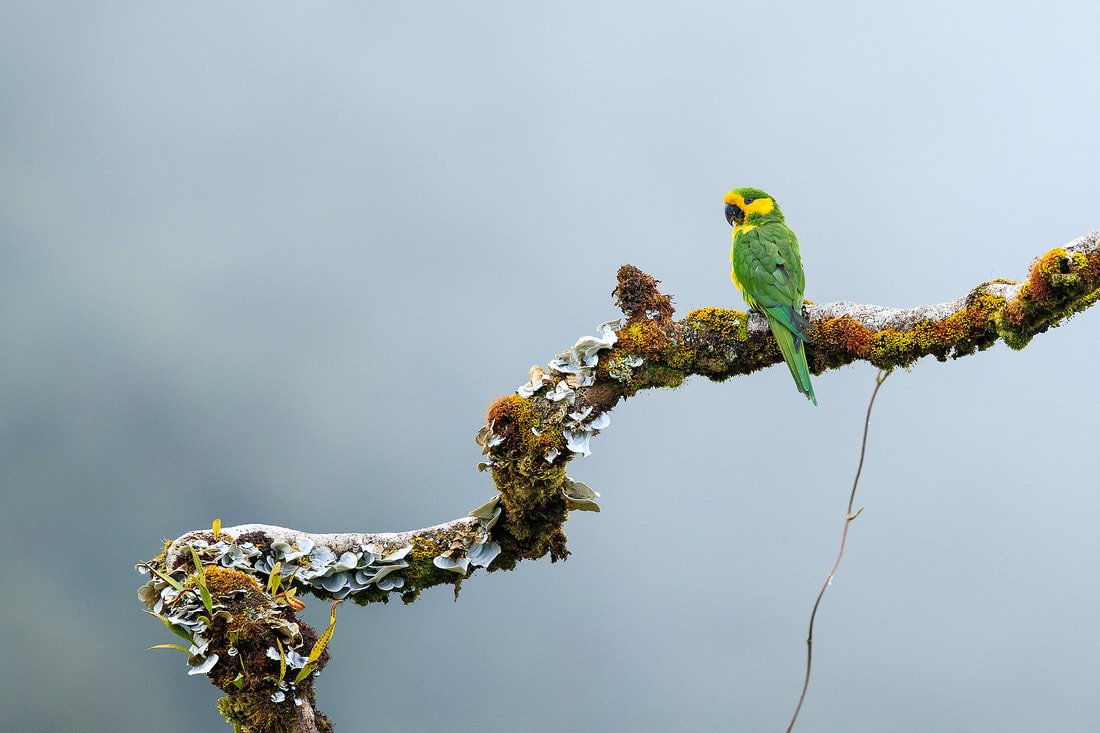 Yellow-eared parrot We then continued further along the road, spending the morning in the surrounds of a local garden. This lovely garden, perched on a hill-top with spectacular views of the cloud forest above and farmland below, was a haven for countless species. The highlight was undoubtedly having fantastic views of the golden-headed quetzal. 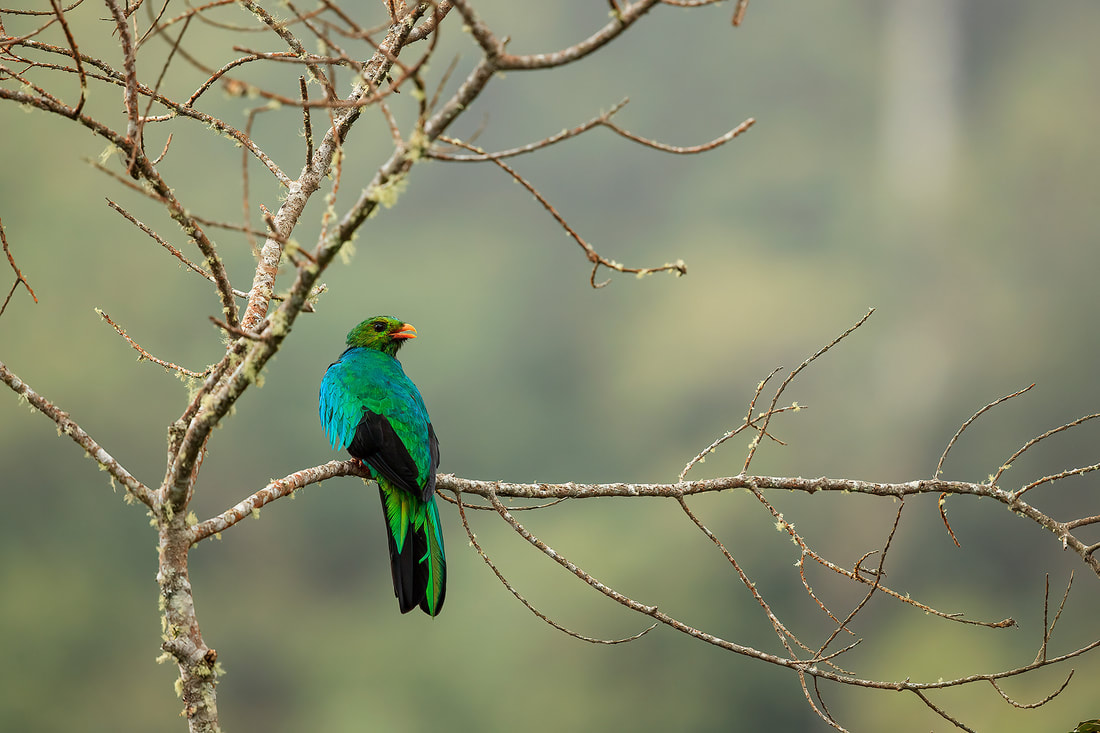 Golden-headed quetzal 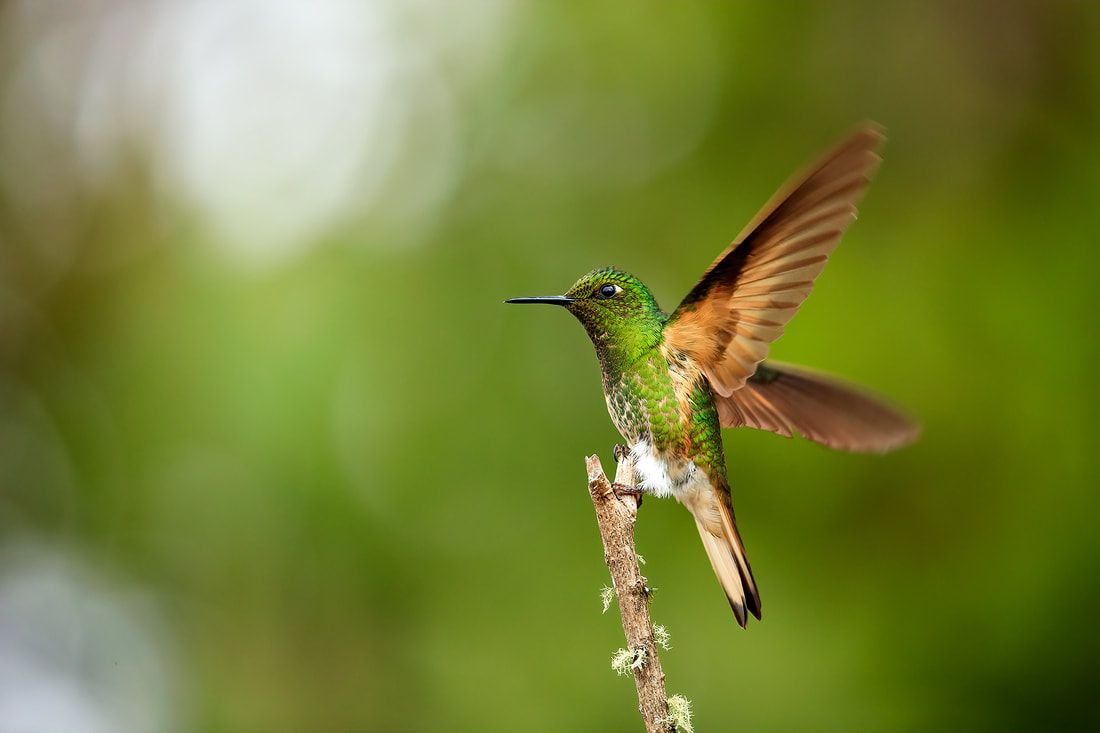 Buff-tailed coronet 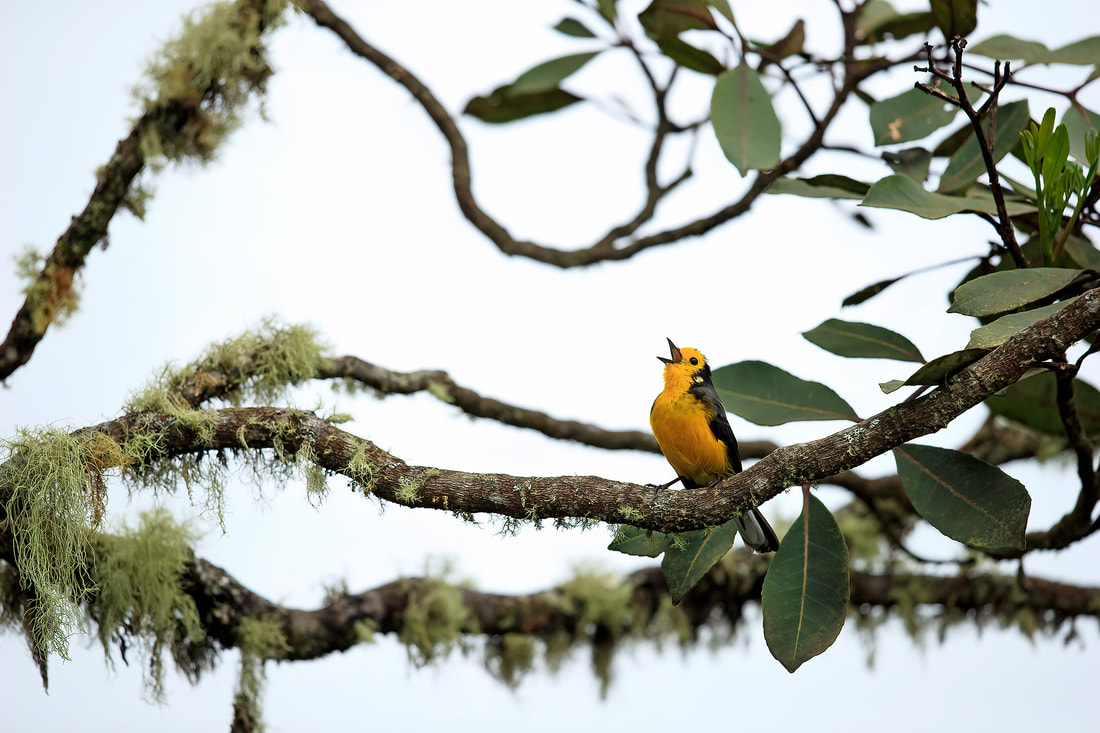 Golden-fronted redstart As well as exploring above the town of Jardin, we were able to visit the Andean cock-of-the-rock lek situated on the river that runs along the town's edge. It is possible to find up to 20 different males showing off as they try to attract a mate. Making an awful racket, they do their best to show off their magnificent plumage. This really is a spectacle and the photography opportunities are exceptional too. 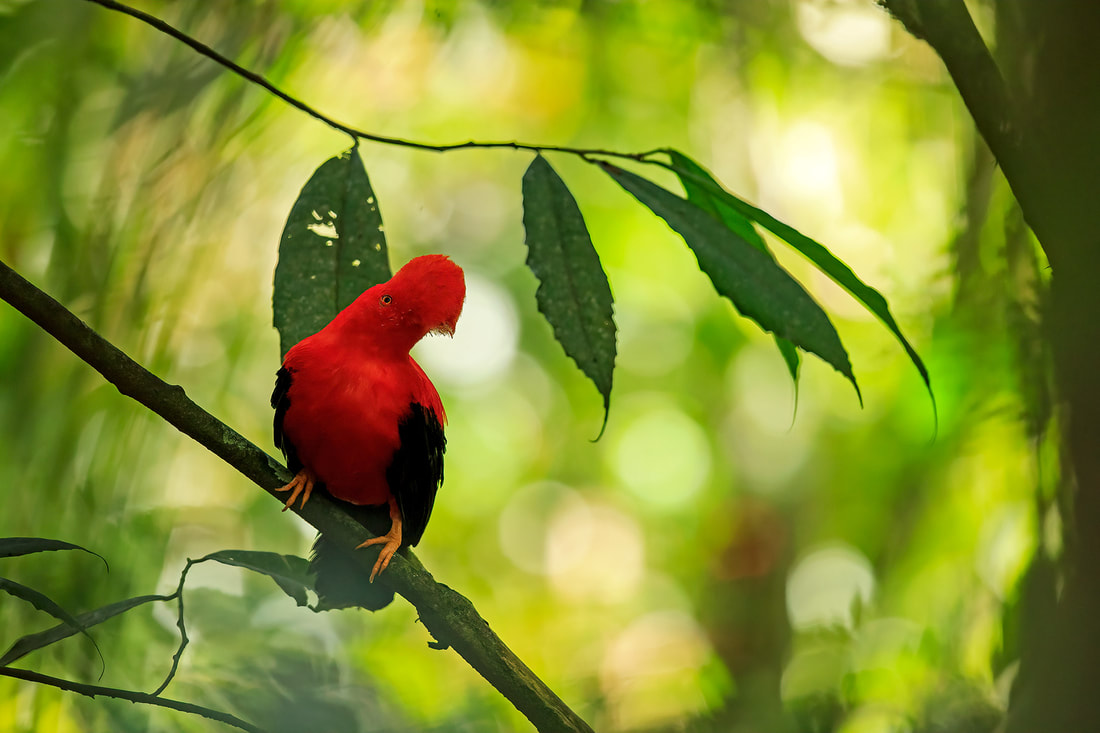 Andean cock-of-the-rock 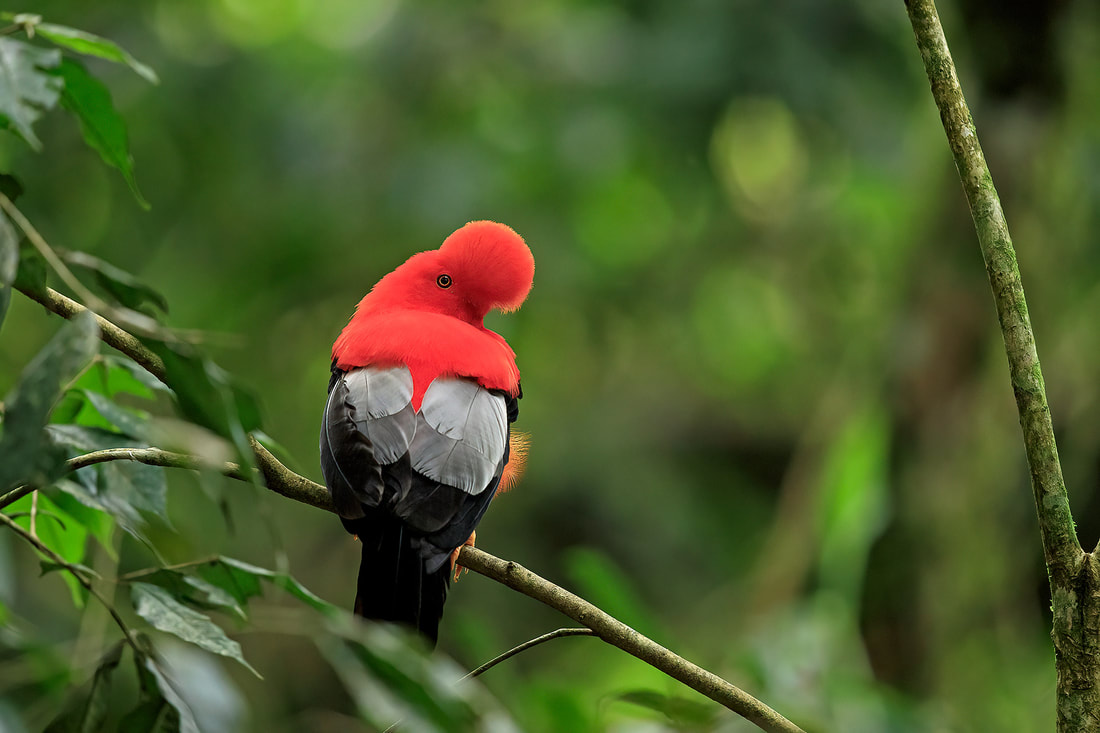 Andean cock-of-the-rock 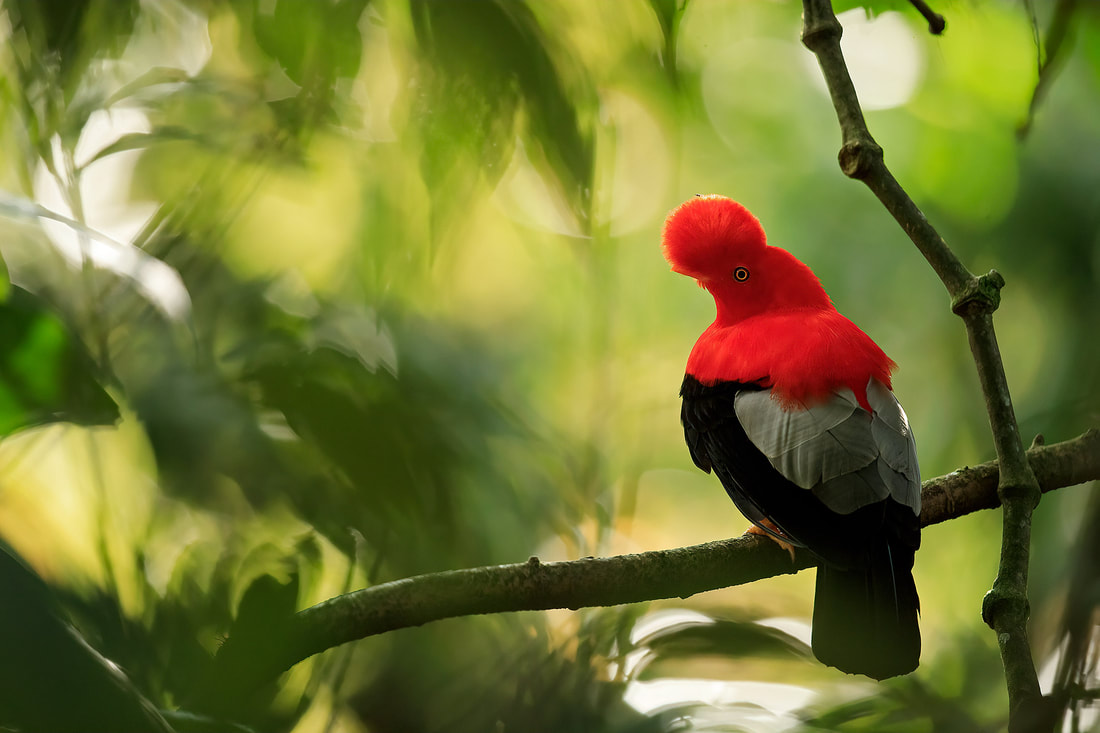 Andean cock-of-the-rock With time nearly running out on this bird photography extravaganza, we had one last day out in the field trying to find yet another endemic species. This time, we were in Parque Nacional Natural Sumapaz and our target bird was the green-bearded helmetcrest. The weather had taken a turn for the worst at this high-altitude paramo habitat, and so we searched for this diminutive species of hummingbird in the freezing rain and strong winds. We really struggled to find any adults in their finest plumage, but were instead spoiled with exceptional views of a pair of fledglings. This was arguably even more special than seeing an adult as these youngsters are rarely seen. 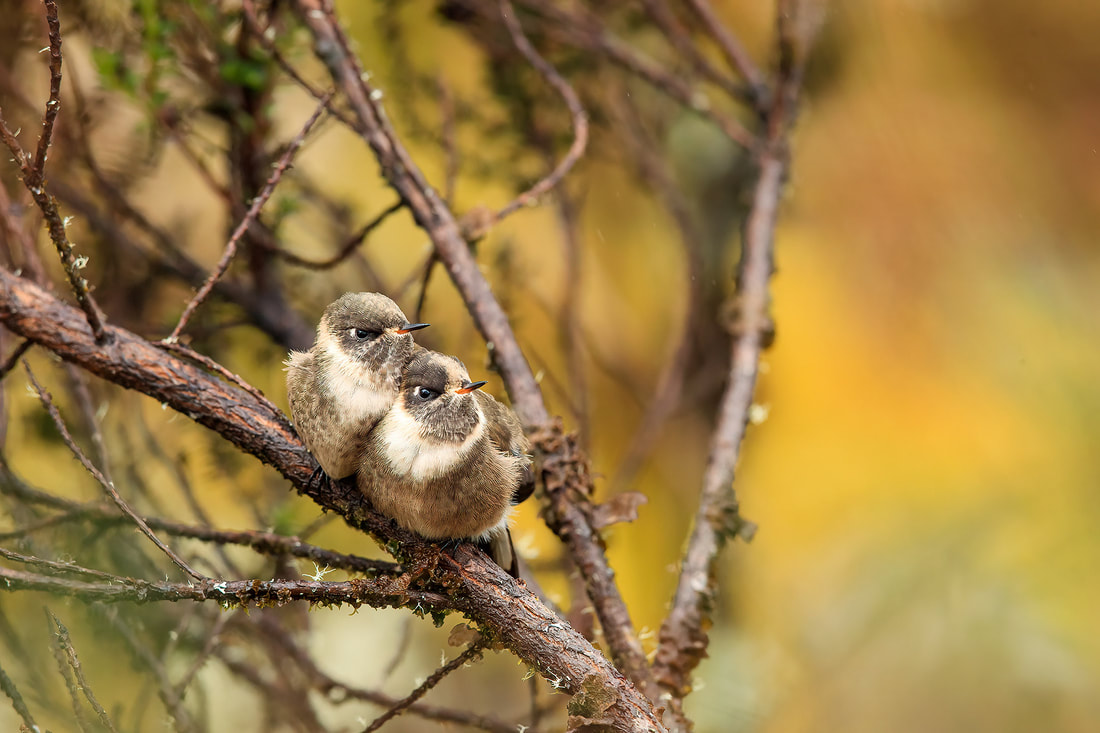 Green-bearded helmetcrest fledglings It has been another action-packed year for me. With the travel sector back in business, I was busier than ever (making up for lost time) leading tours left, right and centre. With such a busy year, I haven't really had time to focus on my own projects, but I was able to capture a few wonderful moments when out in the field with clients. So with that in mind, I thought I would share my 'Top 5' images from the year of 2022. I should add that these are in chronological order and just a small selection of some of personal favourites. In case you haven't yet realised, I really love taking portraits of wildlife. 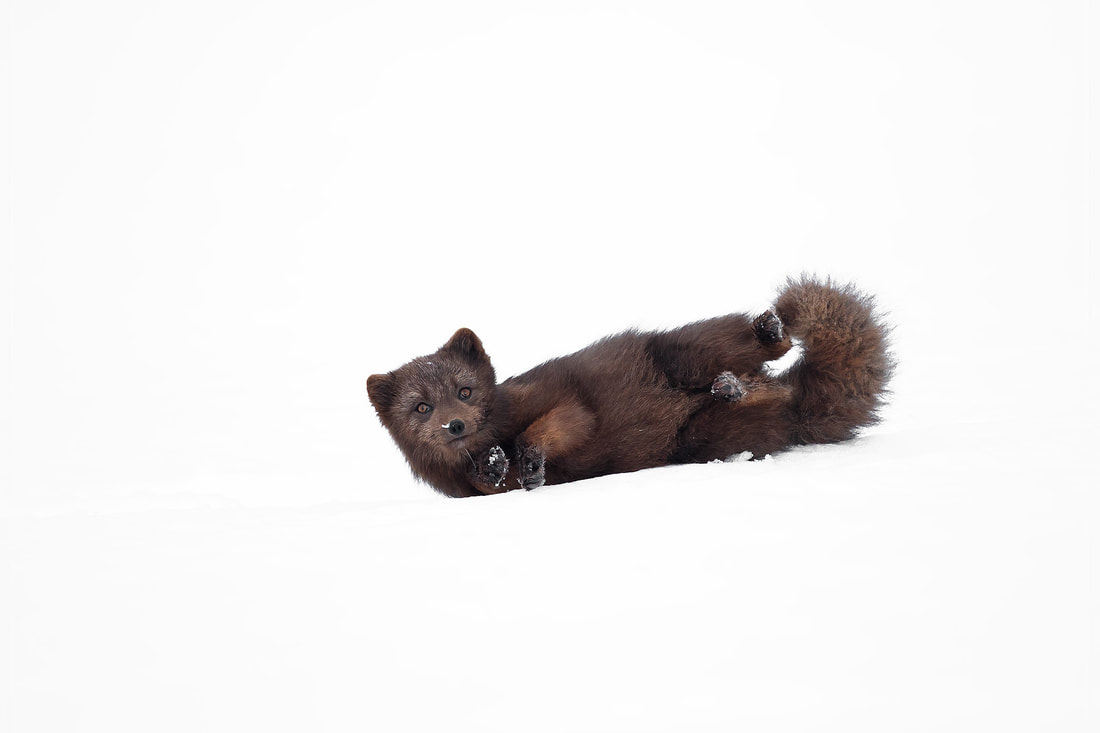 1. Blue morph Arctic fox in Iceland 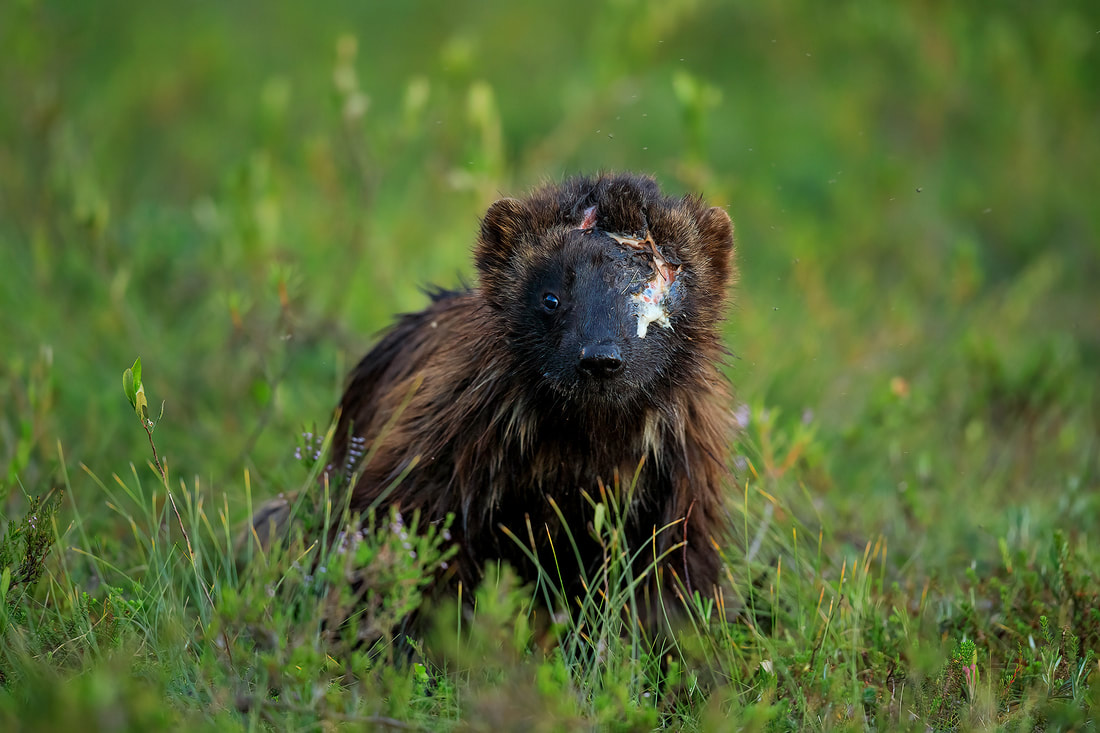 2. Wolverine with a severe injury to it's eye, Finland 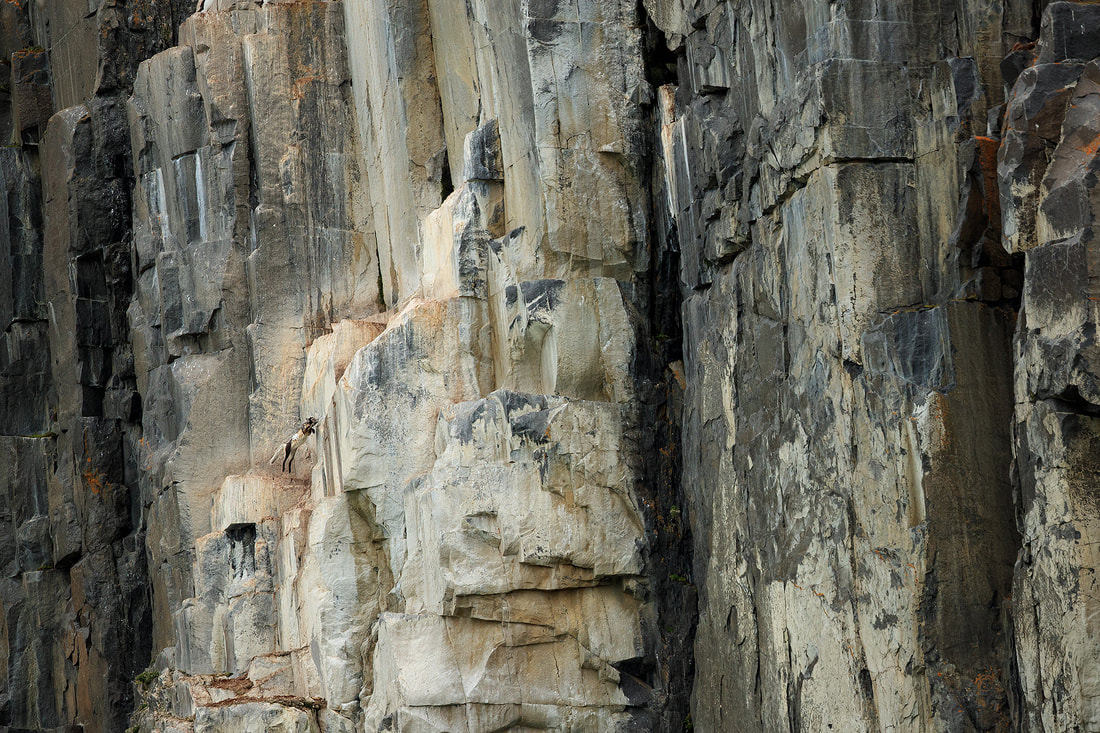 3. An Arctic fox leaps up a vertical cliff in Svalbard 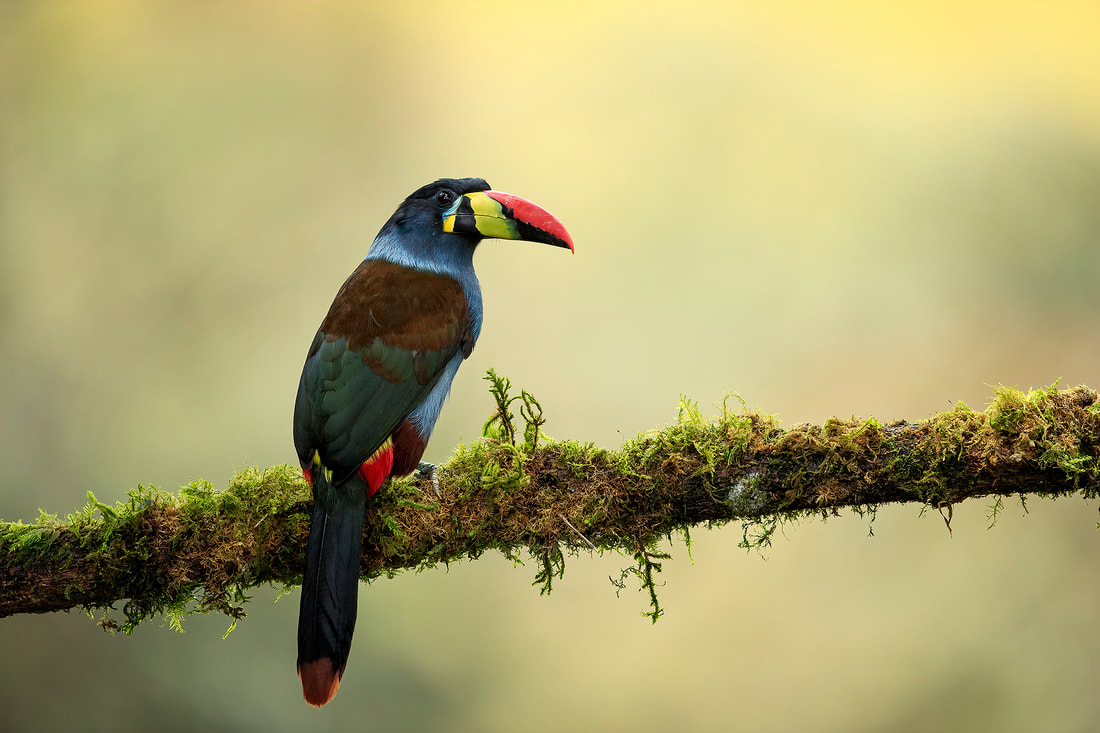 4. Grey-breasted mountain toucan posing on a branch in Colombia 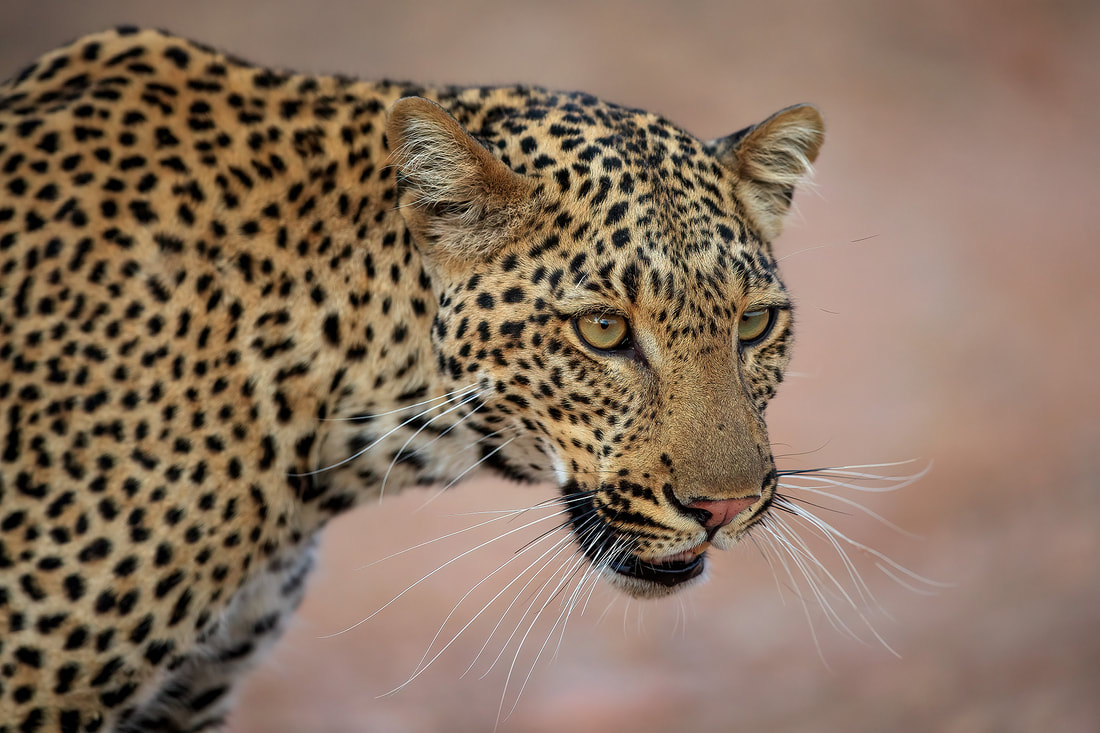 5. A leopard in South Luangwa National Park, Zambia I would love to know which is your favourite. The wonderful thing about photography is that it is completely subjective. My decision making behind this selection is probably biased, as my memories of each moment are likely to change my perception of the image itself. Anyway, I do hope you enjoy them.
2023 promises to be another busy year and I will do my utmost to keep this blog up to date. In the mean time, I have two more posts to come from my Colombia tour, another focusing on South Luangwa in Zambia and a final one from Australia. Happy reading! I know. It has been a while since I last posted about the wonderful bird photography tour I led to Colombia for Wildlife Worldwide. I left you after photographing the absolutely beautiful toucan barbets of the western Andes. Today I am going to whisk you further north towards the city of Manizales and share with you a kaleidoscope of new colours and forms. Of course, with this being a bird photography tour, if you aren't a fancier of our avian friends, I suggest you wait for my upcoming blog on Zambia's South Luangwa National Park. So to start you off easy, here are a couple of images taken from the Tinamou private reserve. The first was the diminutive golden-collared manakin. This tiny bird was incredibly challenging to photograph and my entire group had to work extremely hard to capture a 'record' shot - it was definitely about trying to capture it in its thick rainforest home. The second bird from here is the striking bar-crested antshrike. 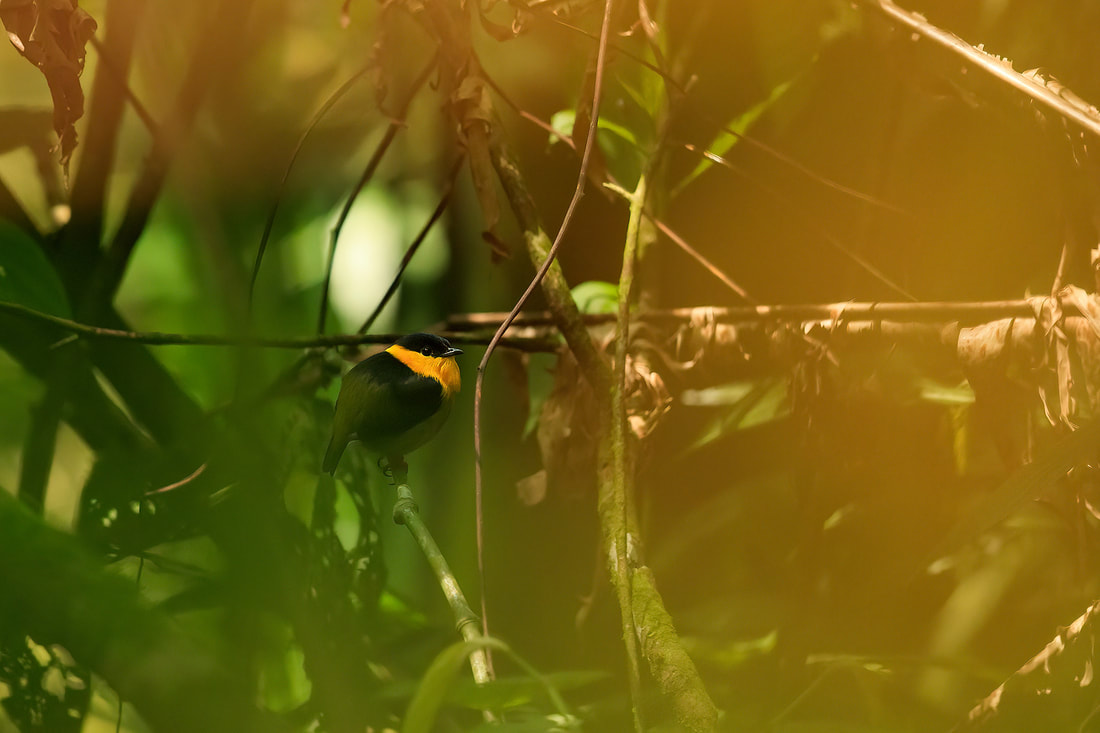 Golden-collared manakin 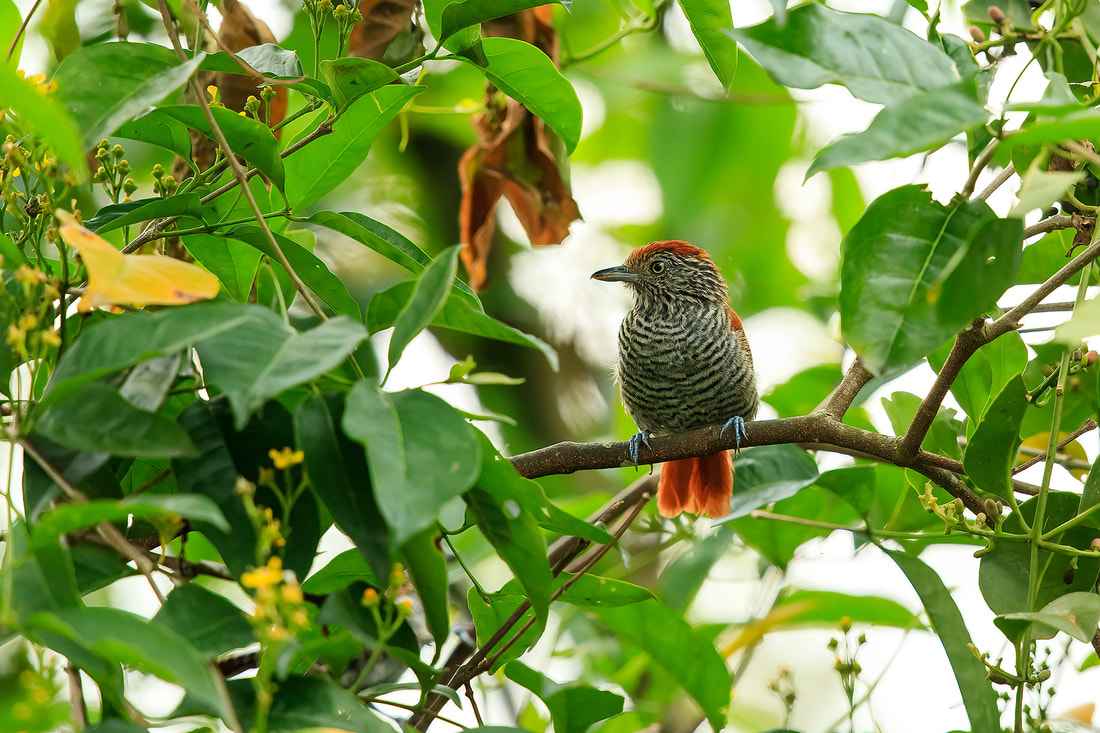 Bar-crested antshrike After a couple of days exploring the trails and gardens of Tinamou, we headed across Manizales to the protected area of Rio Blanco Reserve. This cloudforest habitats has been set aside as a water catchment area for city below and in turn provides a refuge for numerous sought-after bird species. It is particularly well known for several species of antpitta - the most photogenic of these was undoubtedly the chestnut-crowned antpitta which was a perfect poser. The whole group were treated to some exceptional photography opportunities from only yards away. After a morning with the antpittas we spent a prolonged period around the garden feeders, which attracted numerous hummingbirds such as buff-tailed coronet (the most common visitor) and the star bird which was the long-tailed sylph, alongside a number of other passerines. 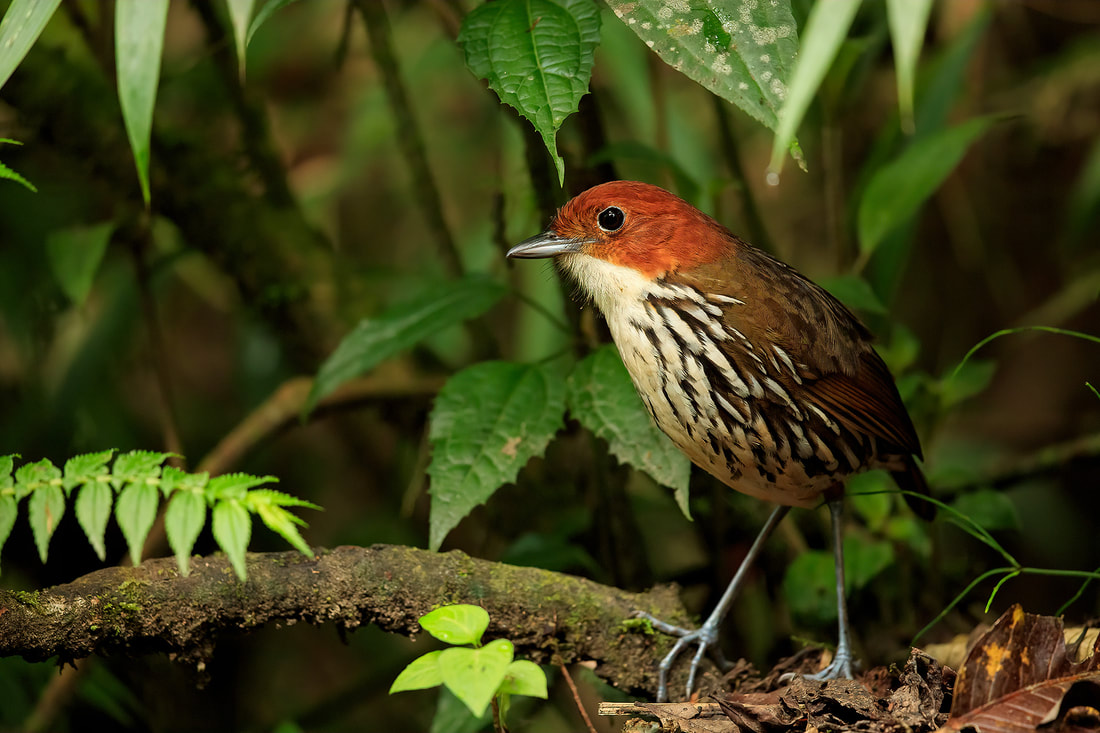 Chestnut-crowned antpitta 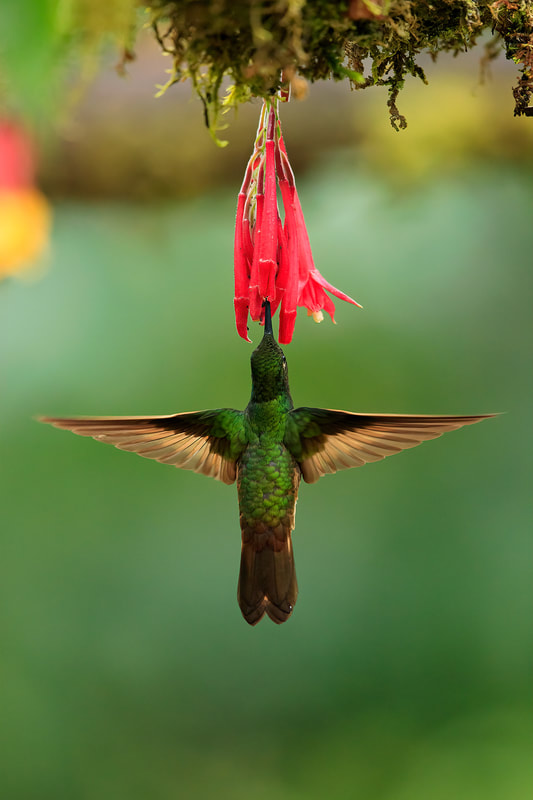 Buff-tailed coronet 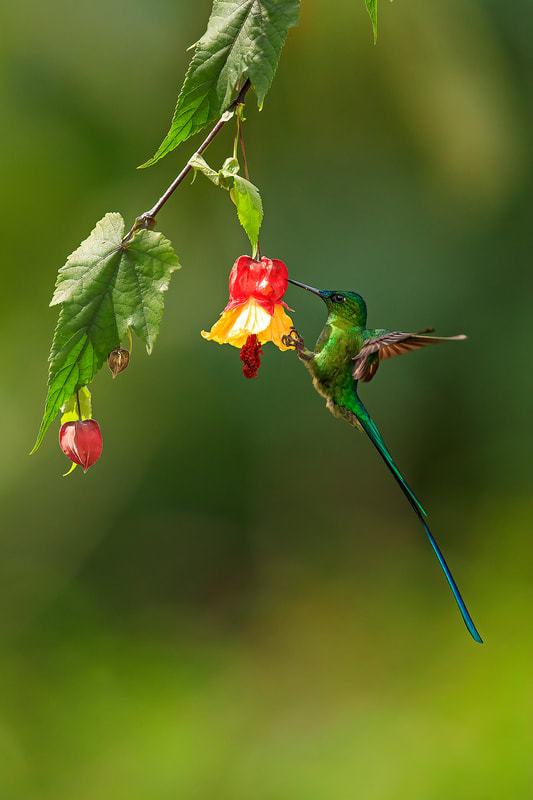 Long-tailed sylph As we descended down the mountain back towards the city of Manizales, we came across our first roadside hawk of the tour - it posed perfectly as everyone snapped away - providing some wonderful photography opportunities. Further down the steep road, we stopped at a small reservoir's dam and immediately saw the handsome white-capped dipper. Like the roadside hawk, it posed beautifully for a brief moment on the dam wall. As we neared the bottom of the steep-sided mountain and crossed the river, our guide Juan spotted a torrent duck. These birds are notoriously hard to approach and tricky to photograph, but we were in luck as the bird was preoccupied with chasing a pair of white-capped dippers. The male duck was just the perfect subject as it came back and forth, stopping atop of numerous rocks with the lush forest-clad banks behind. 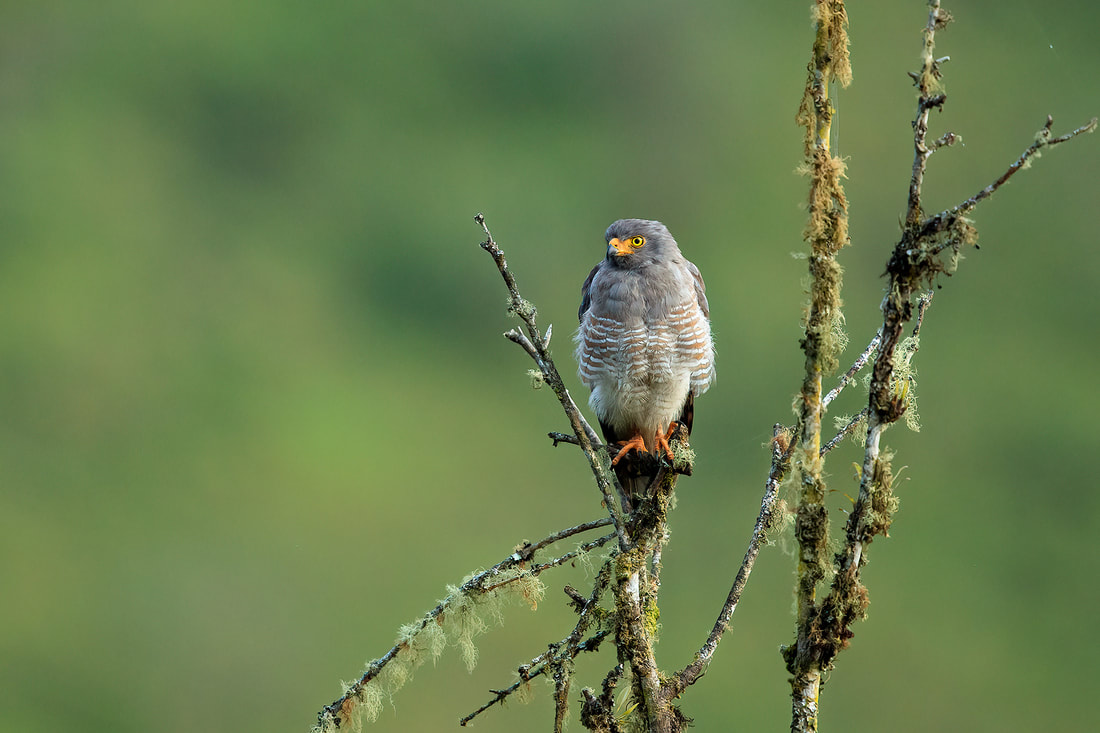 Roadside hawk 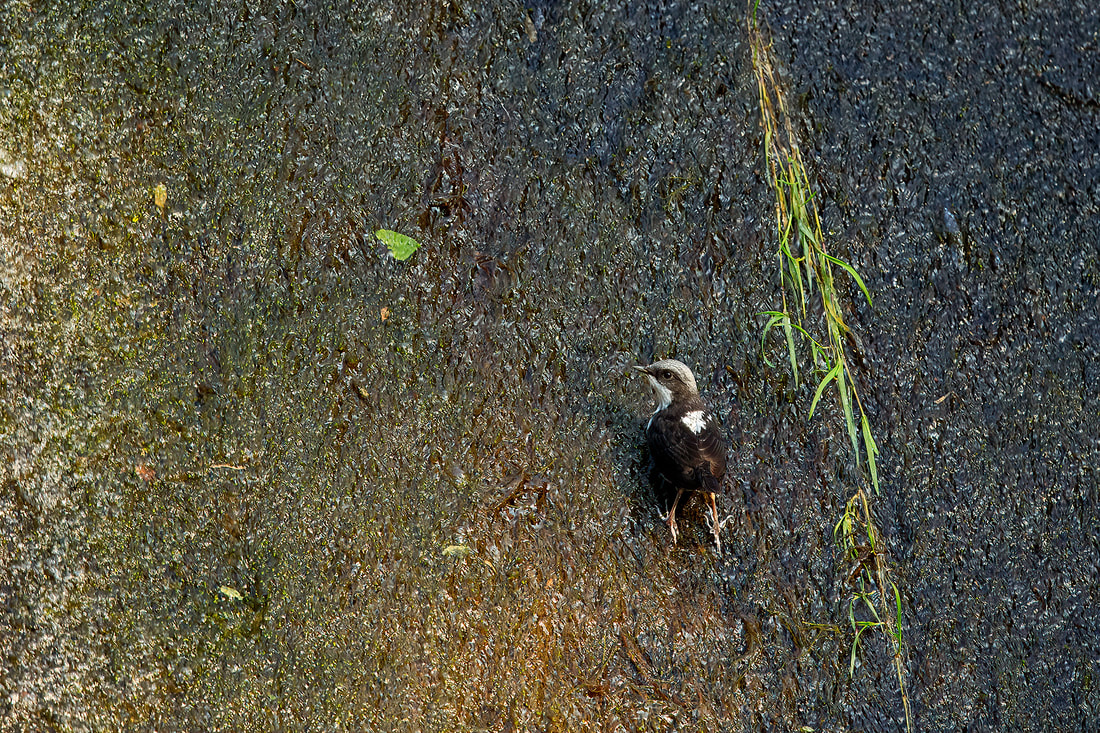 White-capped dipper 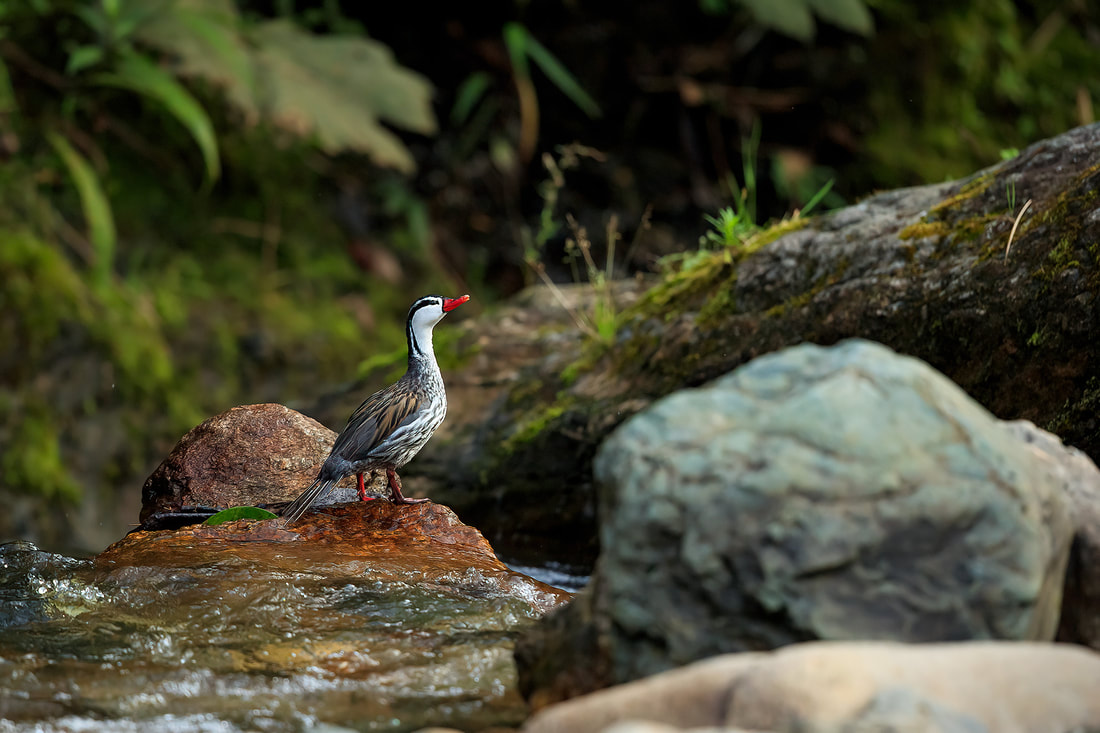 Torrent duck As I am sure you are starting to appreciate, Colombia is a birder's dream and as a wildlife photographer I think it is equally a rewarding. My group all took such a wide gamut of images, capturing numerous species in flight, feeding and just in their habitat. What more can you ask for?
I will try and bring you the next instalment within the next couple of weeks. In the meantime, you can read my tour report from the trip and find out more information on the Wildlife Worldwide website. It seems like things are slowly returning to normal for those who work in the wildlife travel industry. With things continuing to look up, I was delighted to be at the helm for Wildlife Worldwide's Colombia Bird Photography tour. We flew direct from London to Bogota and then on to the city of Cali across the central Andes in the Cauca Valley. It is important to note that Colombia is home to more birds than other country on Earth and the photography opportunities my group were treated to, were quite simply exceptional. I am going to share some of my images from the trip, spread across a few different instalments. I feel this is the only way to do this amazing country and the spectacular birdlife justice. 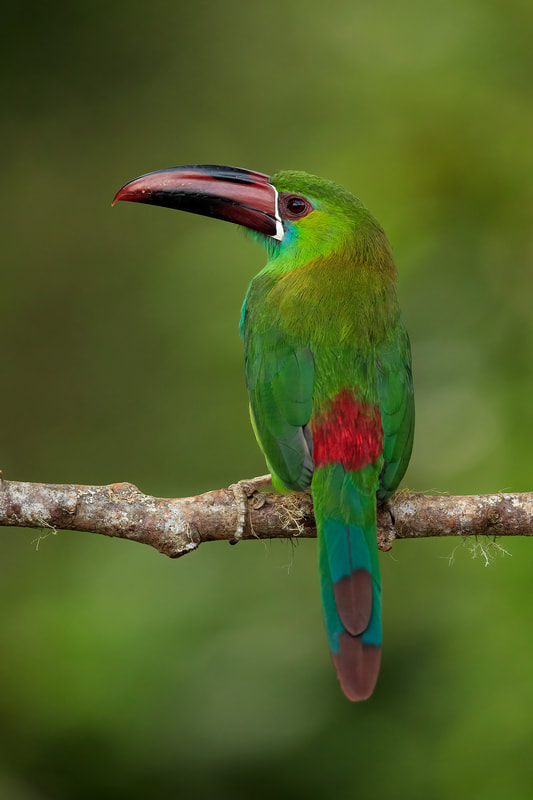 Crimson-rumped toucanet 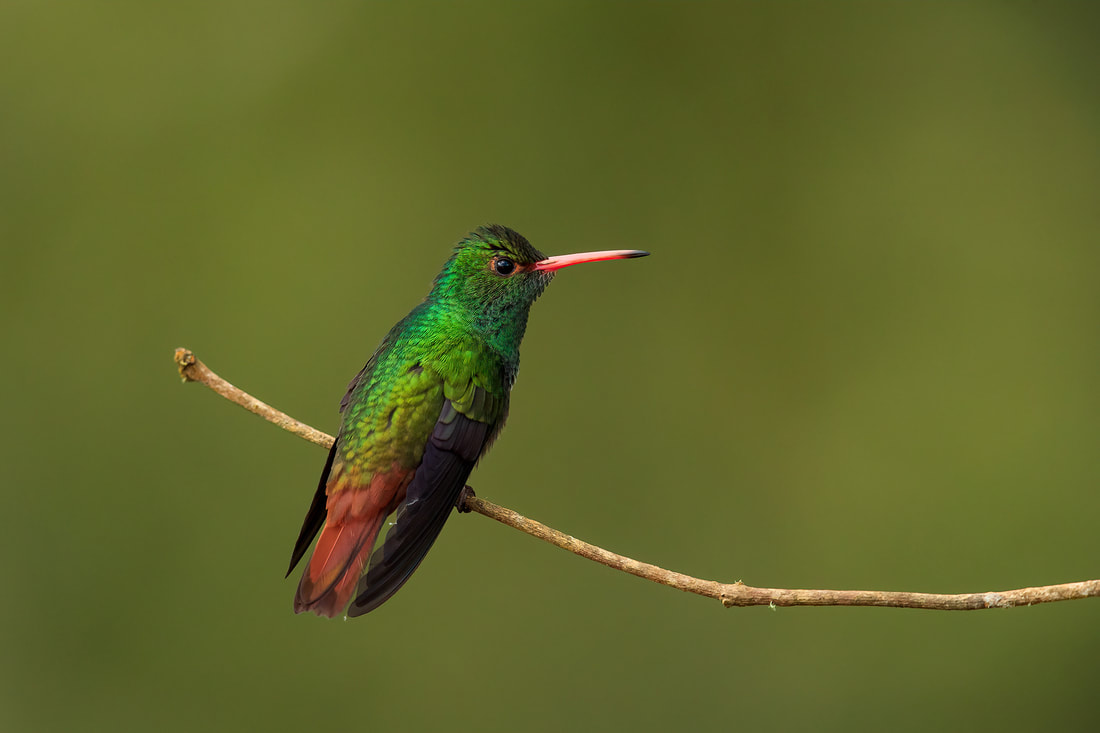 Rufous-tailed hummingbird On our first day, we spent a few days around the lodge's grounds and were blown away by the number of hummingbirds, tanagers, woodpeckers and even toucanets. The next day we moved across the mountain, high above the city of Cali where we hoped to photograph the elusive scaled antpitta and the massively sought-after multi-coloured tanager (see below). 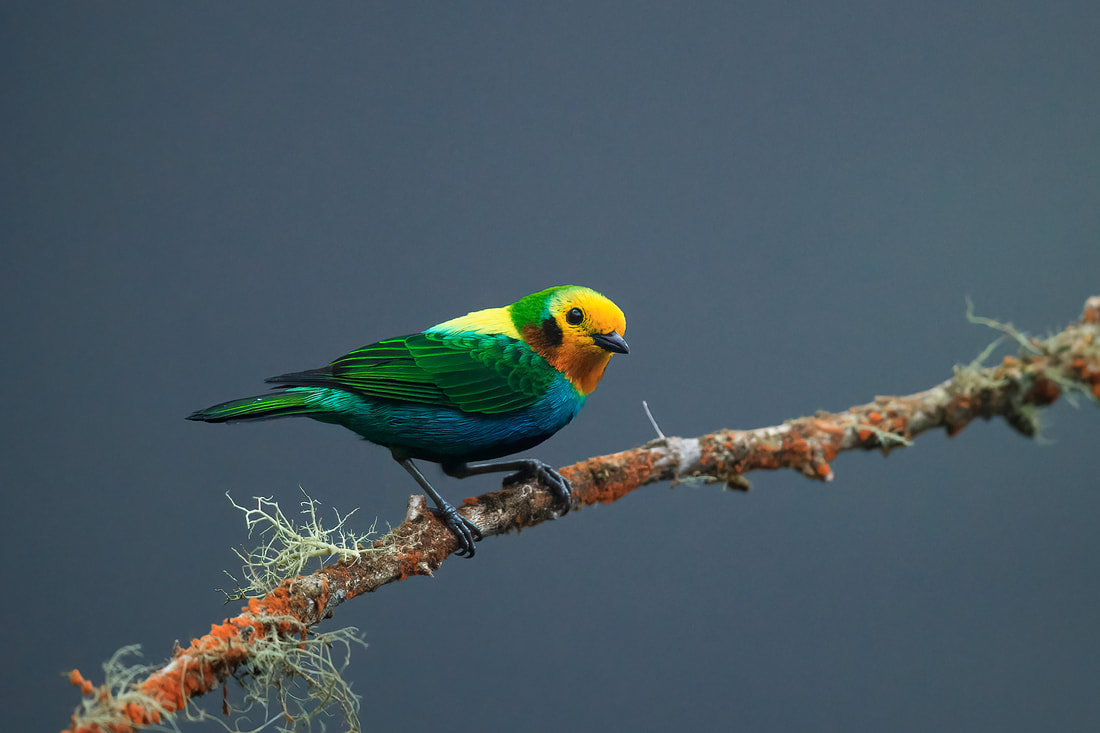 Multi-coloured tanager 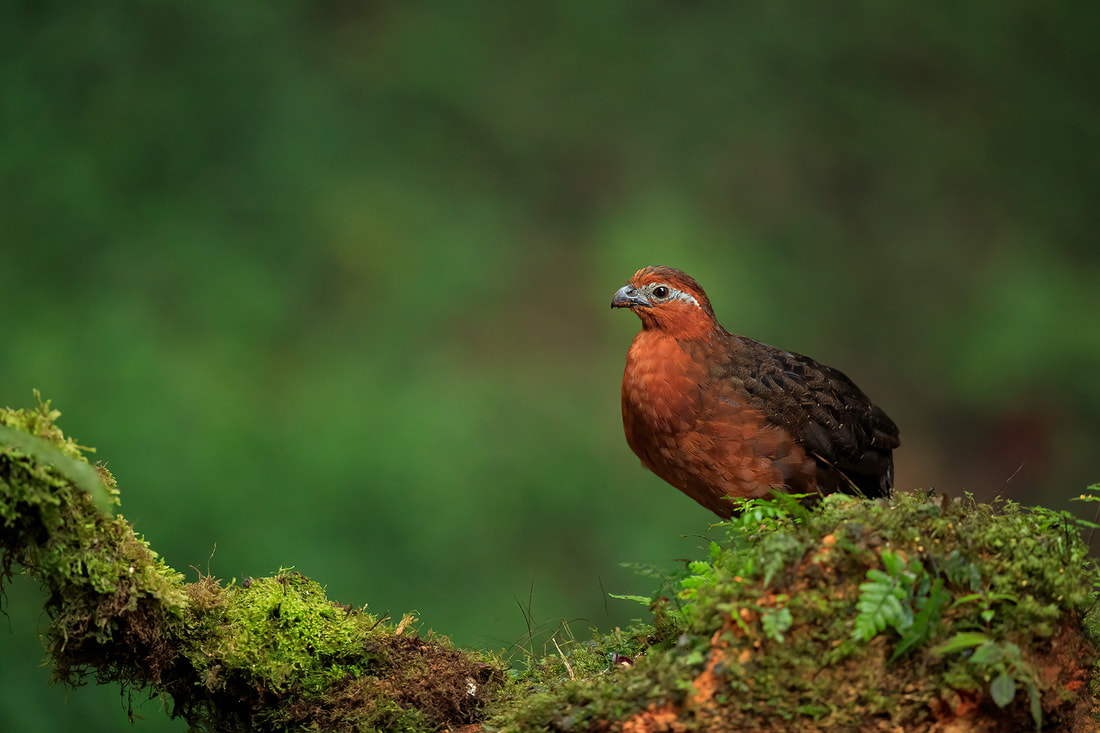 Chestnut wood-quail 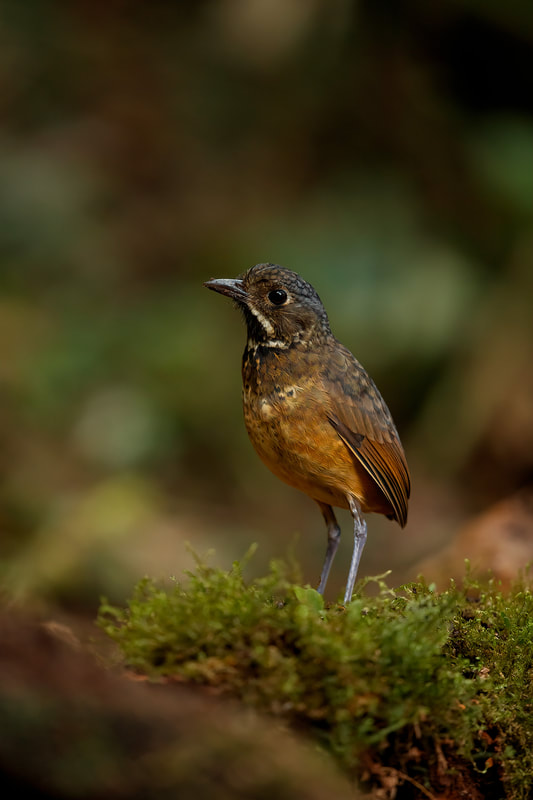 Scaled antpitta 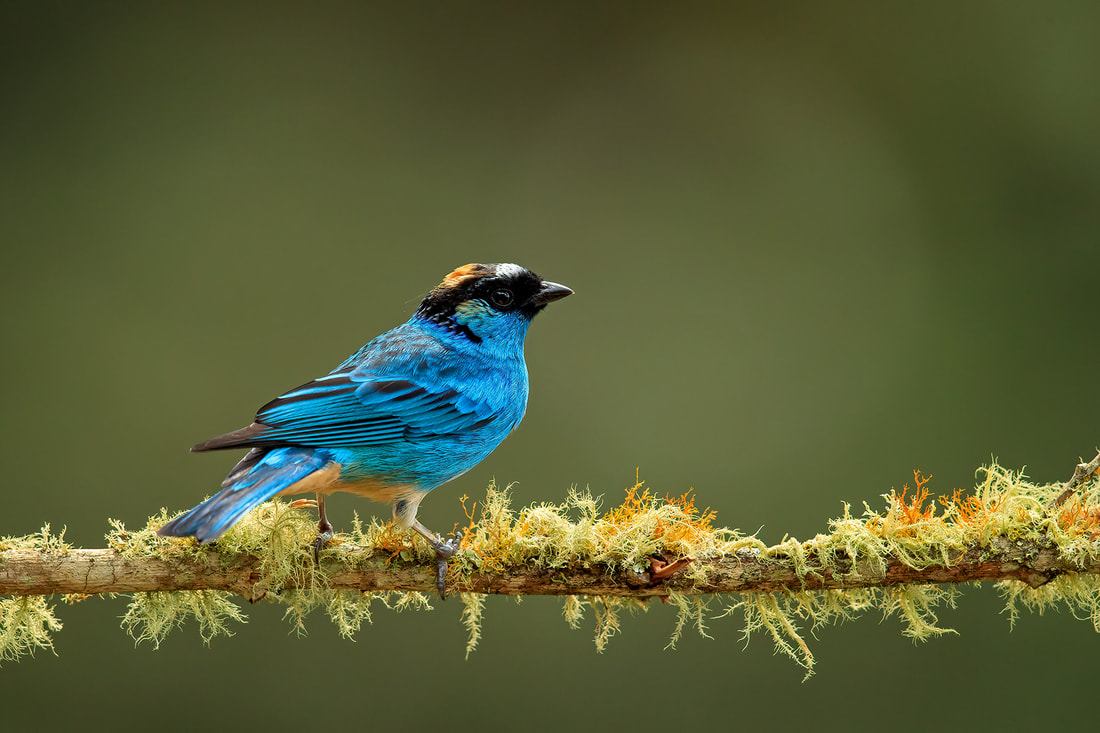 Golden-naped tanager For our third day of bird photography in the Western Andes we headed to a known spot for toucan barbet. Here we were treated to some more incredible photography and the whole group just lapped it up. 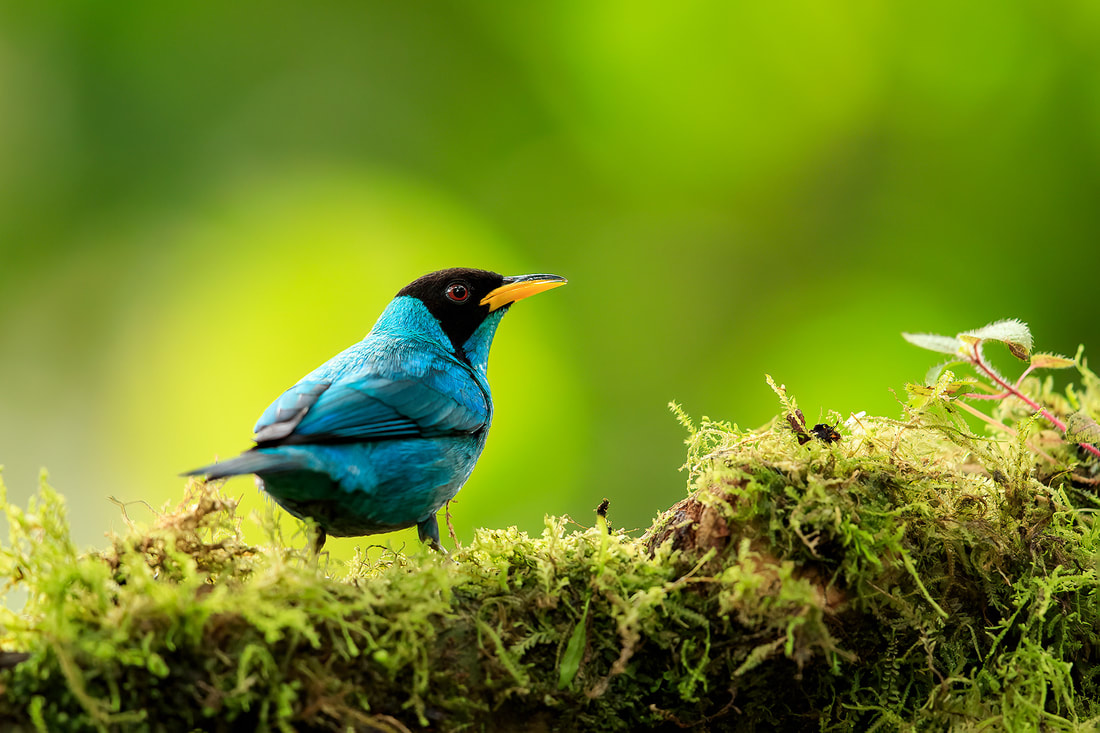 Green honeycreeper 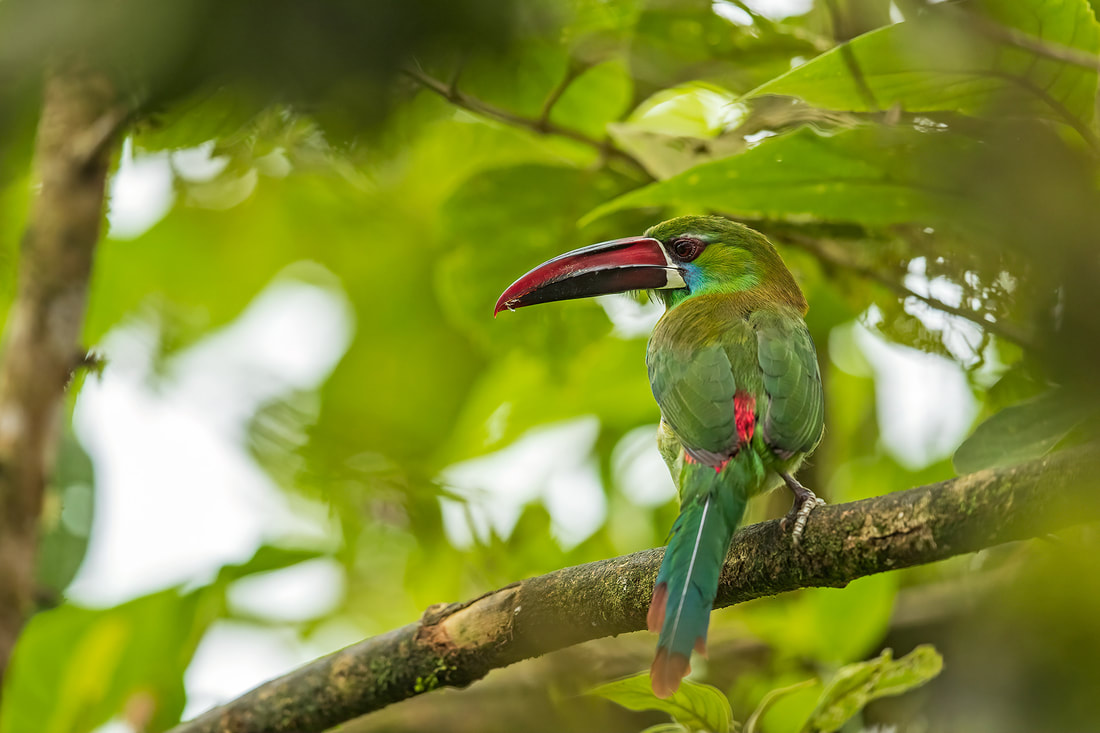 Crimson-rumped toucanet 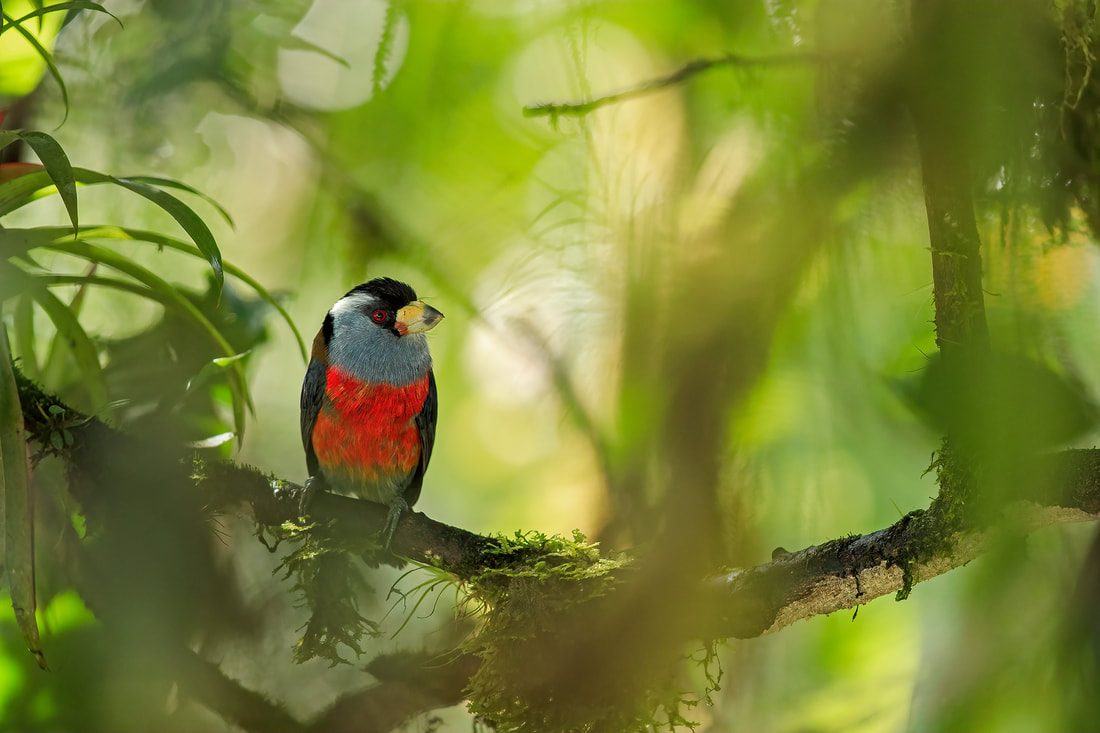 Toucan barbet 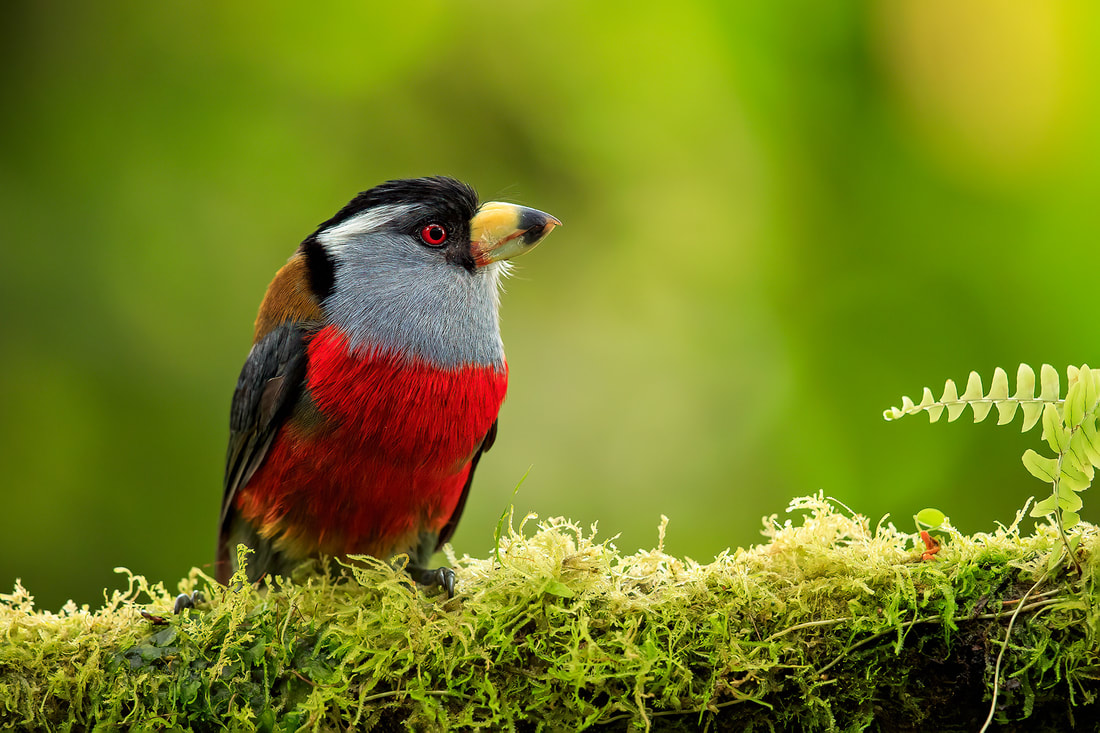 Toucan barbet These stunning birds were all photographed over a period of three days in Colombia's Western Andes. I was using my Canon 1DX II with my Canon 500mm f4 L IS II USM lens.
Keep your eyes peeled for the next instalment and be sure to find out more information about the tour on the Wildlife Worldwide website. N.B. I will not be leading the 2023 departure for this tour as I am away in Brazil, leading for Wildlife Worldwide. This year I had the privilege of leading three photography tours in Finland's remote eastern forests, right on the border with Russia for Wildlife Worldwide. Across the three trips we had some incredible sightings and exceptional photography, but as always, each had its own highlights. In this blog I am going to share some of my favourite moments from across the three tours. The magic of this remote landscape, is that you never really know what will show up and when. On one particular tour we had an awful lot of close encounters with a young grey wolf, another we had multiple wolverines and on the third we had the opportunity to photograph a great grey owl nest. Here is just a taster of what we saw ... 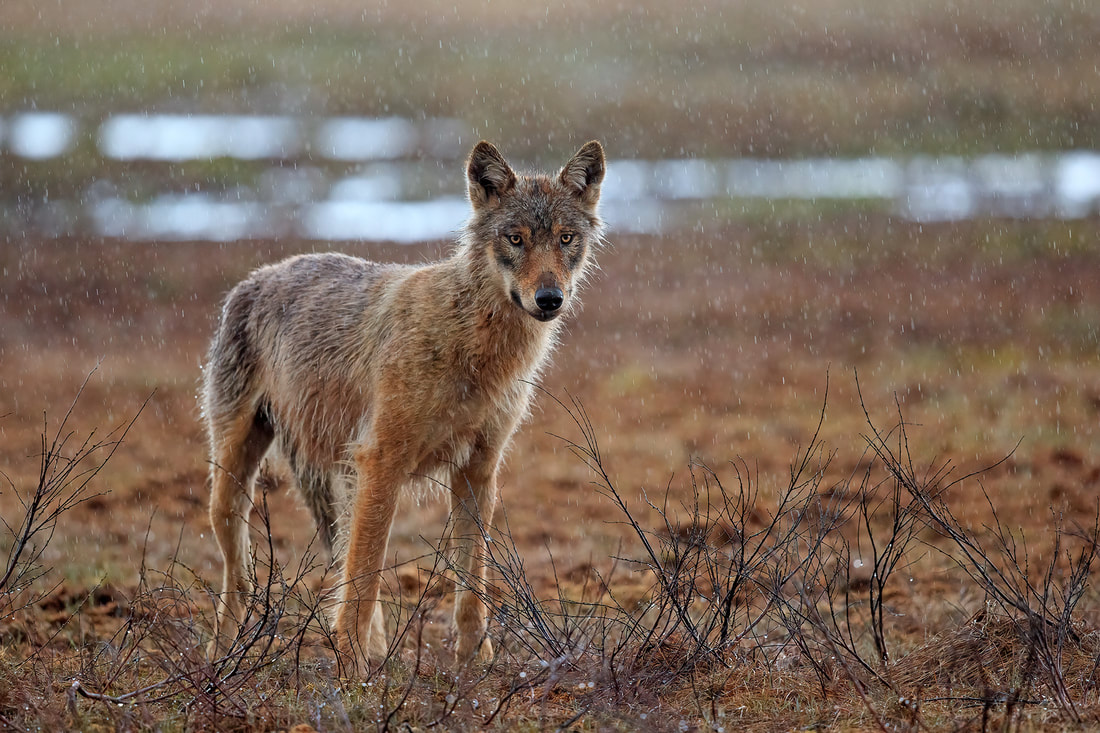 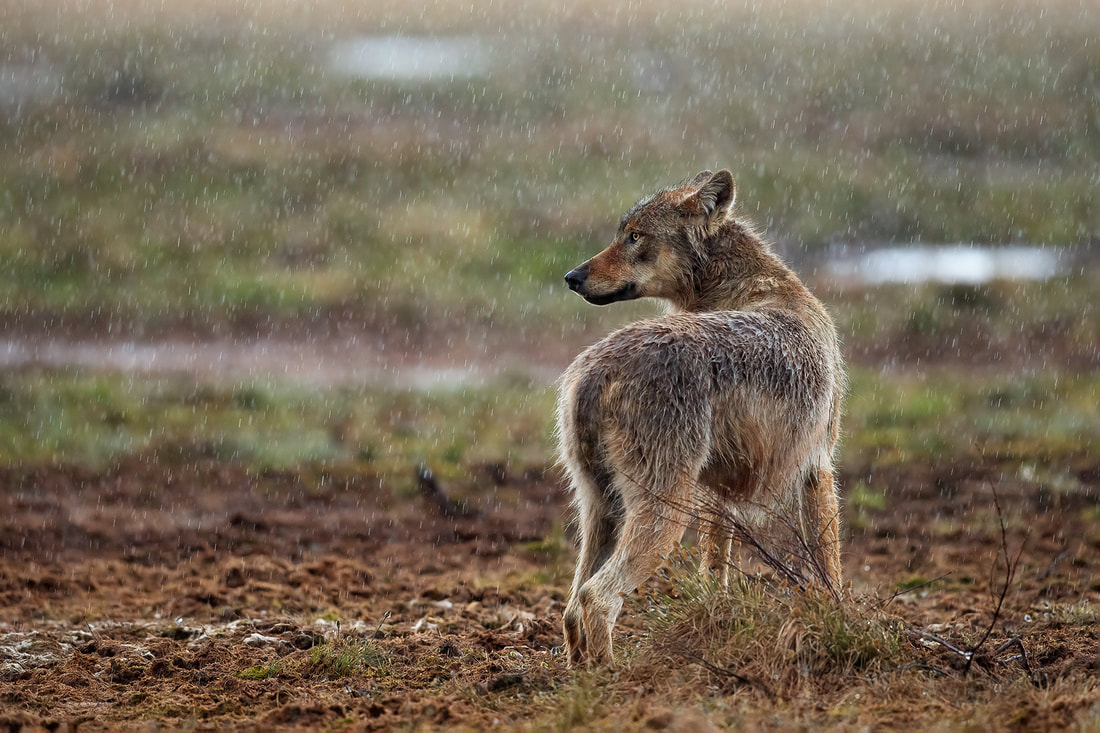 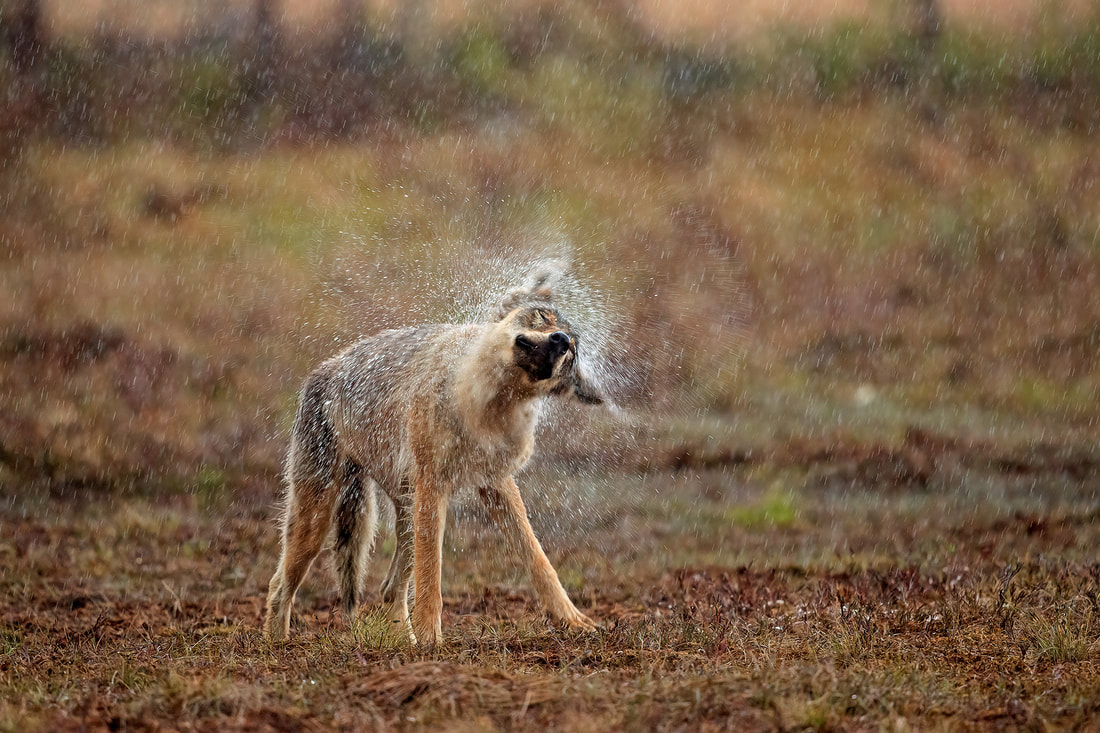 As you can see, no matter what the weather, there are always excellent opportunities to capture some stunning imagery. The grey wolf above hung around for a couple of hours one evening and the rain just added to the moment. 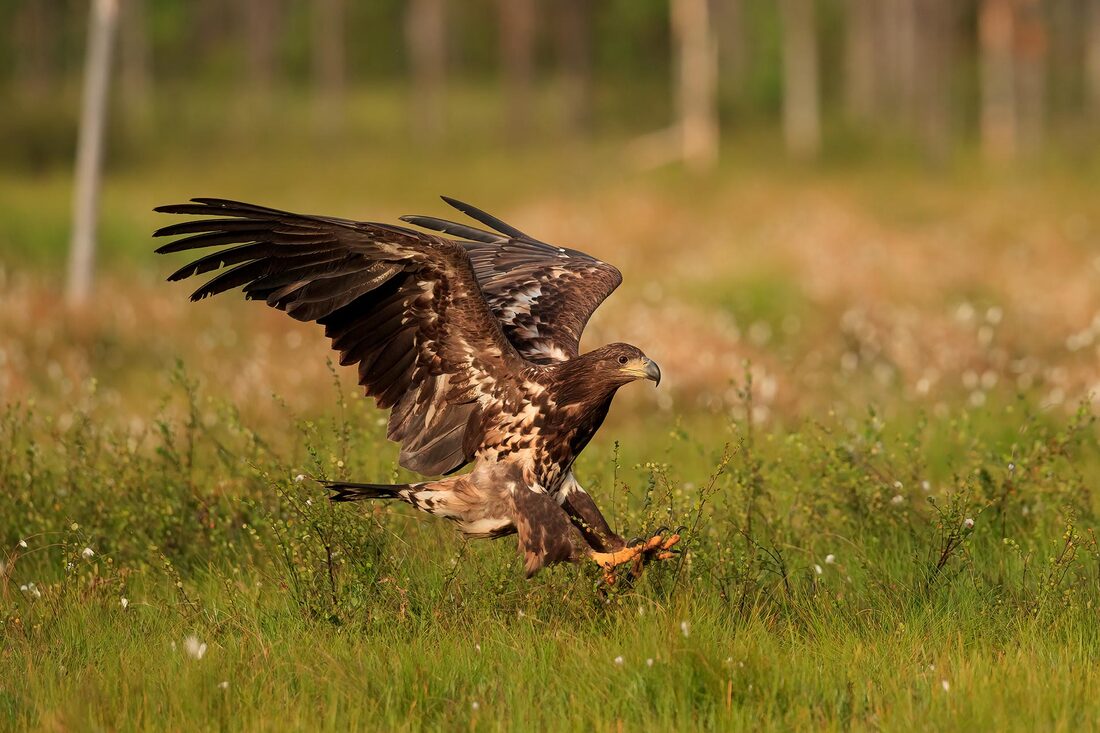 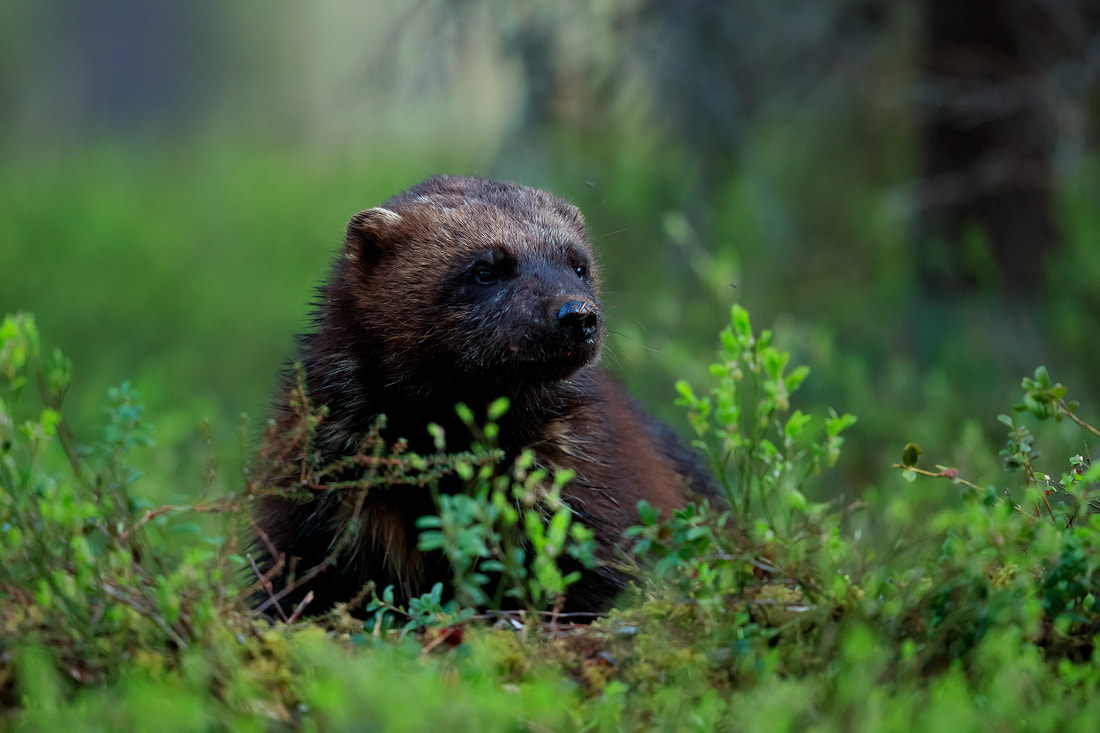 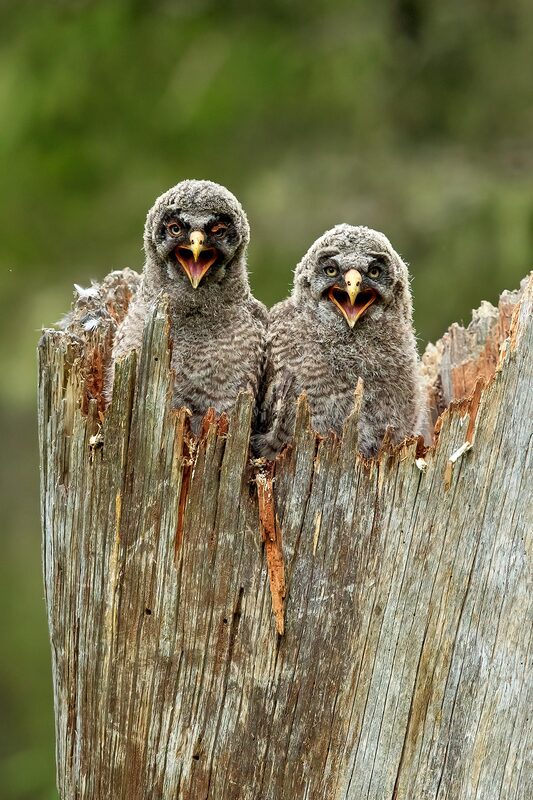 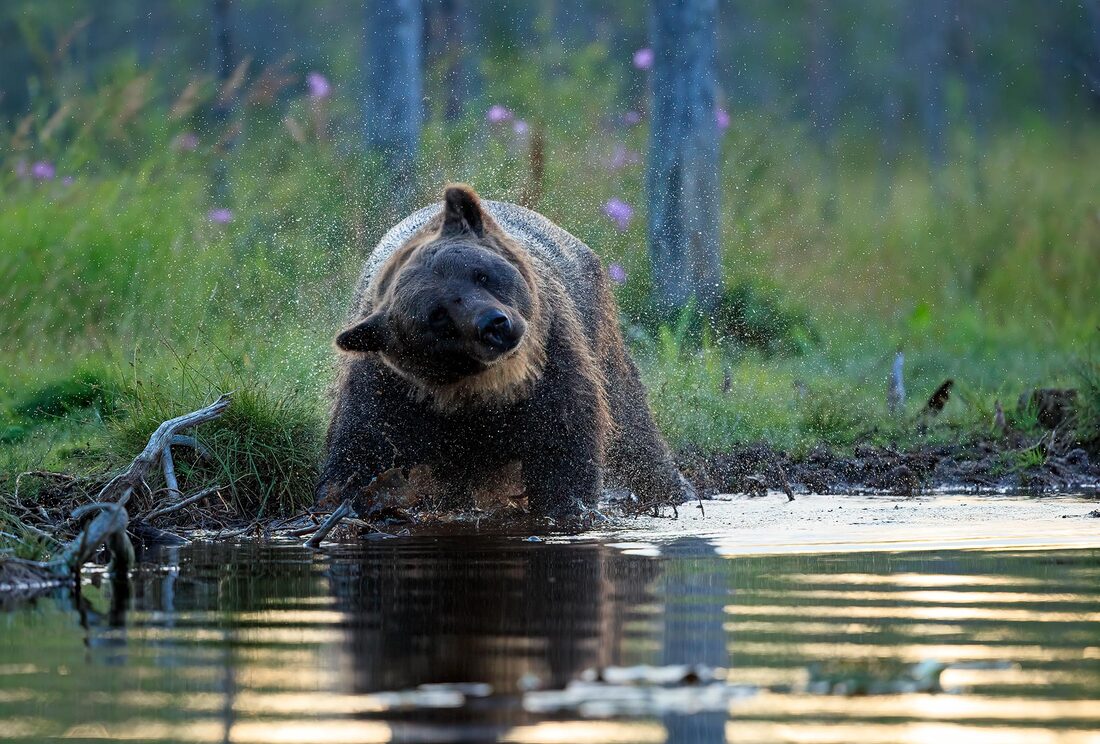 For me, the wolves are definitely the biggest draw. It is the only reliable location I know of where it is possible to capture stunning imagery of this elusive species. However, the area is fantastic for wolverines and brown bears, meaning there is never a dull moment. It is even more exciting when the different species show up at the same time. It is important to say (as I always do), that food is put out to entice the predators in front of the purpose-built hides. Furthermore, the food put out is typically salmon scraps or meat that is not fit for human consumption. 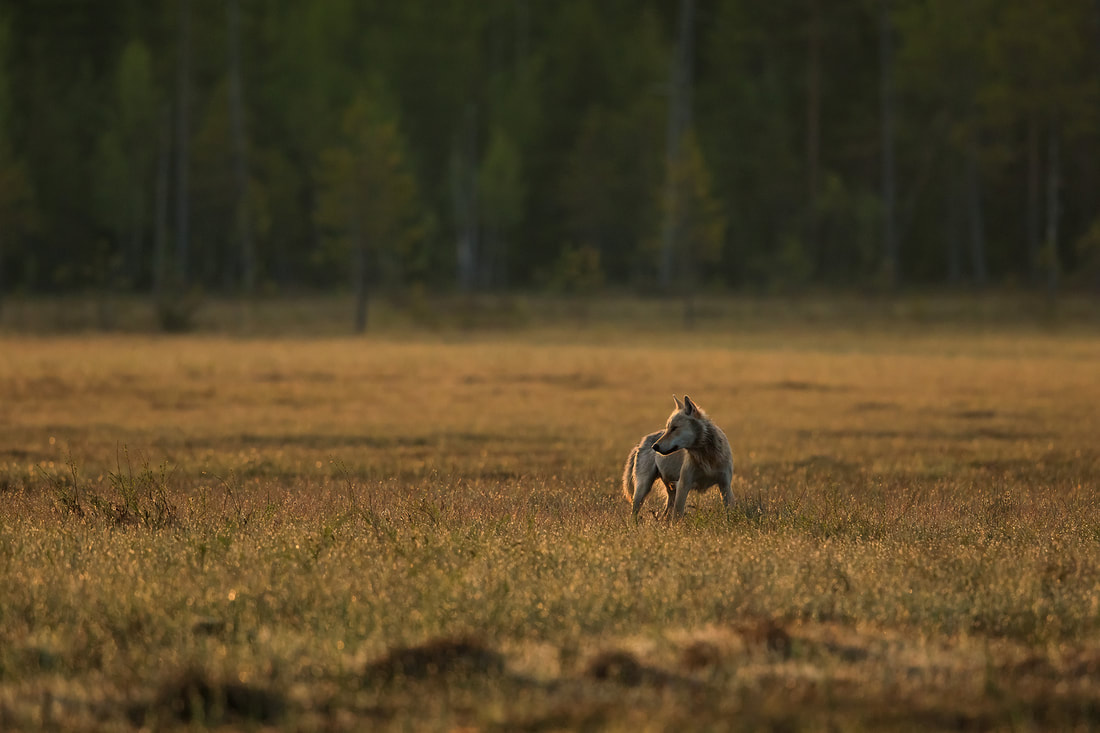 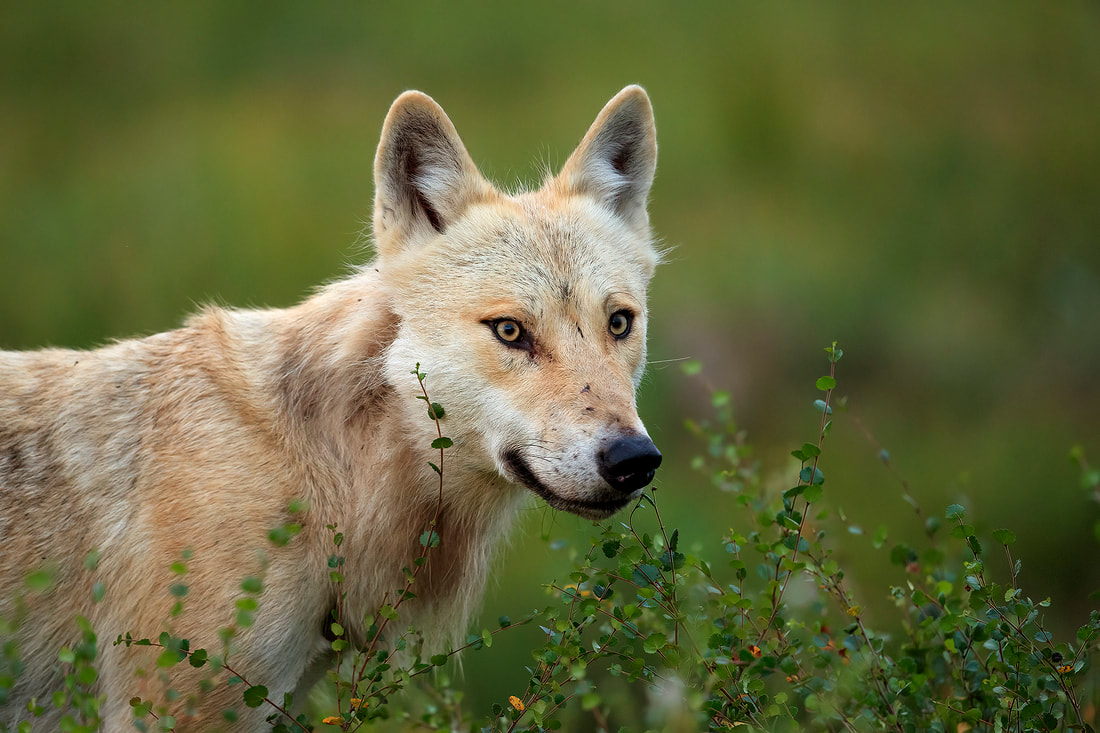 There is the chance to join me in 2023 and photograph these incredible predators for yourself. You can find out more on the Wildlife Worldwide website and book your place on this wildlife photography extravaganza.
Back in March I led the inaugural tours for Wildlife Worldwide to Hornstrandir Nature reserve in the remote north-west of Iceland. Staying at the delightful Kviar Lodge, our sole focus here was the blue morph Arctic fox on our Arctic Fox Photography tour. Coming face-to-face with an Arctic fox has long been on my wishlist, particularly after seeing them in the wilds of Svalbard many years ago. The lodge is situated on an uninhabited peninsular, over 40 km from the nearest settlement and only accessible by boat. Our voyage from Ísafjörður was not the smoothest, but on arrival a fox was running along the high snow bank above to greet us. It doesn’t really get any better for a wildlife photographer. I led back-to-back trips in this spectacular landscape and enjoyed some of the very best photography opportunities I have enjoyed for many years. My clients were spoiled with all sorts of weather conditions and countless moments to capture some breathtaking imagery. Here is just a taster of what we enjoyed … 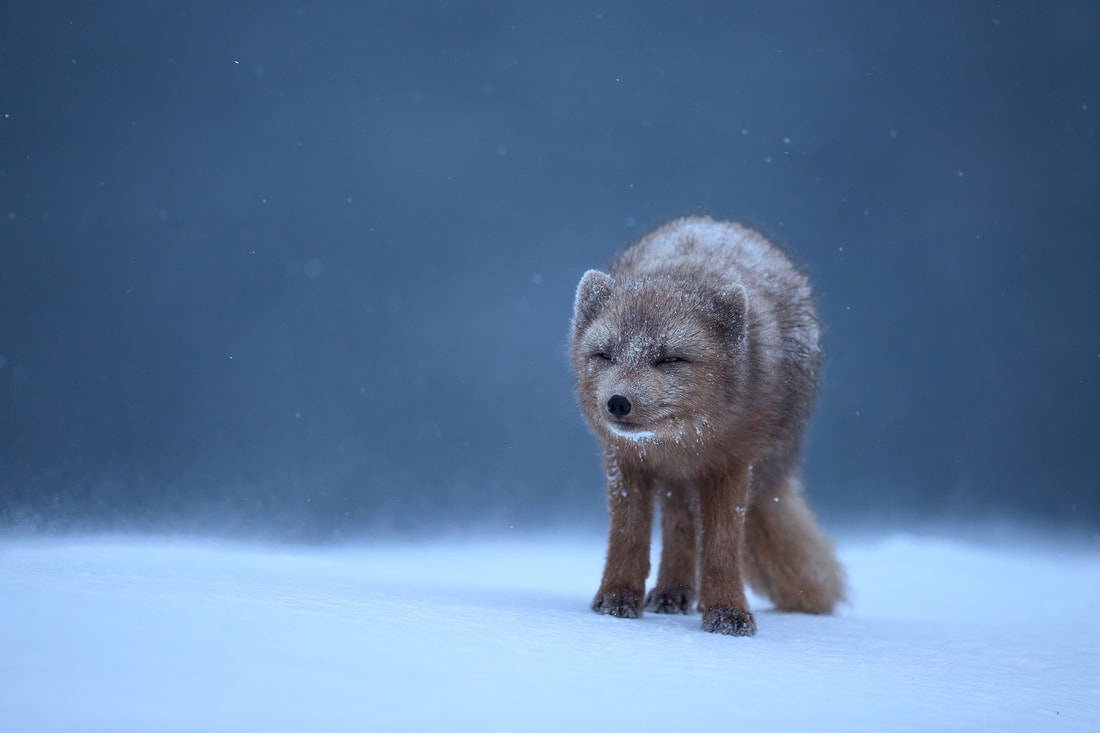 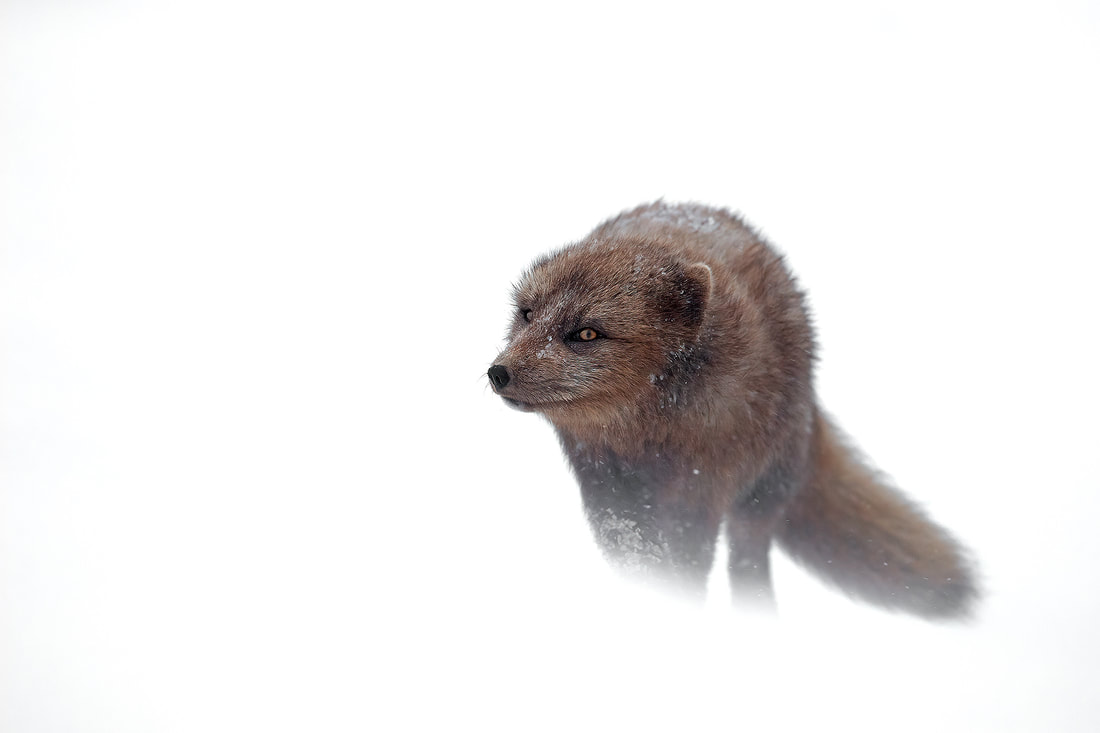 As you can see, the first day was pretty wild with incredibly strong winds and a few snow storms. Although the photography was challenging, it was also particularly rewarding. 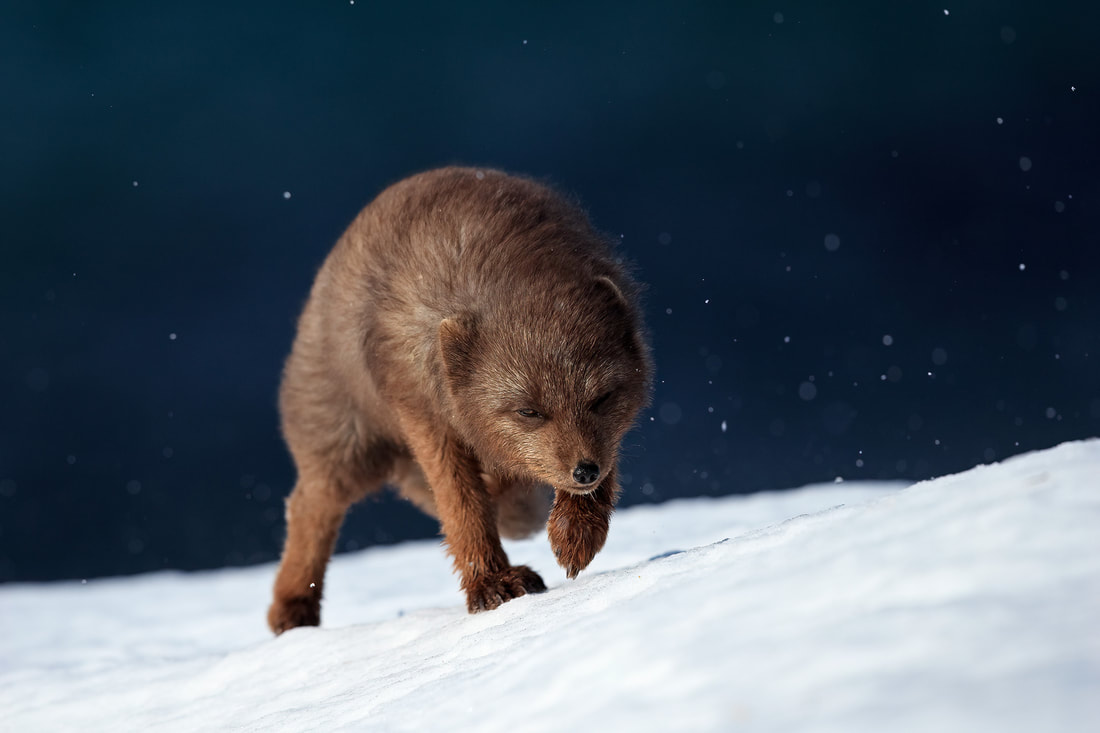 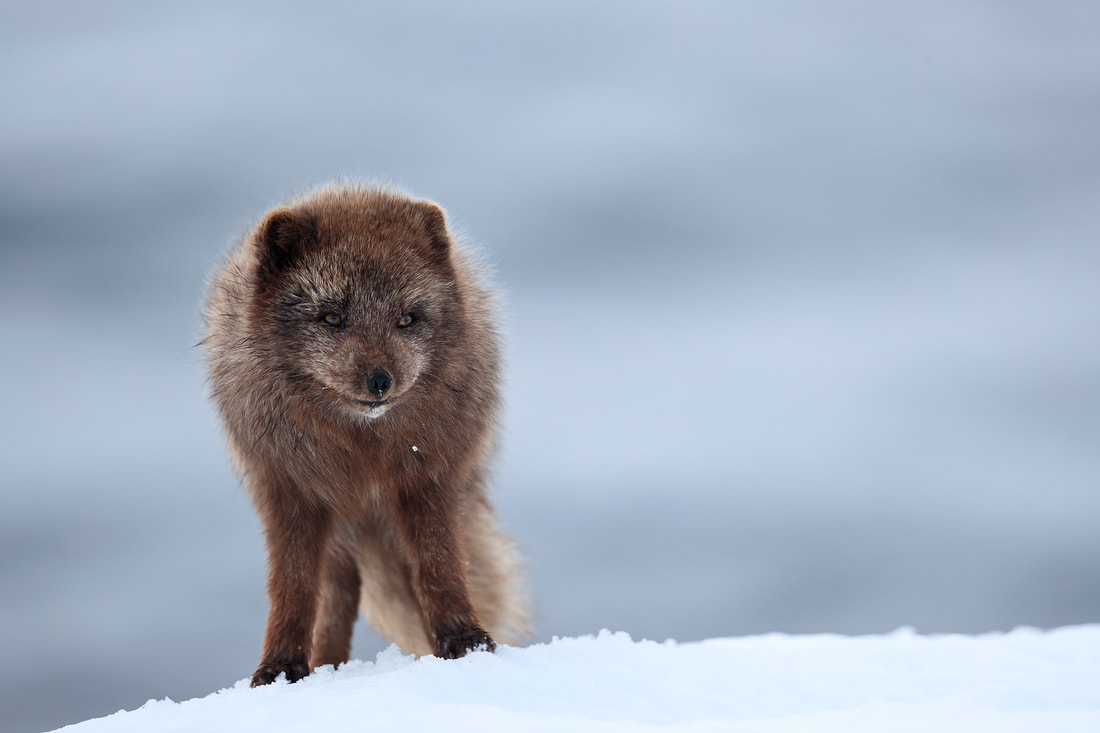 The weather was very changeable, as you would expect in Iceland during March, but that enabled us to photograph the different foxes in a host of different conditions. The photography was exceptional. I was able to use my phone to capture some wonderful images, that's how obliging they were ... 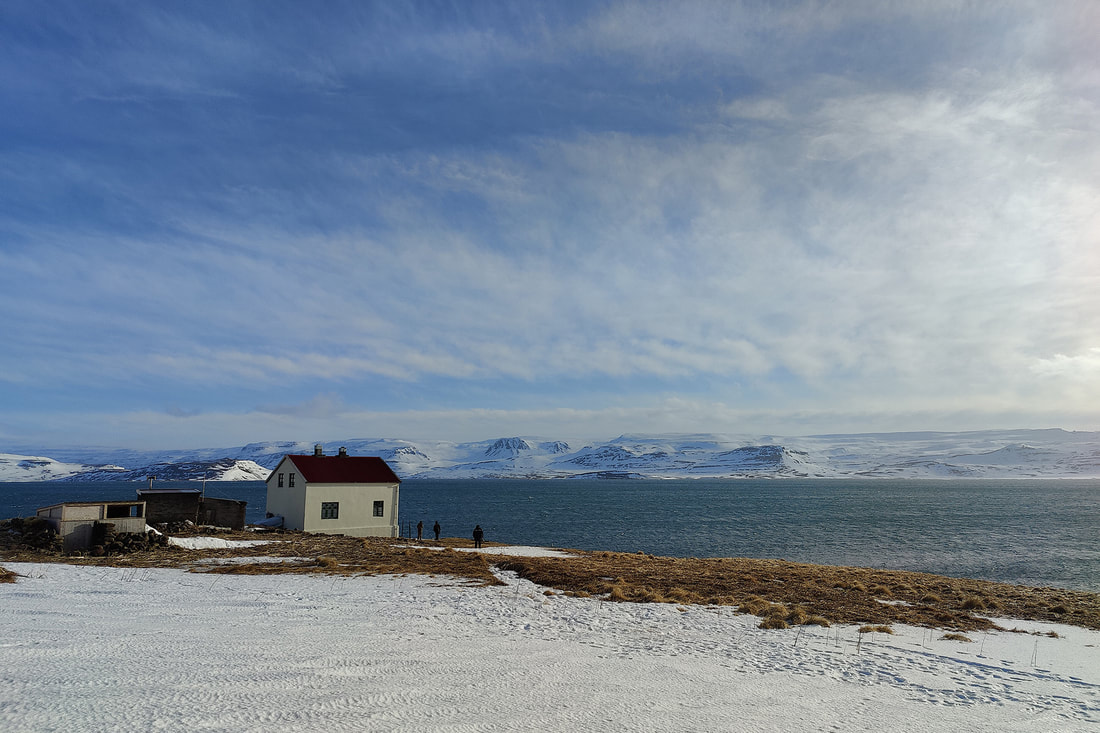 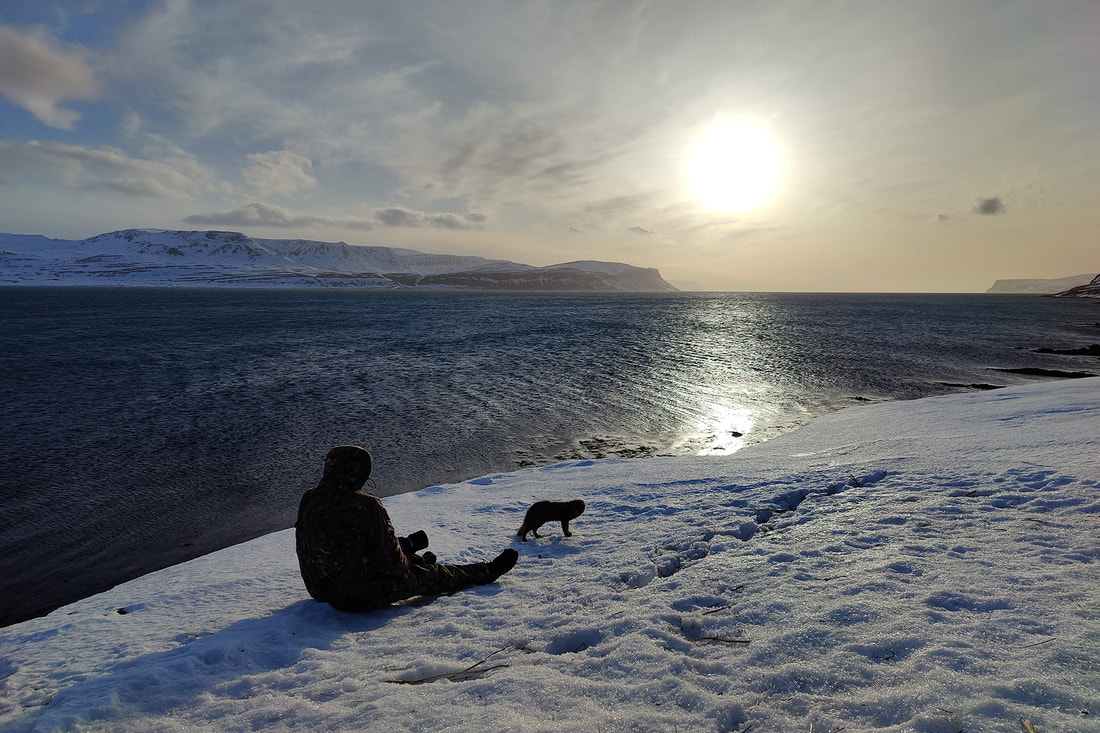 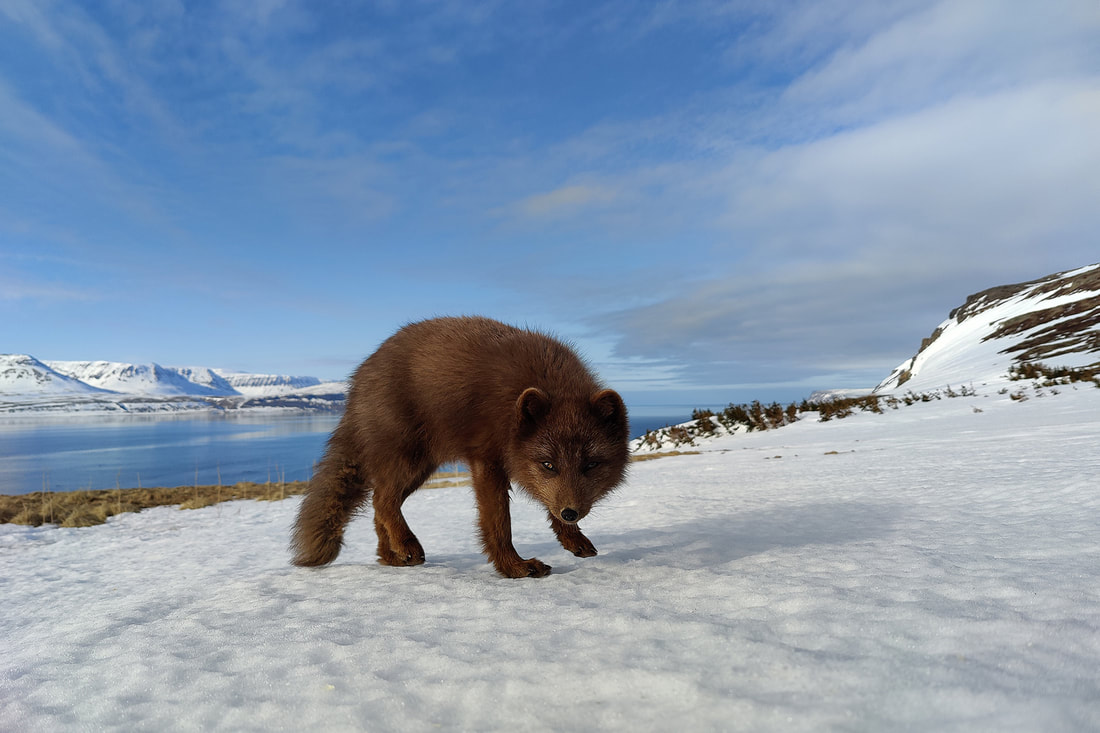 We were also treated to a marvellous display of Aurora borealis and all my first group were able to capture some stunning imagery. 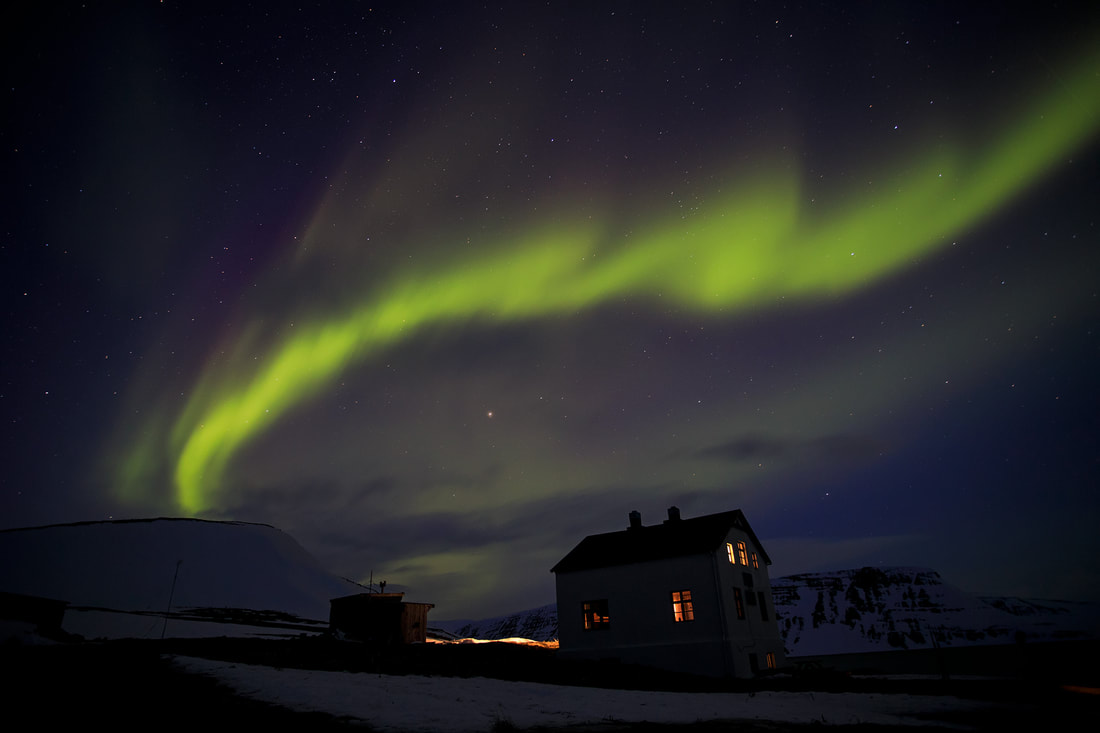 But of course the primary focus was the Arctic foxes. Here is a selection of images from the second of the two departures - we really were incredibly lucky with the weather and the cooperative wildlife. 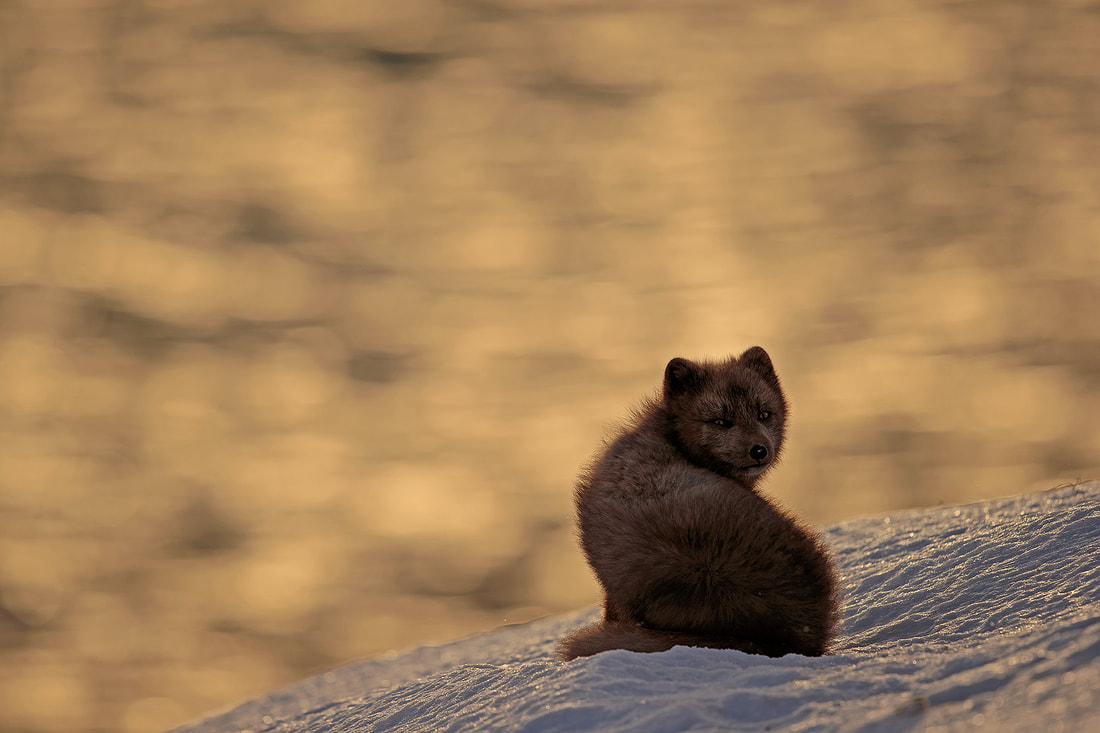 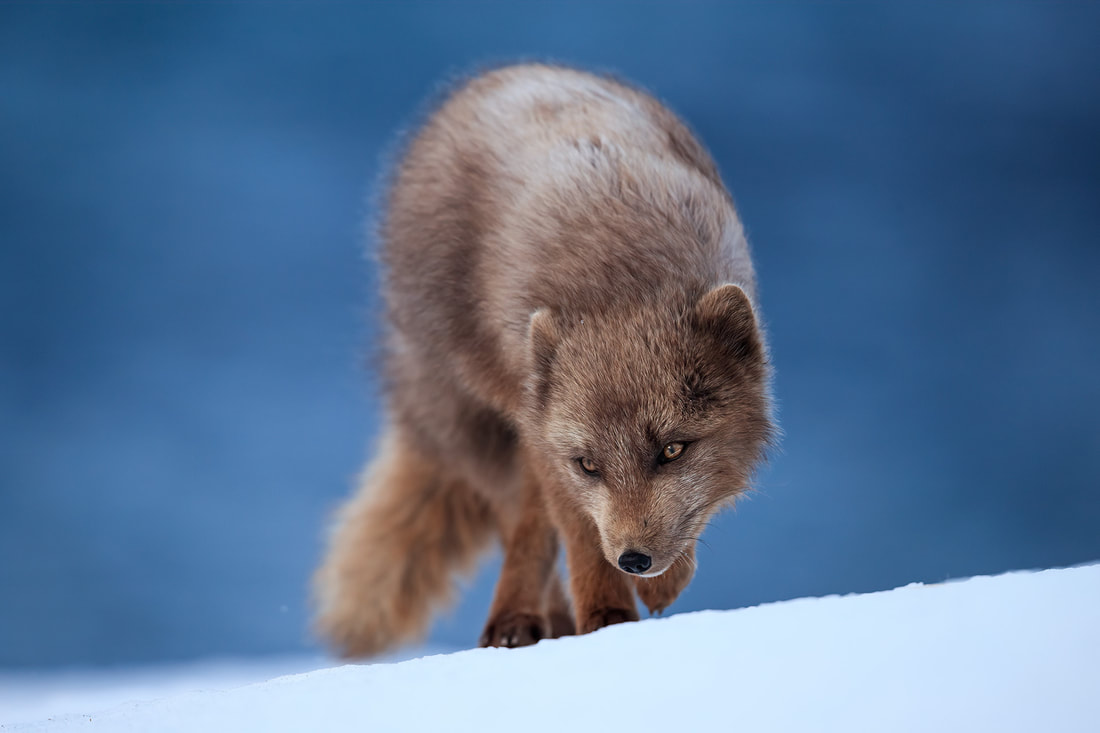 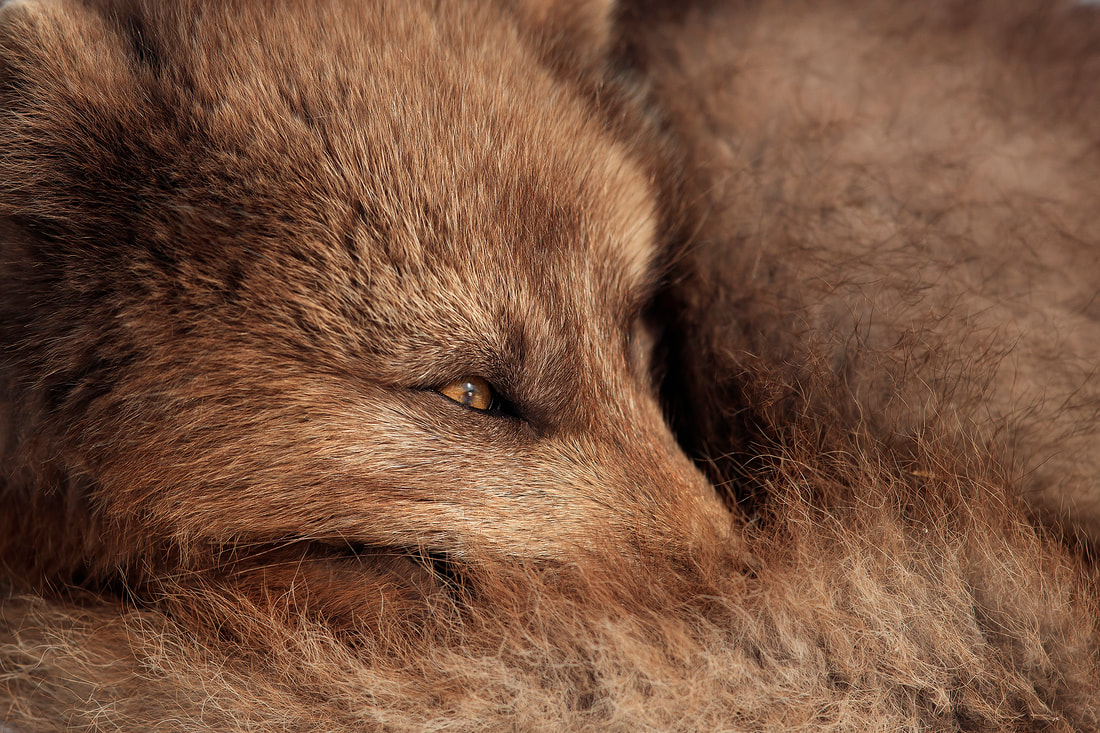 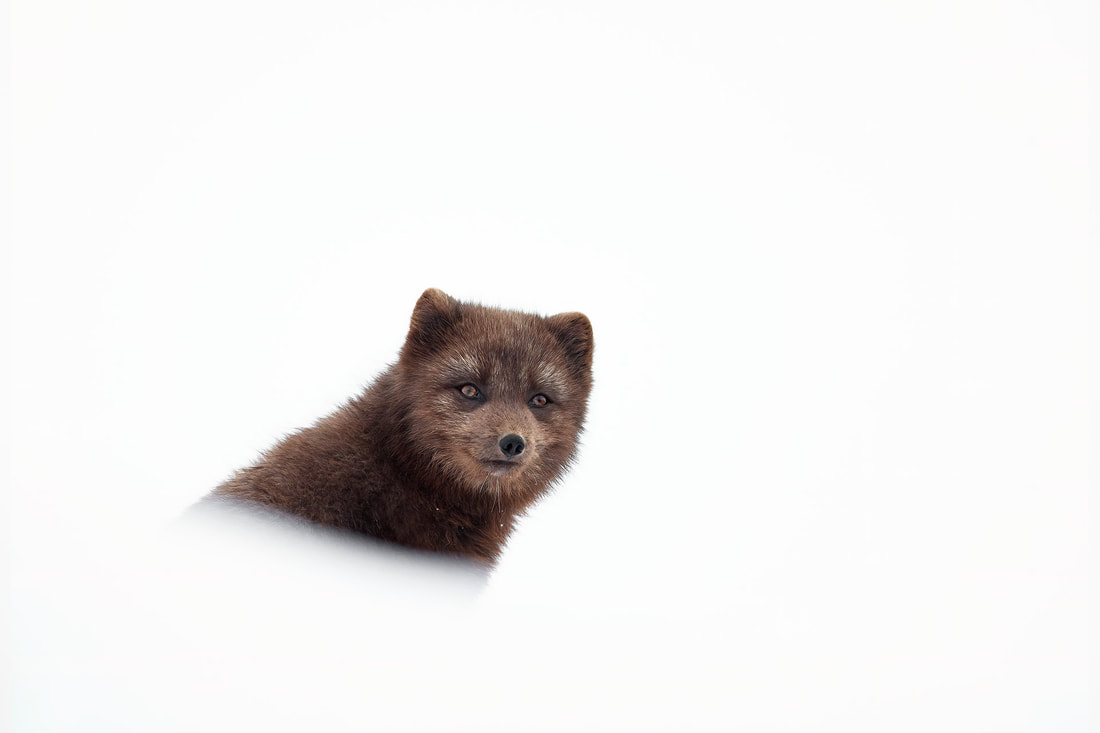 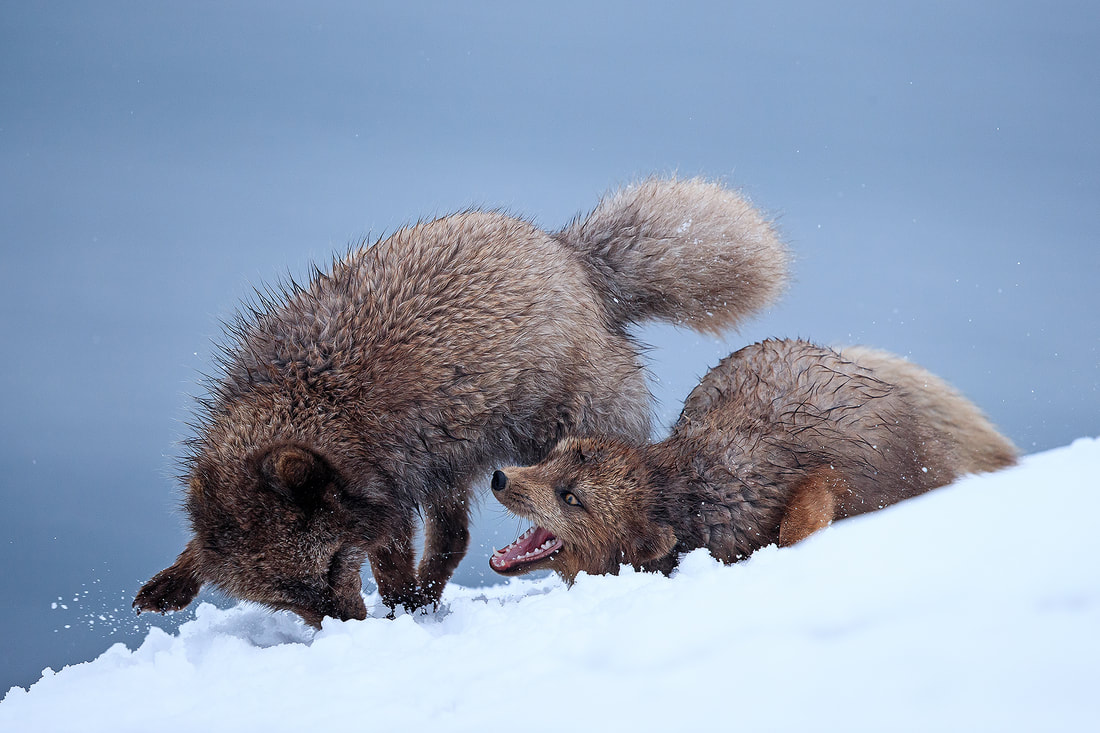 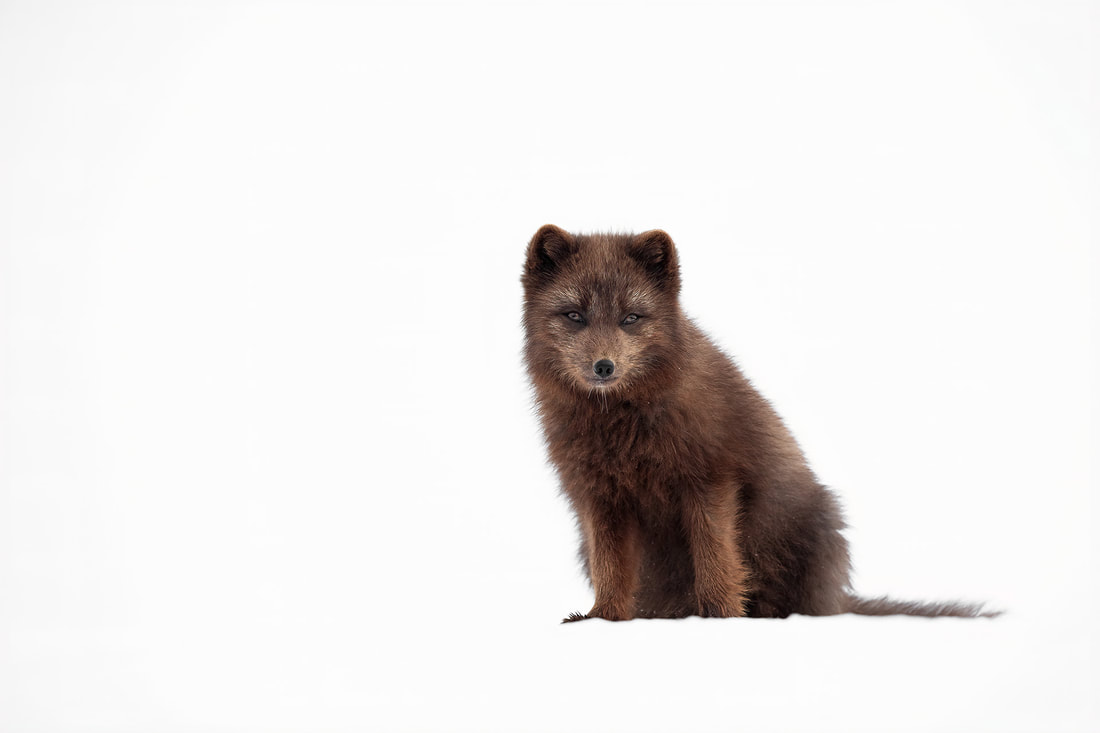 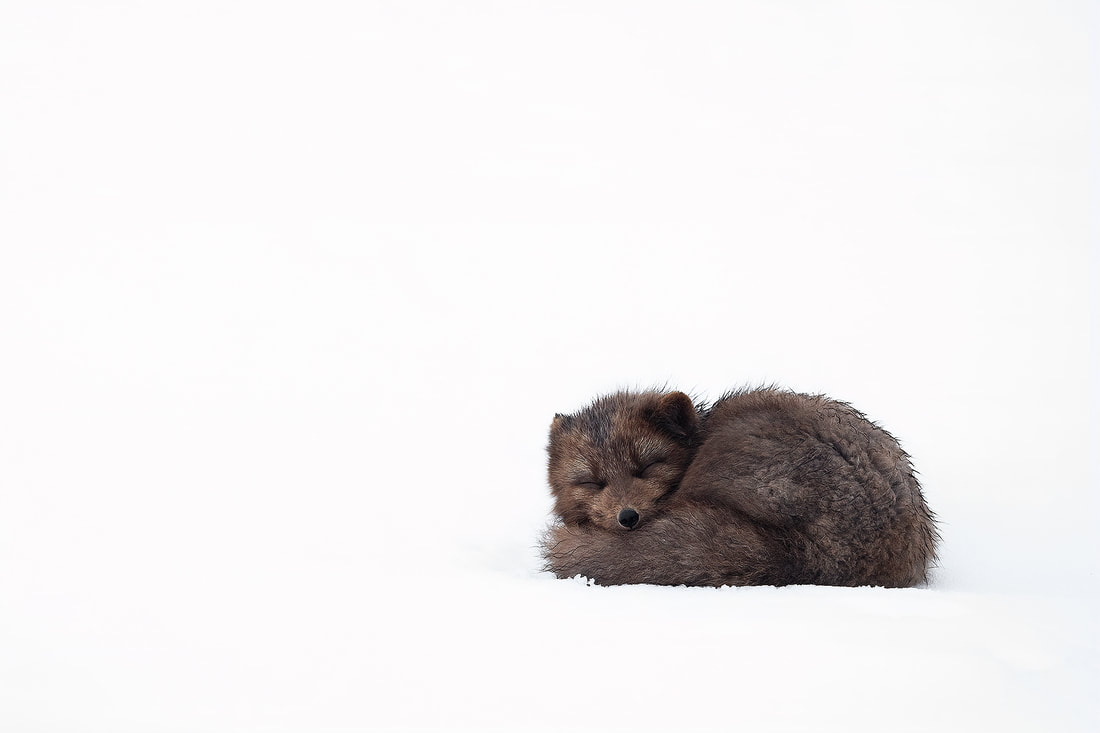 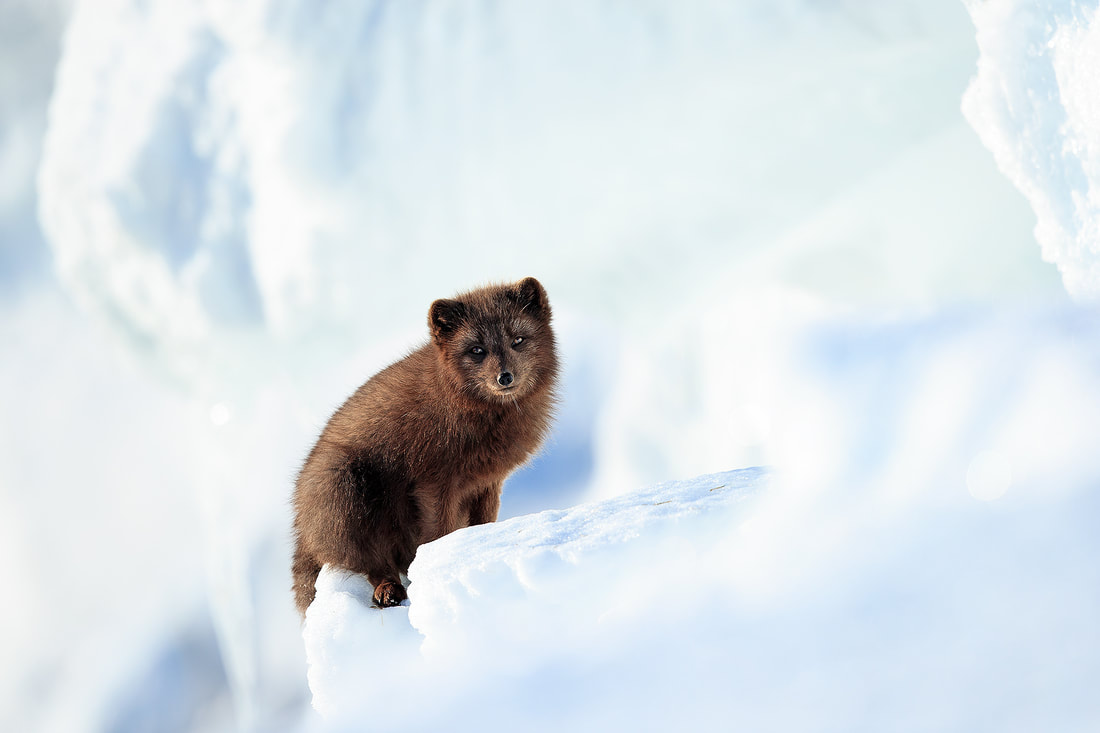 I hope the photos above have whetted your appetite - if you would like to join me in Iceland to photograph these charming foxes, there is still space remaining in March 2023. You can register your interest here.
Sorry I have been quiet again for the first quarter of the year. It has been a crazy few months and I am only just getting the time to sit back and think about the past 5-6 months. Back in November I was in a state of shock as I was actually able to enjoy leading my first African photo safari in nearly 2 years. Wildlife Worldwide were finally able to run our unique South Luangwa Photo Safari and it was a pleasure to be at the helm for two separate trips. Our first trip was based at one of my regular haunts – Flatdogs Camp – where I had the pleasure of my good friend and guide Bwalya looking after us. We had an exceptional week with Bwalya, although the leopard didn’t quite play ball, and were treated to some excellent encounters with the African wild dogs and countless lions. The second week was based at the delightful Mfuwe Lodge and we had some exquisite sightings of leopard and the wild dogs once more. The rains had started to fall intermittently, but it really didn’t disturb our game drives and huge thanks must go to our excellent guides . One of the great things about South Luangwa is that you never really know what to expect and from one week to the next, you will likely see something completely different. Here is just a taster of what we saw … 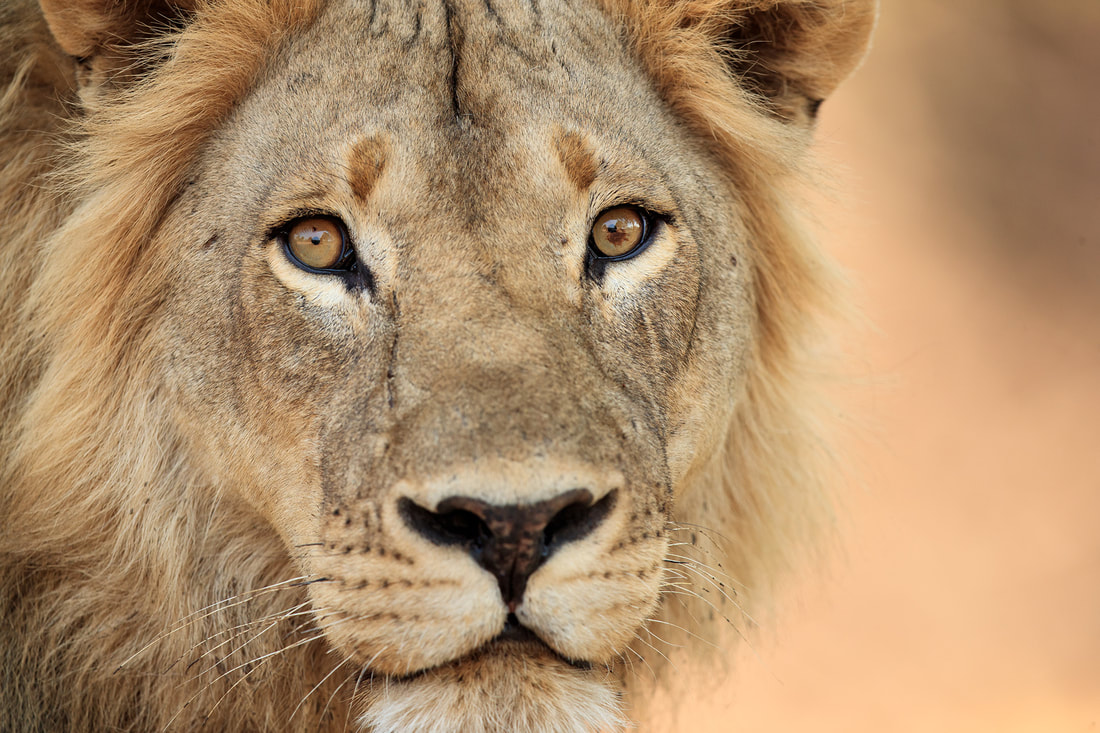 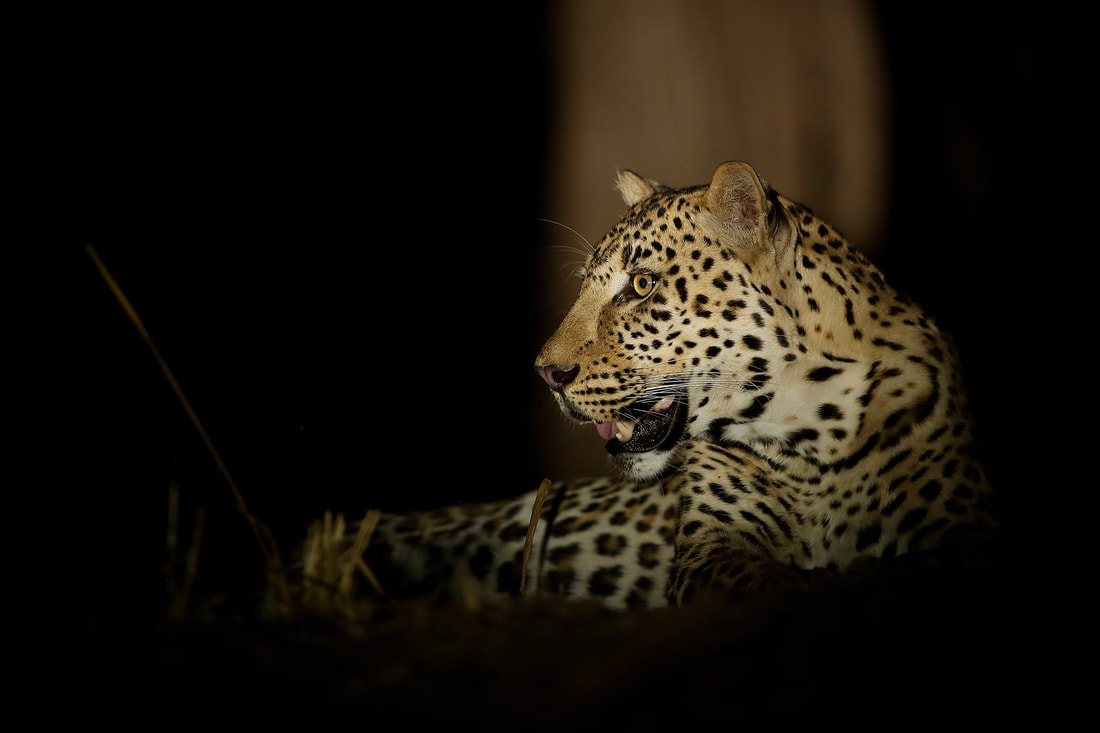 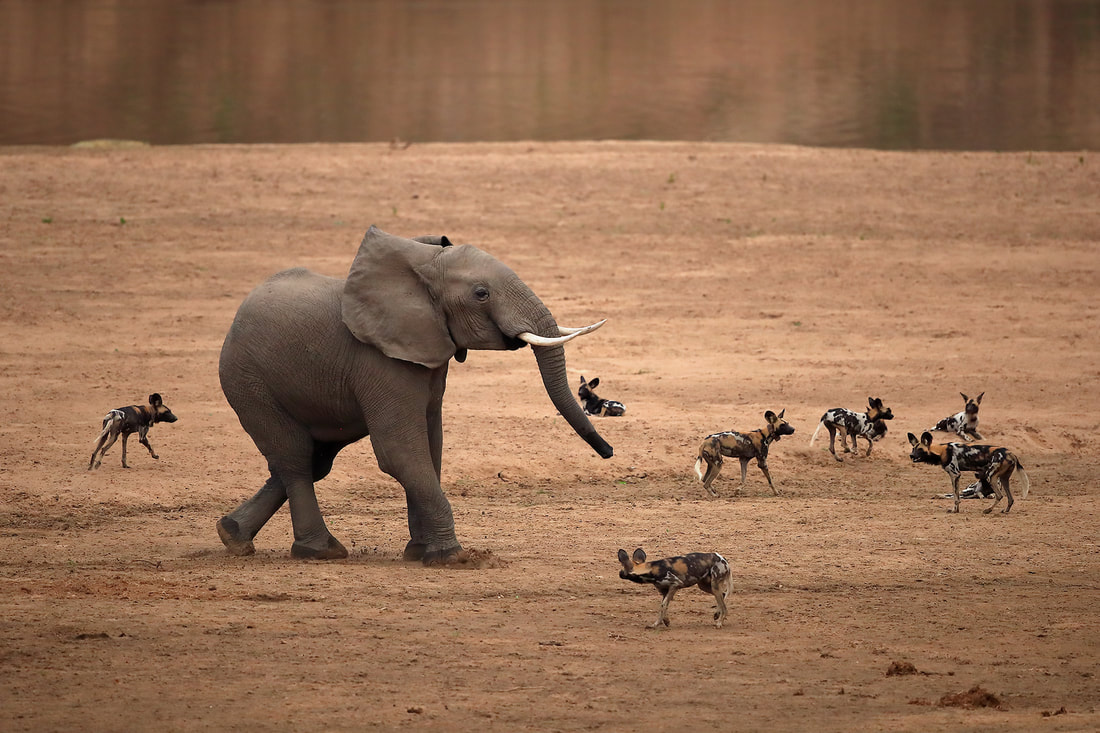 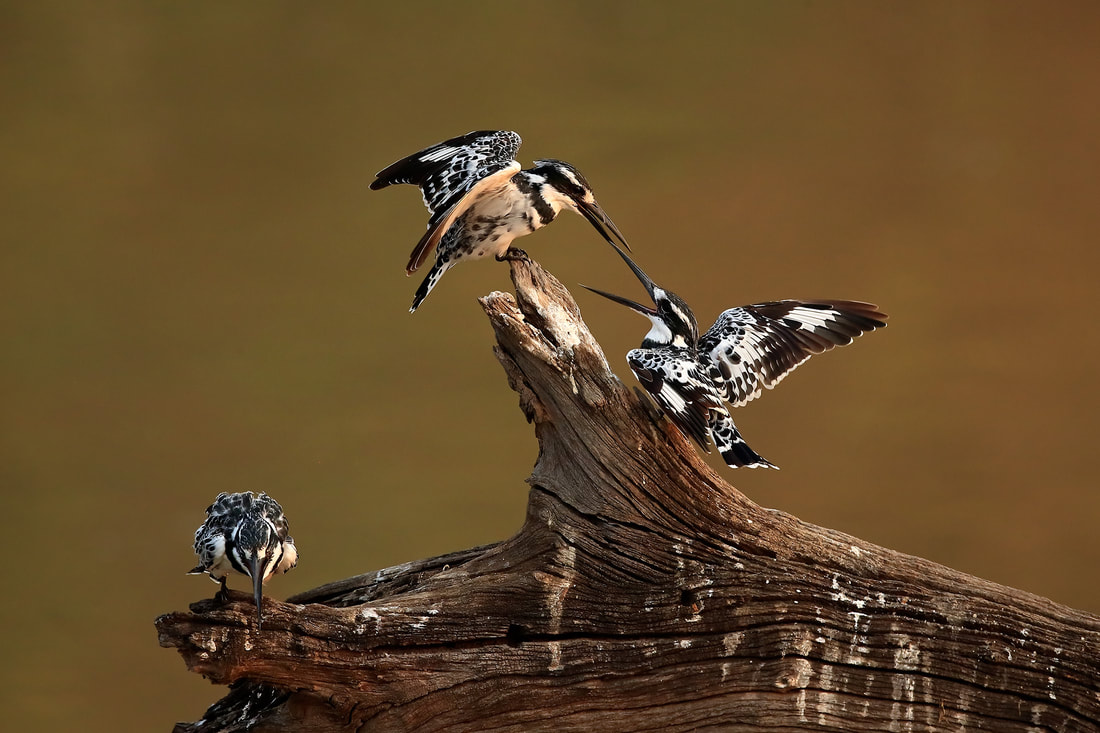 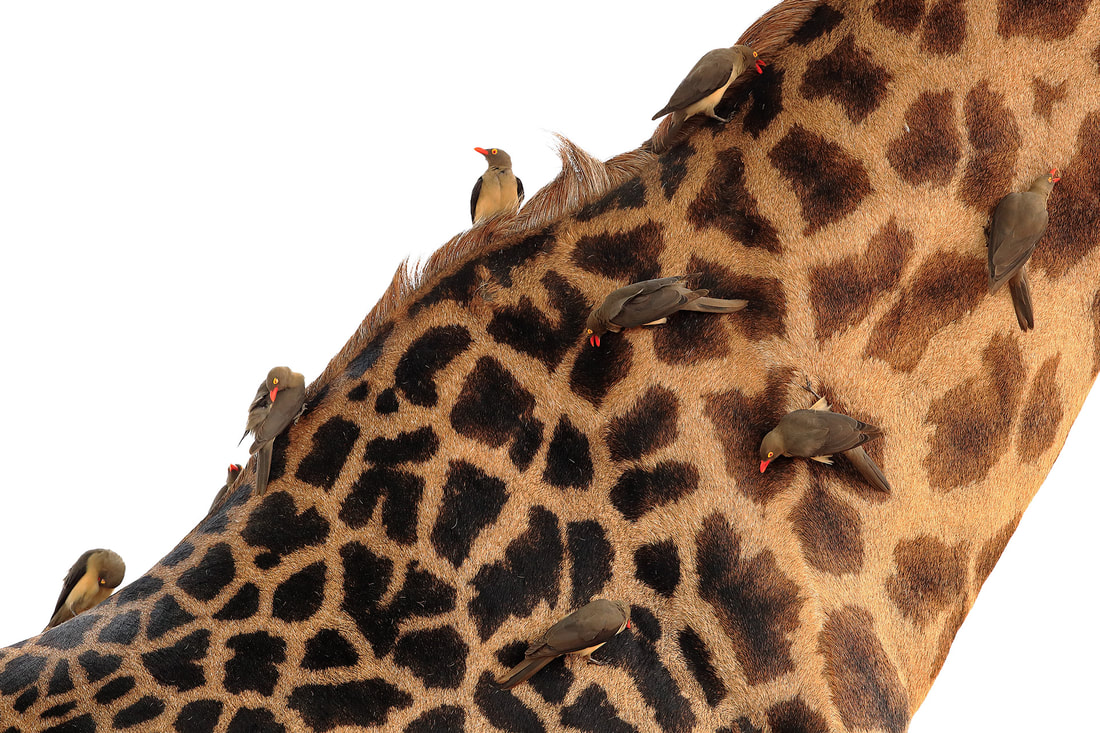 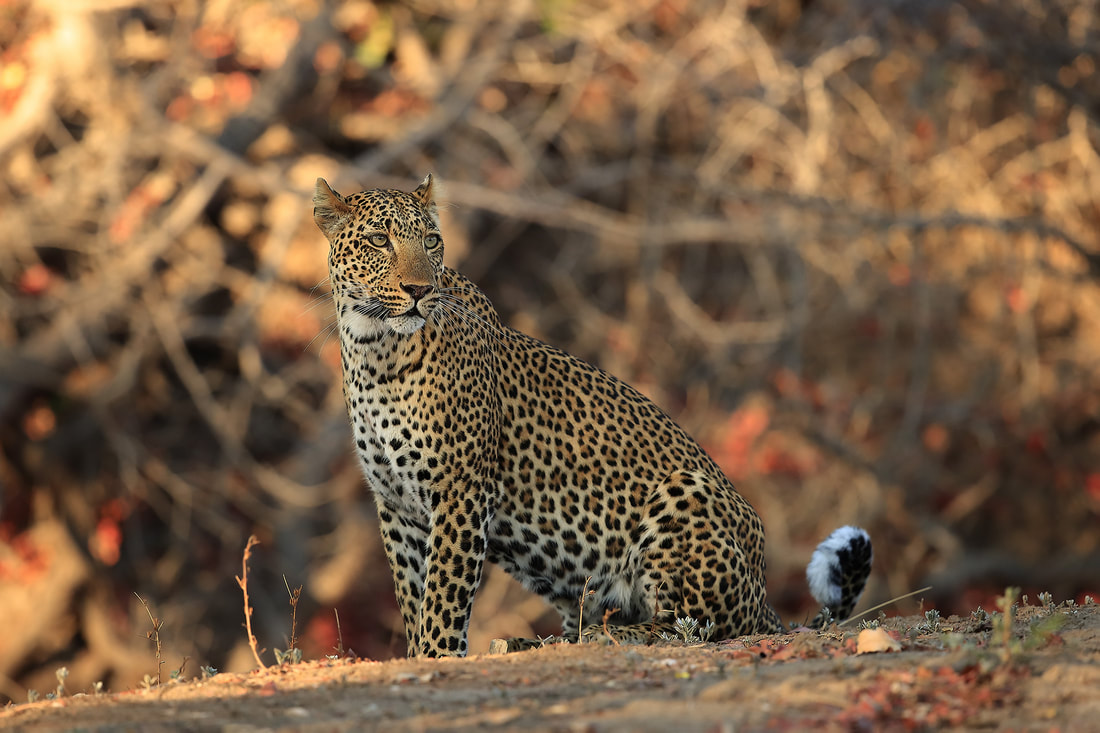 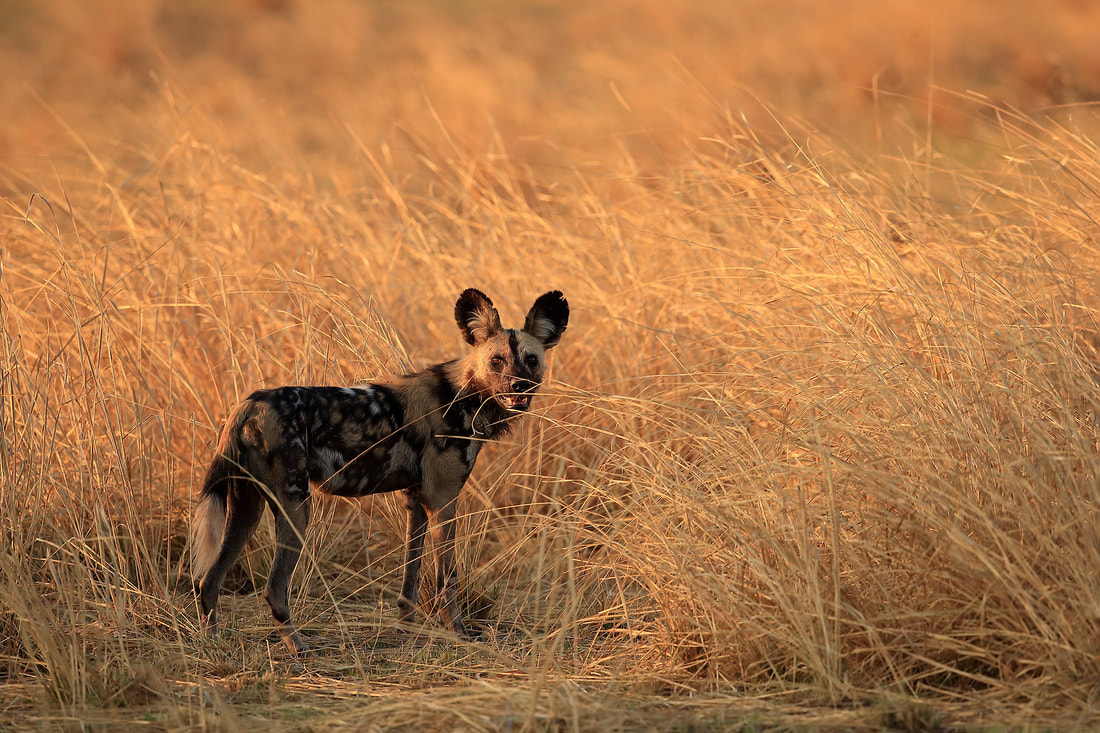 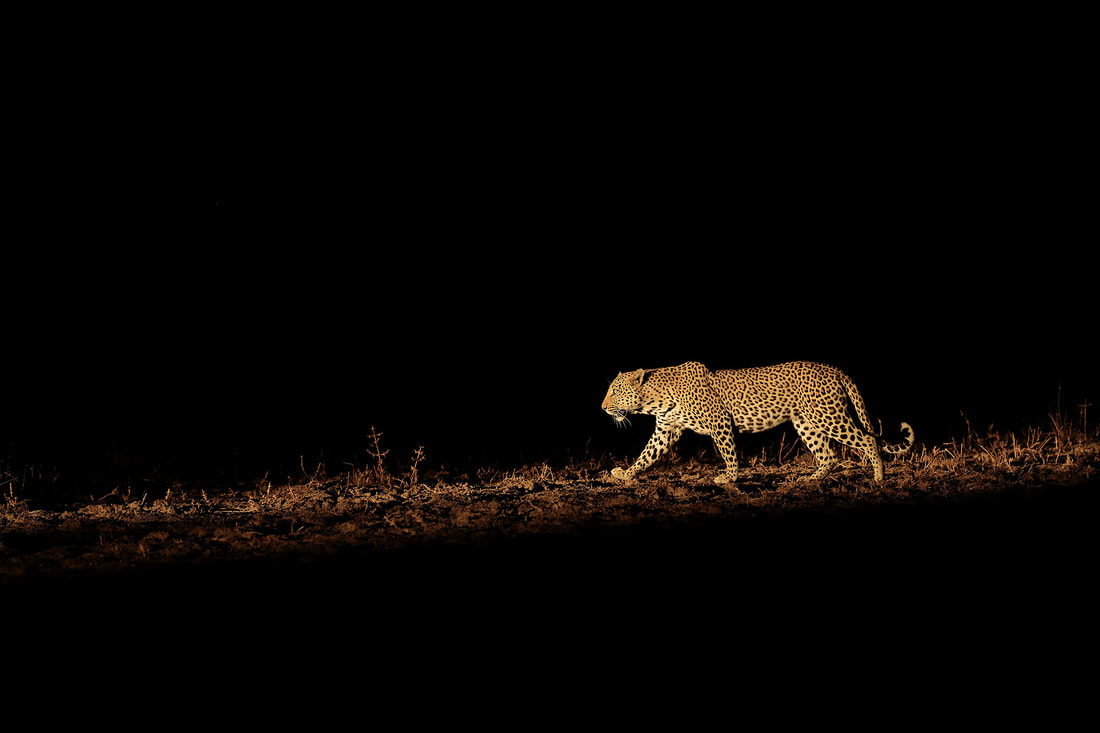 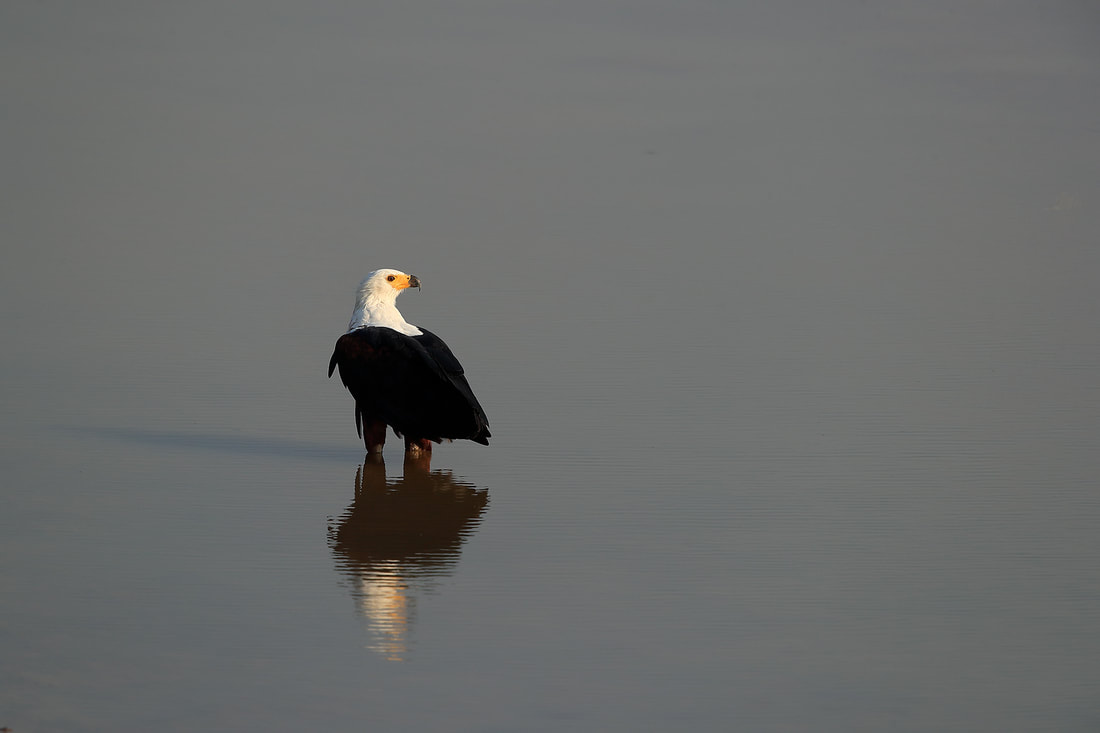 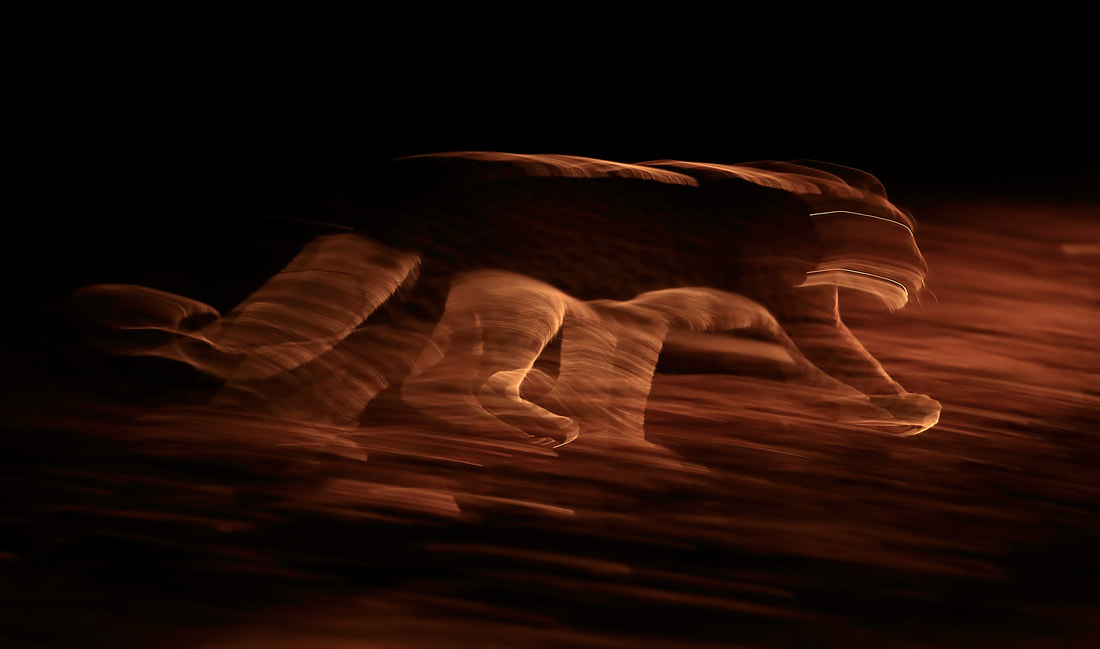 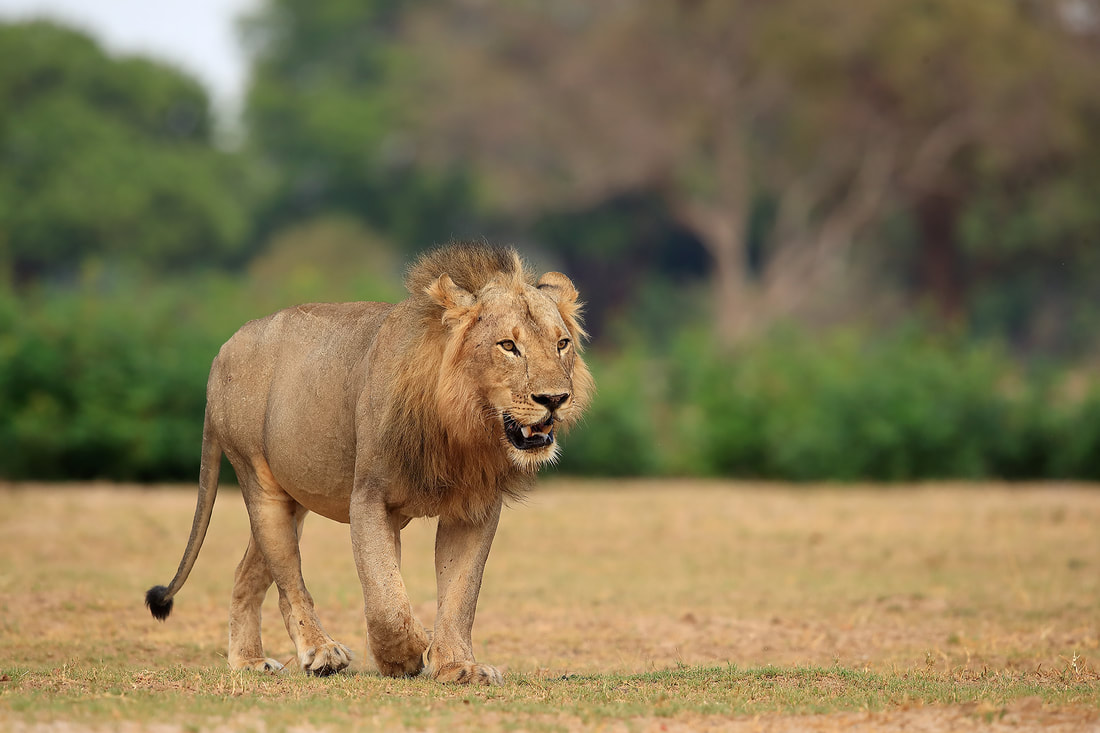 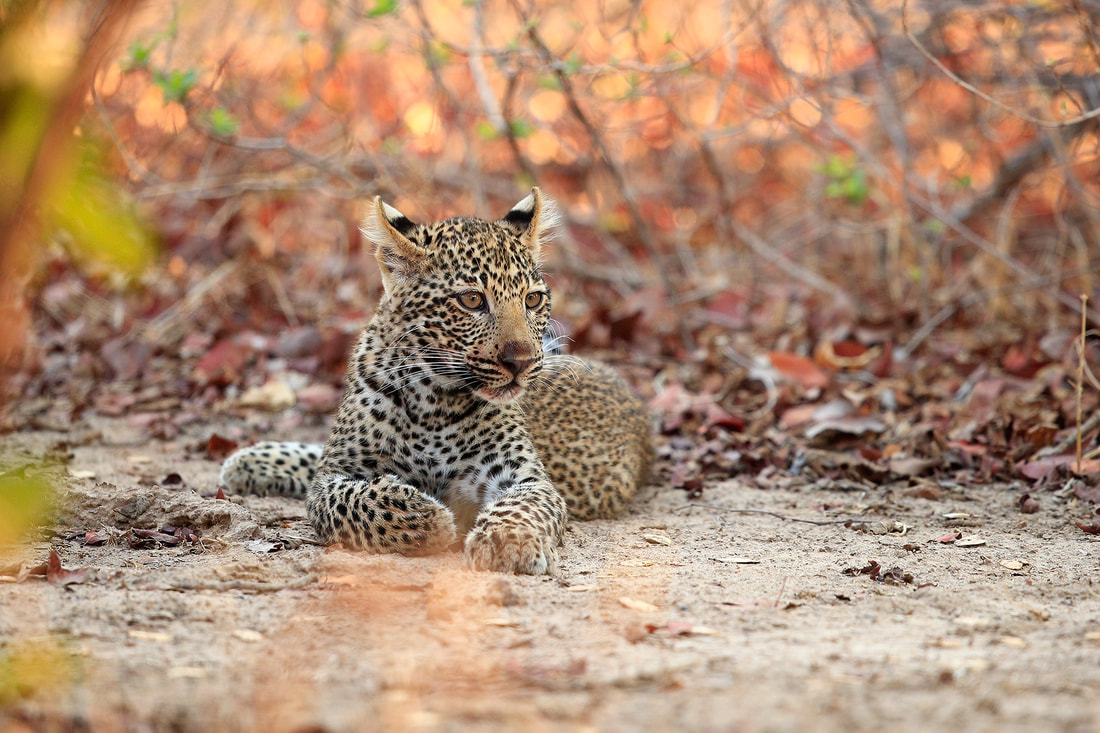 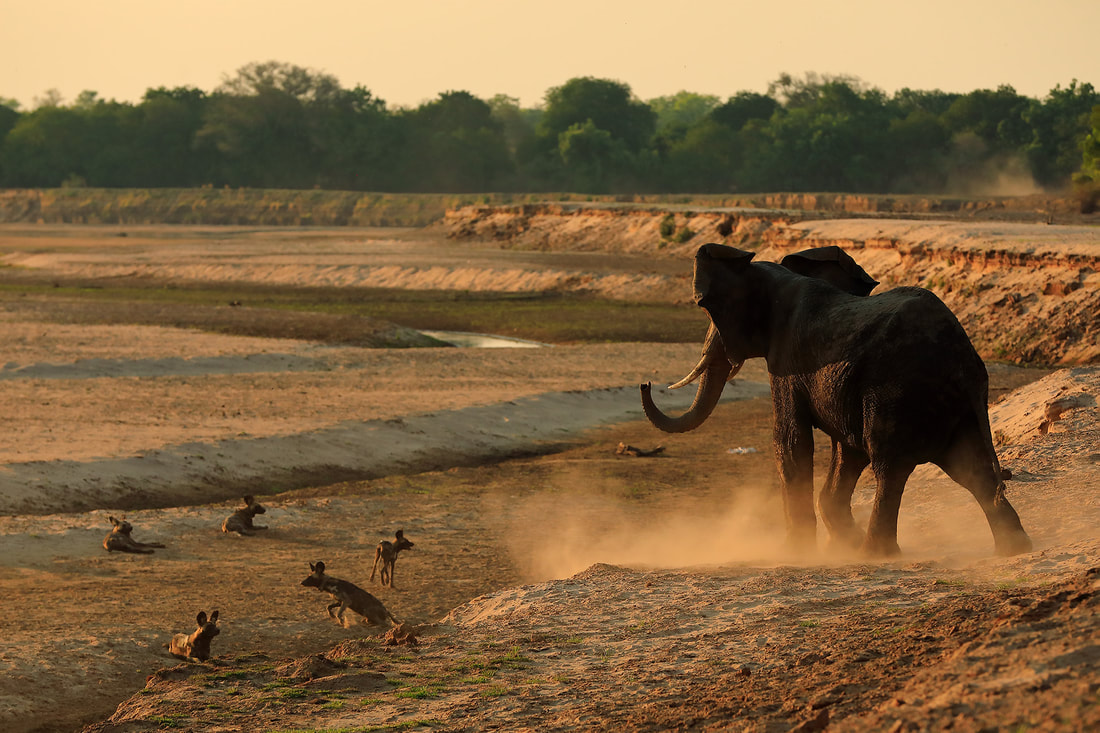 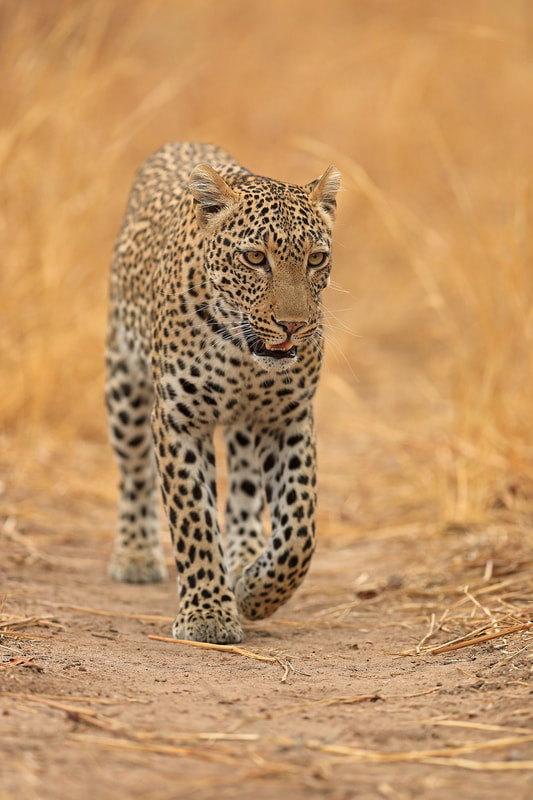 If you would like to join me in Zambia's South Luangwa with Wildlife Worldwide, there are still some spaces available. I will be joined by fellow photographer Sean Weekly, and I will be back for more in 2023.
This year, with travel options limited, I was asked once again by Wildife Worldwide to lead dedicated deer photography workshops in the heart of the New Forest. With permission from Forestry England, I led a number of workshops alongside Ben Sutcliffe. We had some crazy weather, but some great deer encounters with the red deer during the rut. Unlike the deer parks of London, these deer are completely wild and it takes patience to slowly make an approach. The key thing is to ensure that you don't sneak up on them and that they know where you are, while also being aware of the wind direction. Anyway, here are just a few shots from my time in the forest. 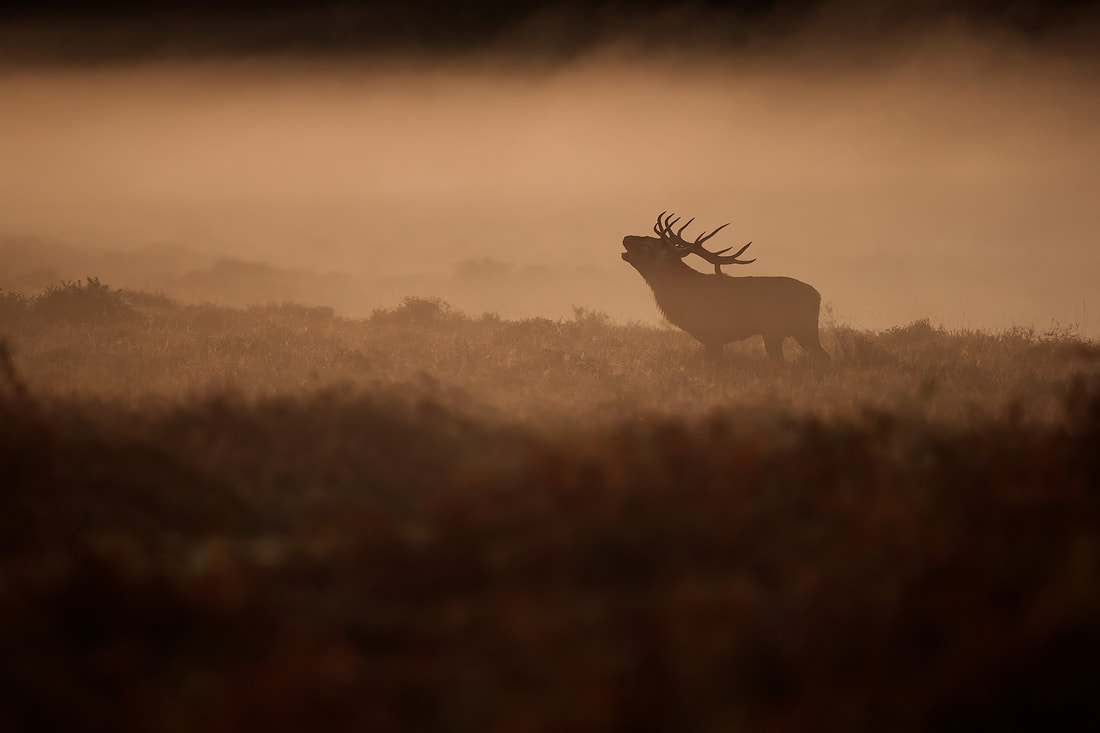 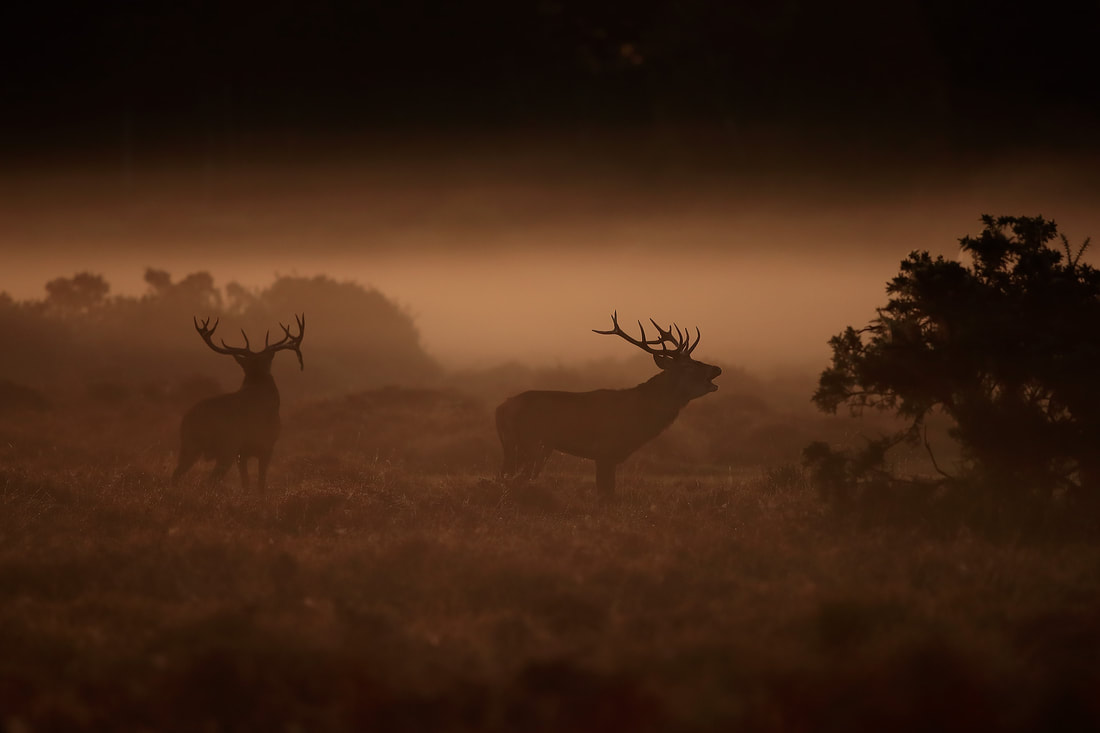 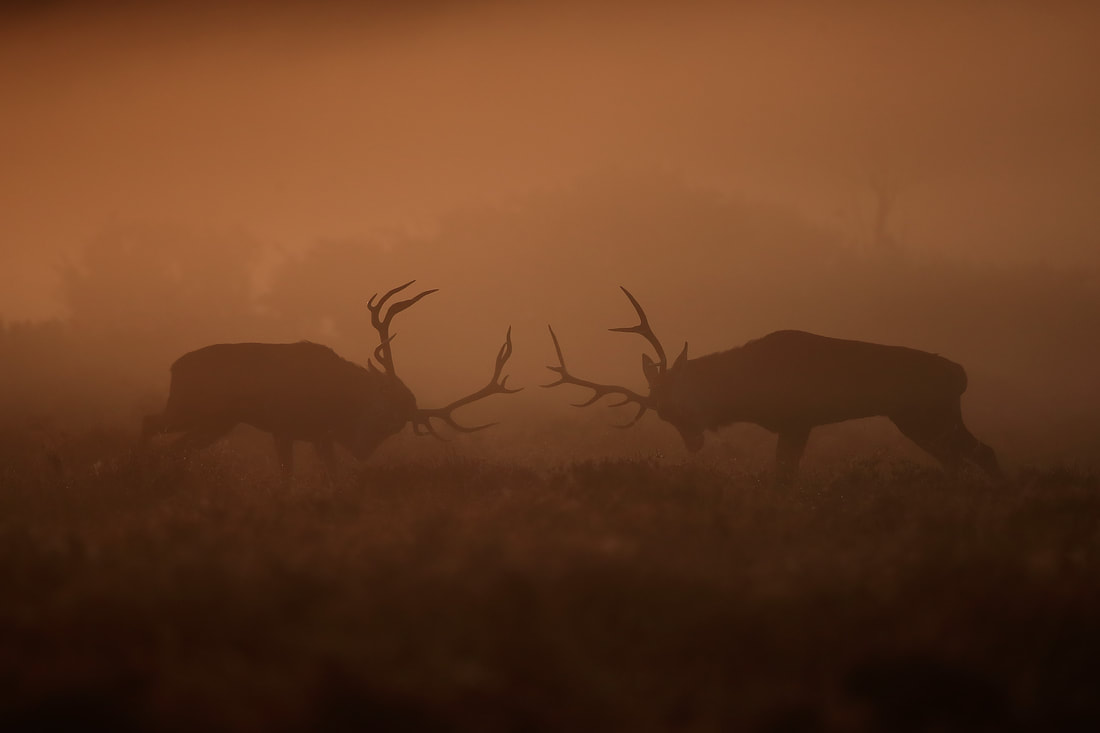 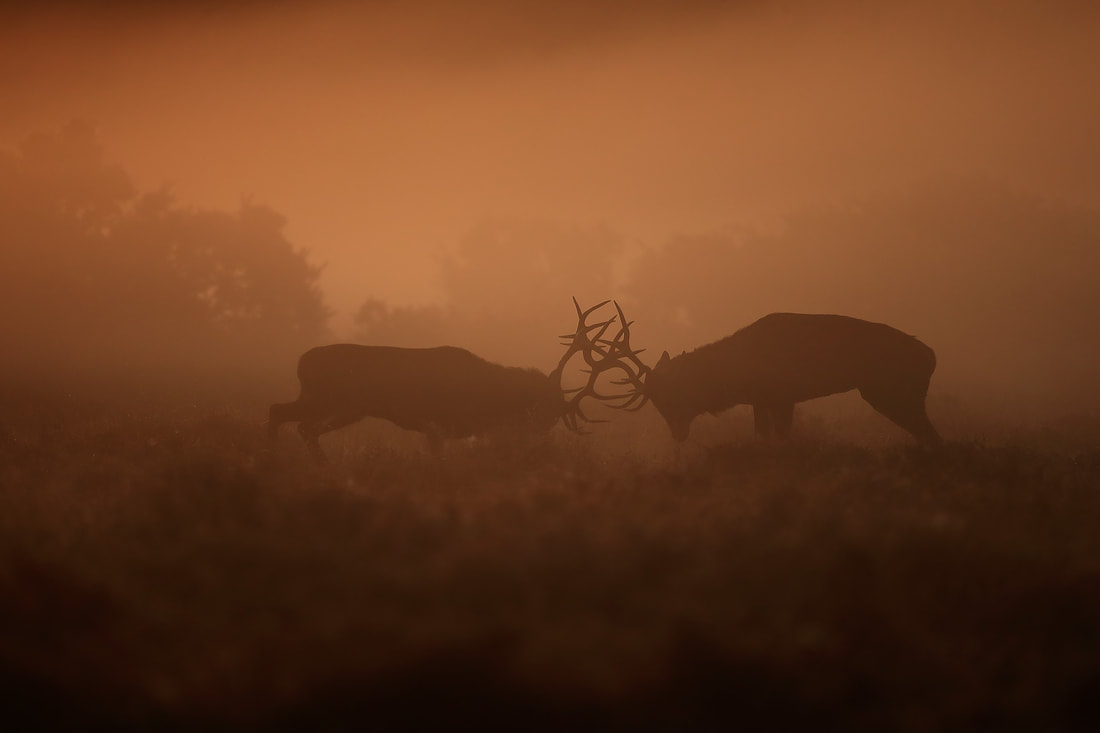 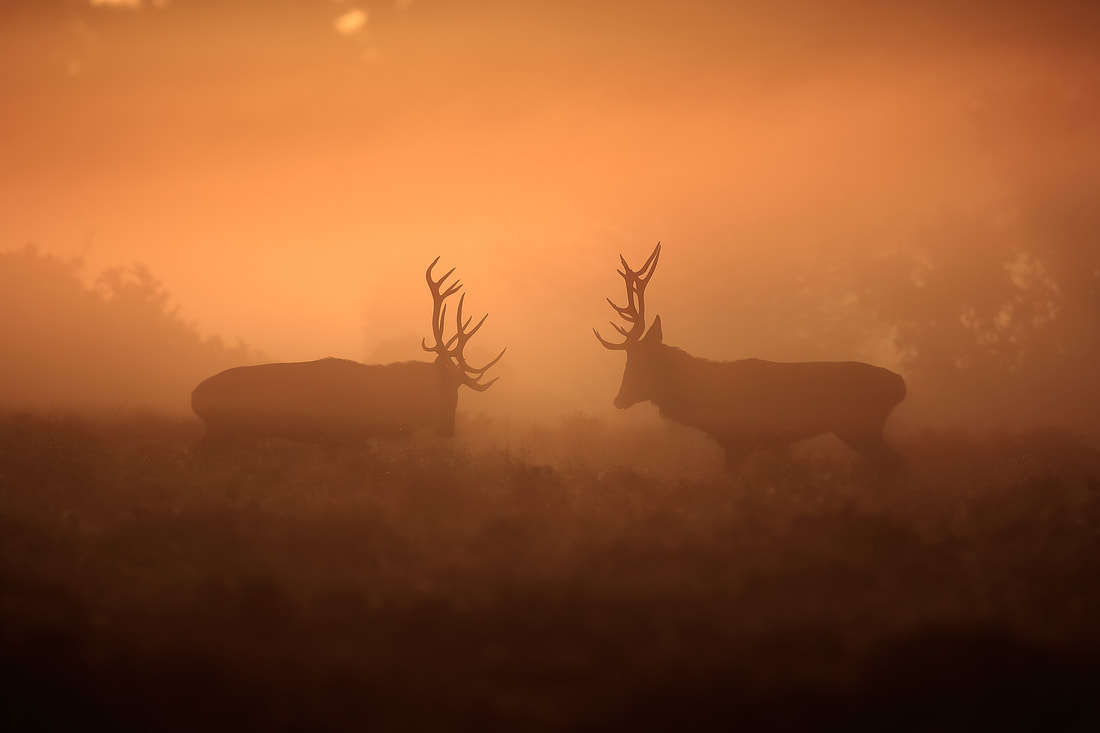 After some incredible misty action, we were treated to incredible evening action too. It is fabulous to witness this behaviour and enjoy the most remarkable lighting - combine that with a mist and you can't really get it any better. 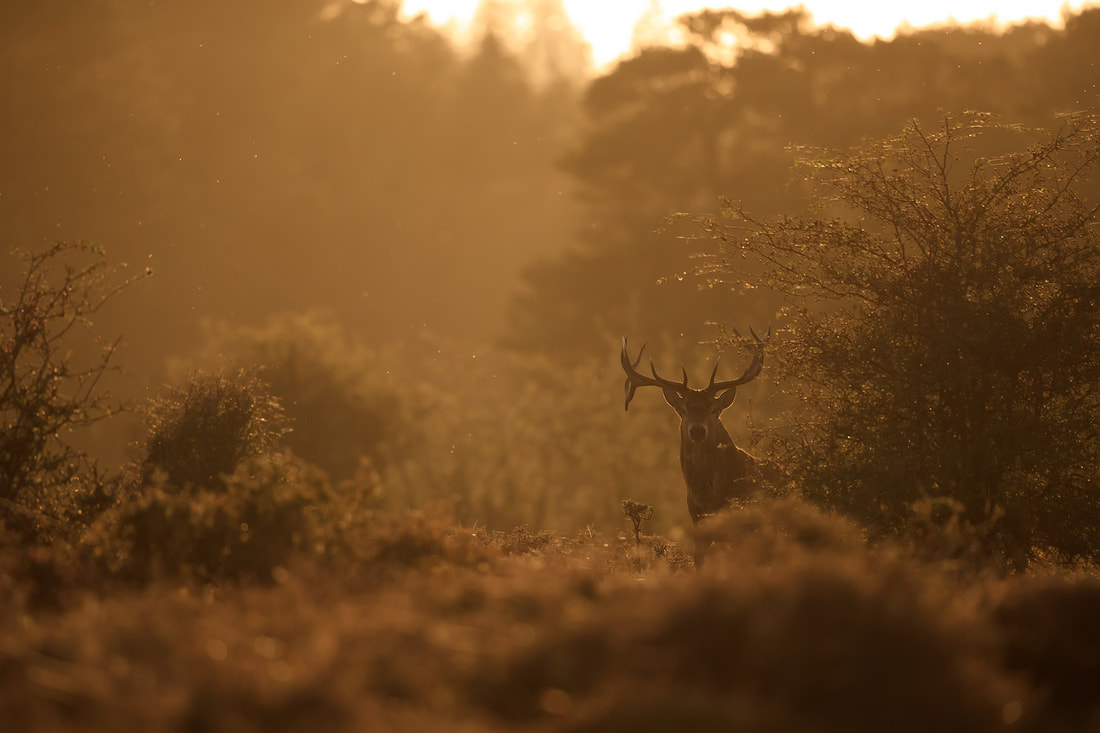 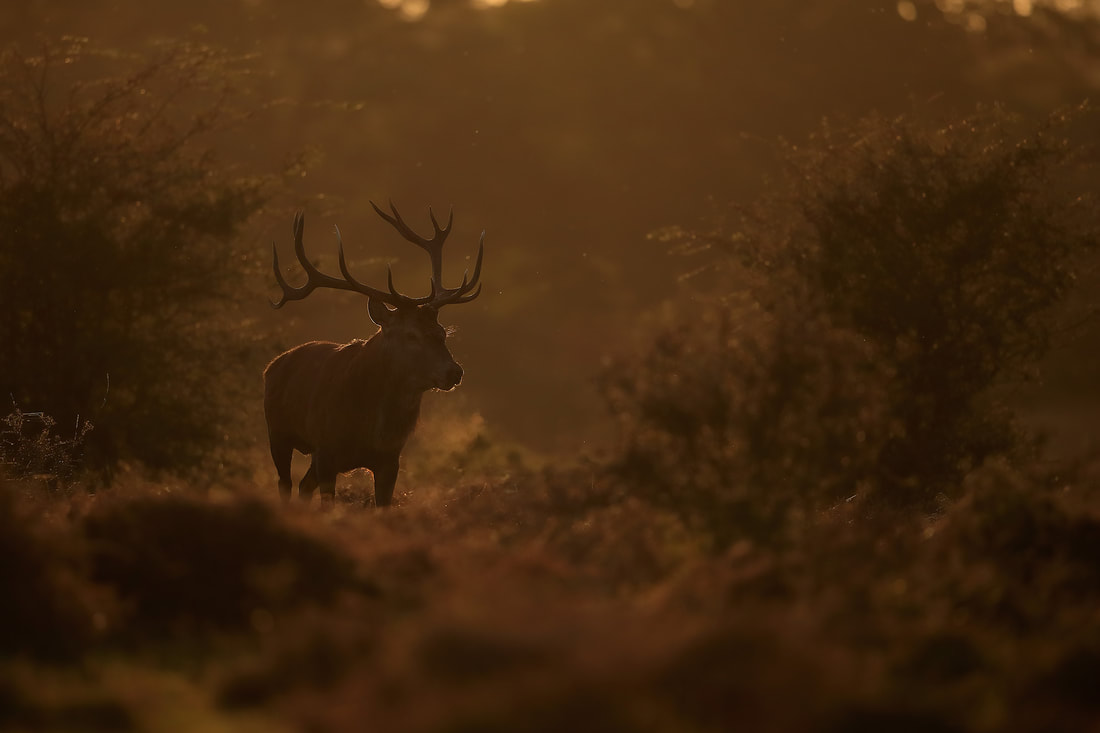 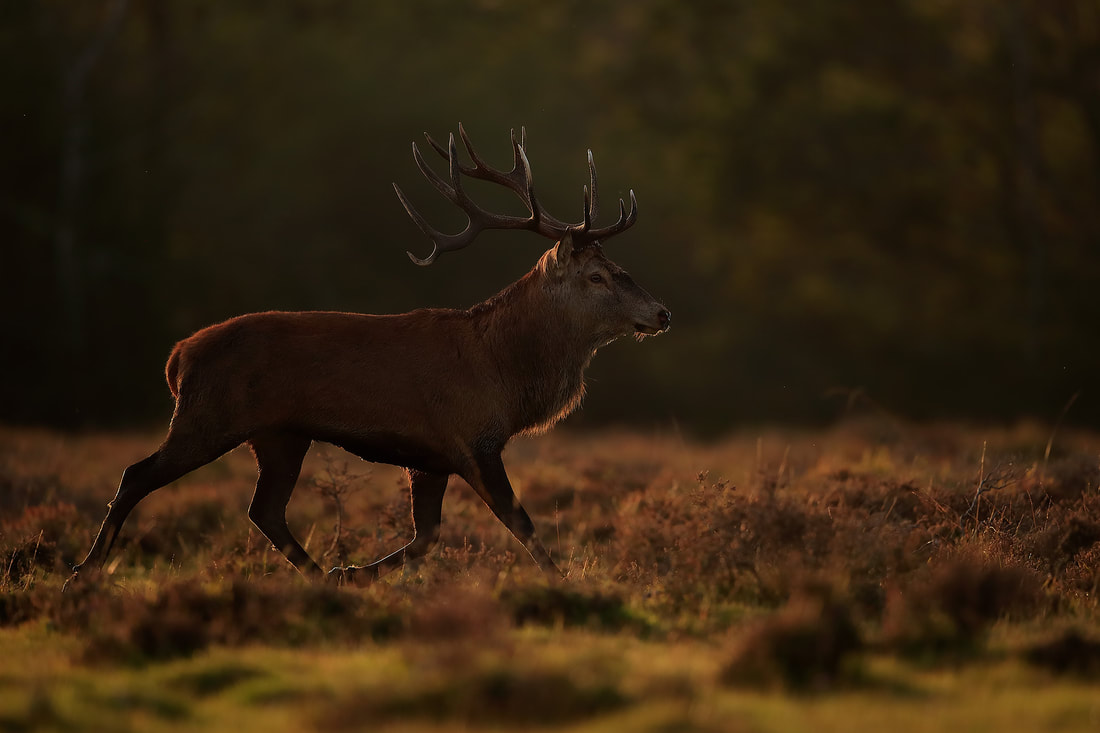 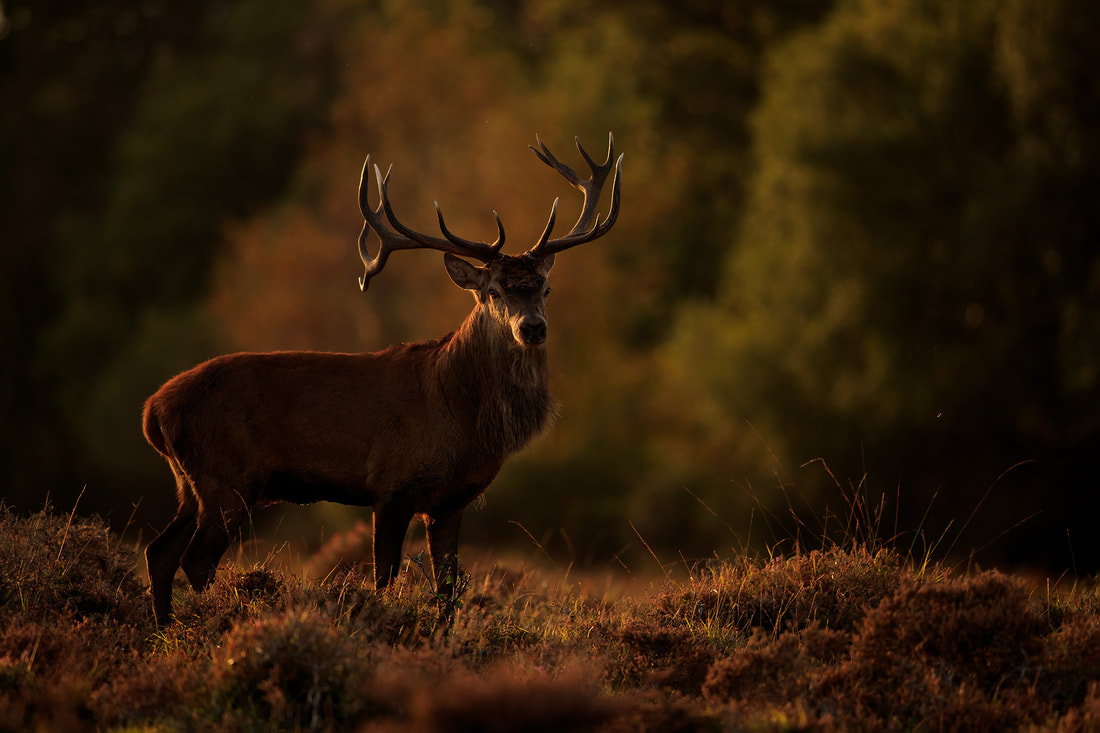 It was an absolute honour to lead a number of workshops and I was delighted for the clients who got some brilliant images.
We hope to run some more workshops in 2022, but it will depend on my availability. Please get in touch if you want to find out more. |